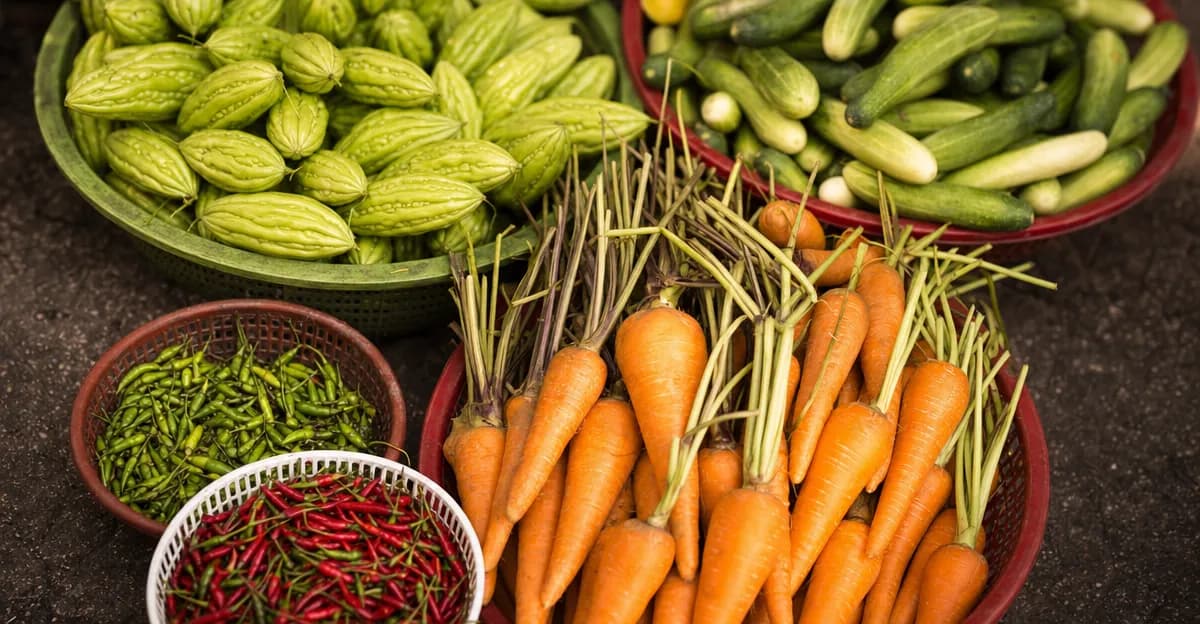
Beginner’s Guide to Growing
Everything you need to start your botanical journey. Whether you’re growing on a windowsill or starting a greenhouse, this guide has you covered.
Choose Your Growing Method
The first decision is how you want to grow. There’s no single best method — it depends on your space, budget, goals, and how much time you can dedicate.
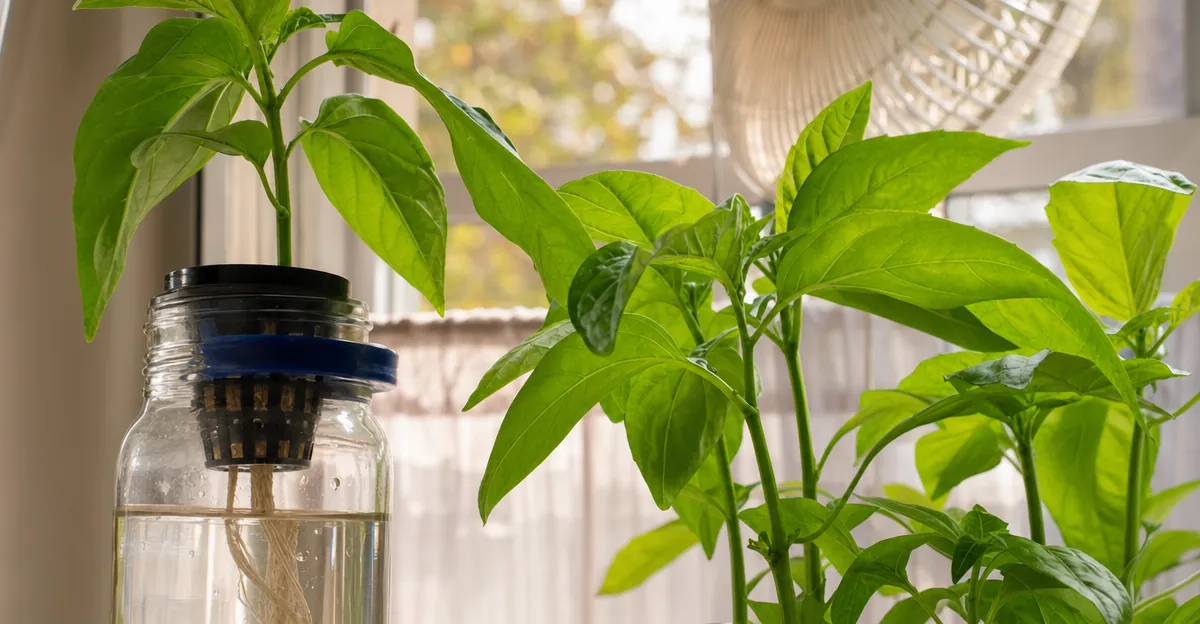
Grow rooms, tents, windowsills - full control over environment
Advantages
- Year-round growing
- Climate control
- Pest protection
- Space efficient
Considerations
- Higher setup cost
- Electricity costs
- Needs grow lights
Best for: Urban botanics, year-round production, controlled experiments
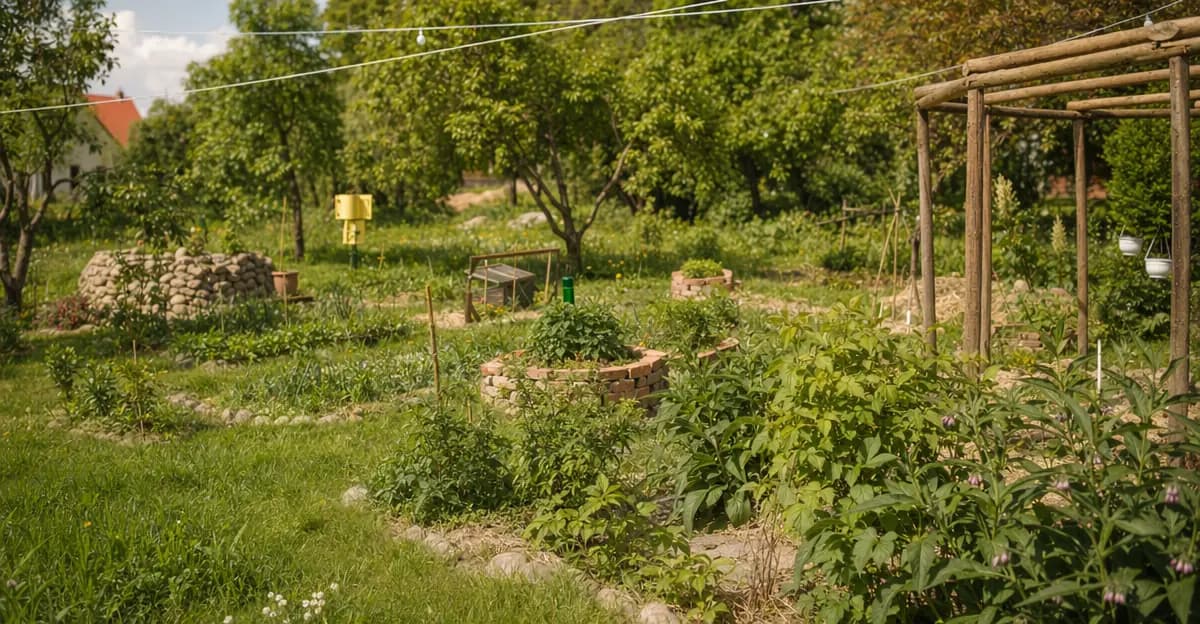
Gardens, farms, raised beds - harness natural sunlight
Advantages
- Free sunlight
- Lower cost
- Natural ecosystem
- Larger scale
Considerations
- Seasonal limitations
- Weather dependent
- Pest exposure
Best for: Large scale, seasonal crops, natural growing
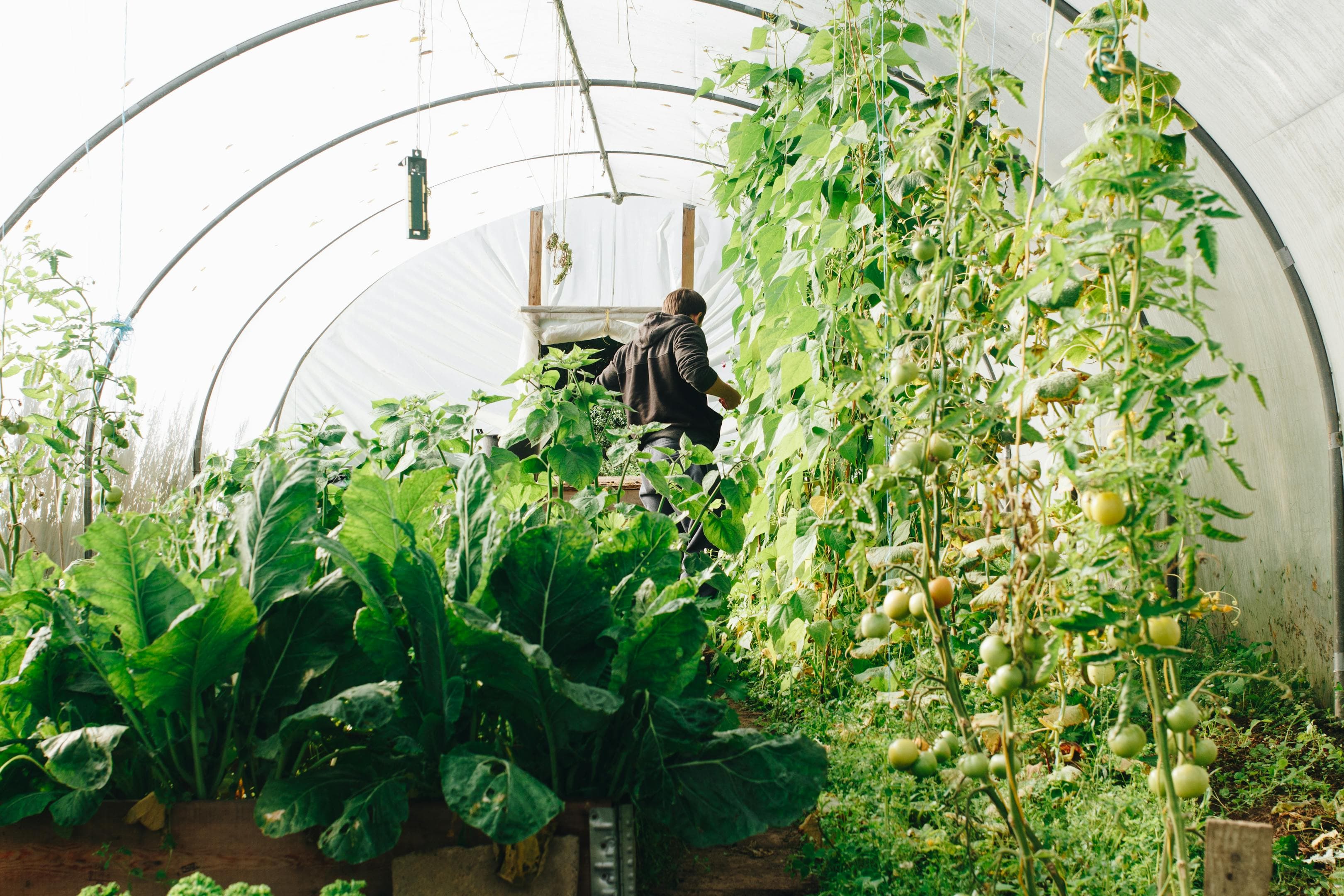
The best of both worlds - natural light with protection
Advantages
- Extended seasons
- Weather protection
- Natural light
- Scalable
Considerations
- Initial investment
- Temperature management
- Space needed
Best for: Serious botanics, commercial operations, sensitive plants
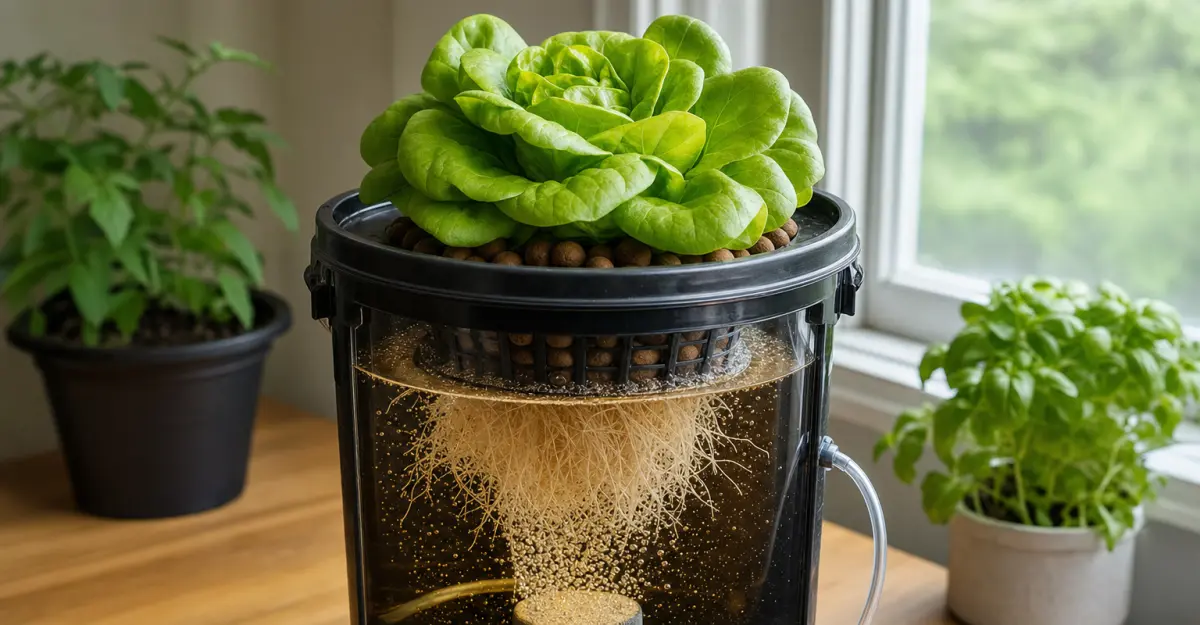
Soil-free growing in nutrient-rich water solutions
Advantages
- Faster growth
- Water efficient
- No soil pests
- Precise control
Considerations
- Technical knowledge
- Equipment needed
- Power dependent
Best for: Tech-savvy botanics, leafy greens, controlled production
Essential Knowledge
Regardless of your growing method, these four fundamentals apply to all plants:
Light
Plants need 6-18 hours of light daily depending on type. Indoor botanics need grow lights; outdoor botanics should understand sun patterns.
Water
Consistent watering is key. Soil should be moist but not waterlogged. Hydroponics requires monitoring water levels and quality.
Nutrients
All plants need N-P-K (Nitrogen, Phosphorus, Potassium) plus micronutrients. Soil provides some; hydroponics requires complete solutions.
Environment
Most plants thrive at 65-80°F (18-27°C) with 40-70% humidity. Temperature extremes stress plants.
Best Plants for Beginners
Start with fast-growing, forgiving plants. These work well across all growing methods:
| Plant | Days to Harvest | Difficulty | Methods |
|---|---|---|---|
| Lettuce | 30-45 | Very Easy | All |
| Basil | 28-35 | Easy | All |
| Tomatoes | 60-85 † | Easy | All |
| Peppers | 60-90 † | Easy | All |
| Spinach | 40-50 | Easy | All |
| Herbs (Mint, Cilantro) | 30-60 | Very Easy | All |
Ranges are days from sowing to first harvest, except tomatoes and peppers (†), shown as days from transplant.
Common Beginner Mistakes
Overwatering
The #1 killer. Let soil dry slightly between waterings. Roots need oxygen too!
Not enough light
Most food plants need 6+ hours direct sun. Indoor? Get proper grow lights.
Starting too big
Begin with 3-5 plants. Learn the basics before scaling up.
Ignoring temperature
Most plants struggle below 60°F or above 85°F. Monitor your environment.
Over-fertilizing
More nutrients ≠ faster growth. Start at half-strength and increase gradually.
Inconsistency
Plants like routine. Erratic watering and feeding causes stress.
Ready to Start Growing?
Use Truleaf to plan your setup, track your plants, and calculate nutrients for any growing method.