How to Grow Saffron: A Practical Guide to Crocus sativus for Home and Small-Scale Growers
Learn how to grow saffron crocus (Crocus sativus) with science-backed guidance on corm selection, planting depth, irrigation, harvest timing, and post-harvest drying.
Saffron is labor intensive, but it is not technically difficult. Most failures come from the same three issues: corms that are too small, poorly drained soil, and mistimed watering. If you get those three right, Crocus sativus can be productive in backyard plots, raised beds, or protected systems.
Why saffron is a high-opportunity crop
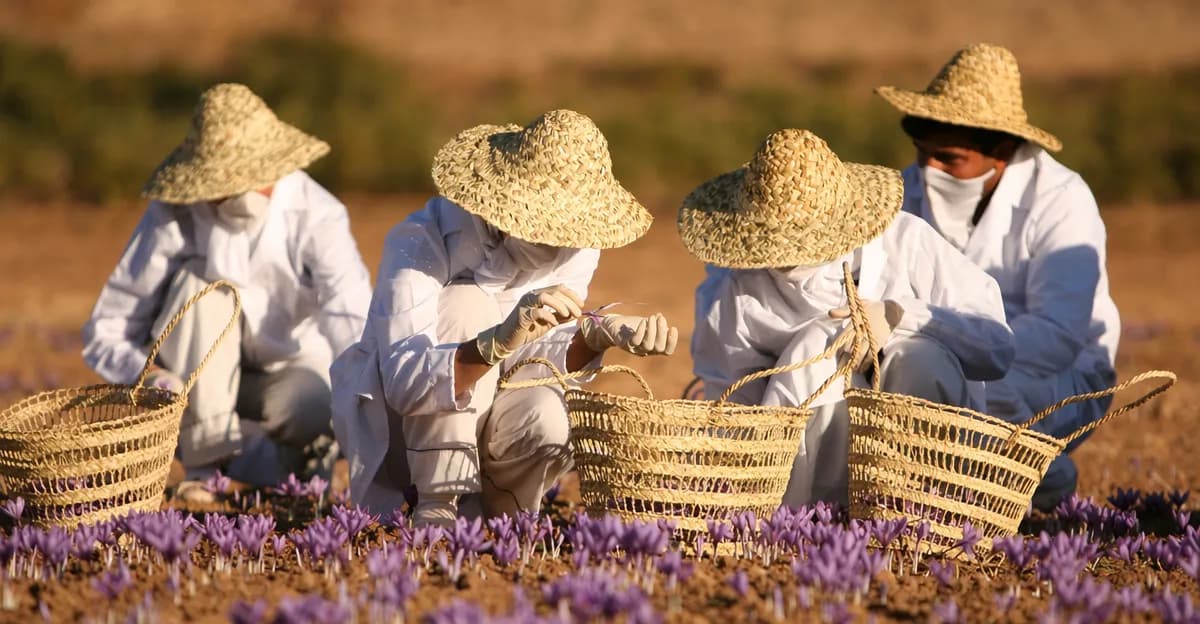
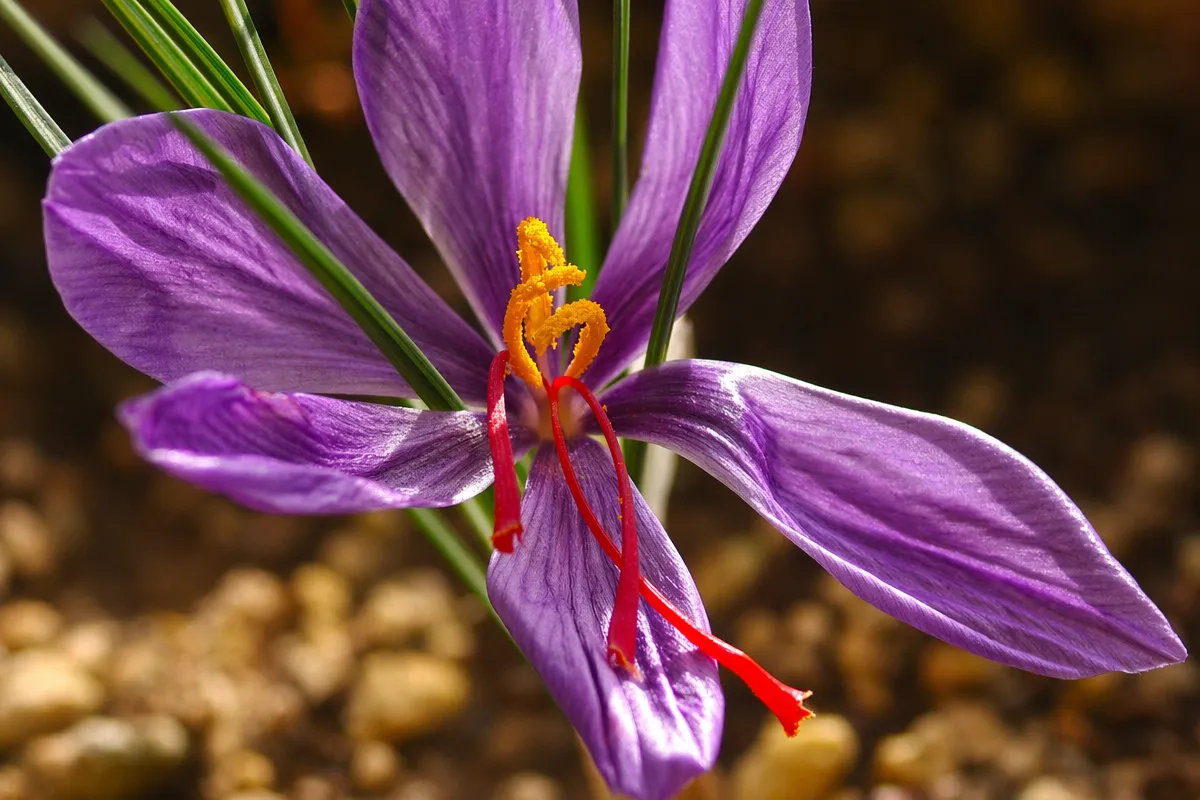
Saffron comes from the red stigmas of Crocus sativus flowers. Each flower gives only three stigmas, and harvest is manual. That is exactly why production quality depends on agronomy discipline more than scale.
Recent agronomy literature continues to show that flower and stigma output are strongly tied to corm size, planting strategy, and water management. In practical terms: treat saffron like a precision bulb crop, not a low-effort ornamental.
1) Start with corm quality, not quantity
Use healthy, disease-free corms from reputable suppliers. Larger corms generally flower more reliably and build stronger daughter corms for the next cycle.
Academic work in field and protected systems consistently reports better yield metrics when initial corm size is adequate and crop establishment is uniform. If budget is limited, reduce area before reducing corm quality.
2) Planting depth and spacing: optimize for your goal
A common beginner question is whether to plant shallow or deep. The answer depends on what you optimize:
- Shallower planting can increase emergence speed and often supports stronger short-term flower yield.
- Deeper planting can change corm replacement dynamics and can improve some quality components in specific systems.
Note: Sources differ on ideal planting depth. Gresta et al. (2009) observed stronger quantitative yield at 10 cm in their system, while other studies in different environments report tradeoffs between shallow and deeper planting depending on whether the target is immediate stigma yield or larger replacement corms over time.
For home and small-scale production, a practical starting range is 8-15 cm depth with moderate density and room for airflow. In greenhouse studies, very high density increases yield per area but can reduce per-plant performance and corm size.
3) Drainage and irrigation matter more than fertilizers early on
Saffron dislikes waterlogged conditions. Well-drained media and controlled irrigation are fundamental.
Research in Scientia Horticulturae reported higher flower and corm performance with lighter soil texture and shorter irrigation interval versus heavier soil and longer interval in the tested setup. For growers, this translates into two rules:
- Keep moisture steady during active growth.
- Avoid saturated substrate and stagnant water.
During dormancy, reduce irrigation substantially to prevent rot pressure.
4) Field vs protected cultivation
Traditional field cultivation can perform well where climate seasonality matches saffron biology. In harsher or less predictable environments, protected production (greenhouse/soilless) can improve consistency.
Recent studies in Frontiers and MDPI showed protected systems can balance flower yield and corm multiplication when density, depth, and fertigation are tuned to the environment. The key is not blindly copying one protocol; it is calibrating management to your local temperature profile and substrate behavior.
5) Harvest timing and post-harvest handling
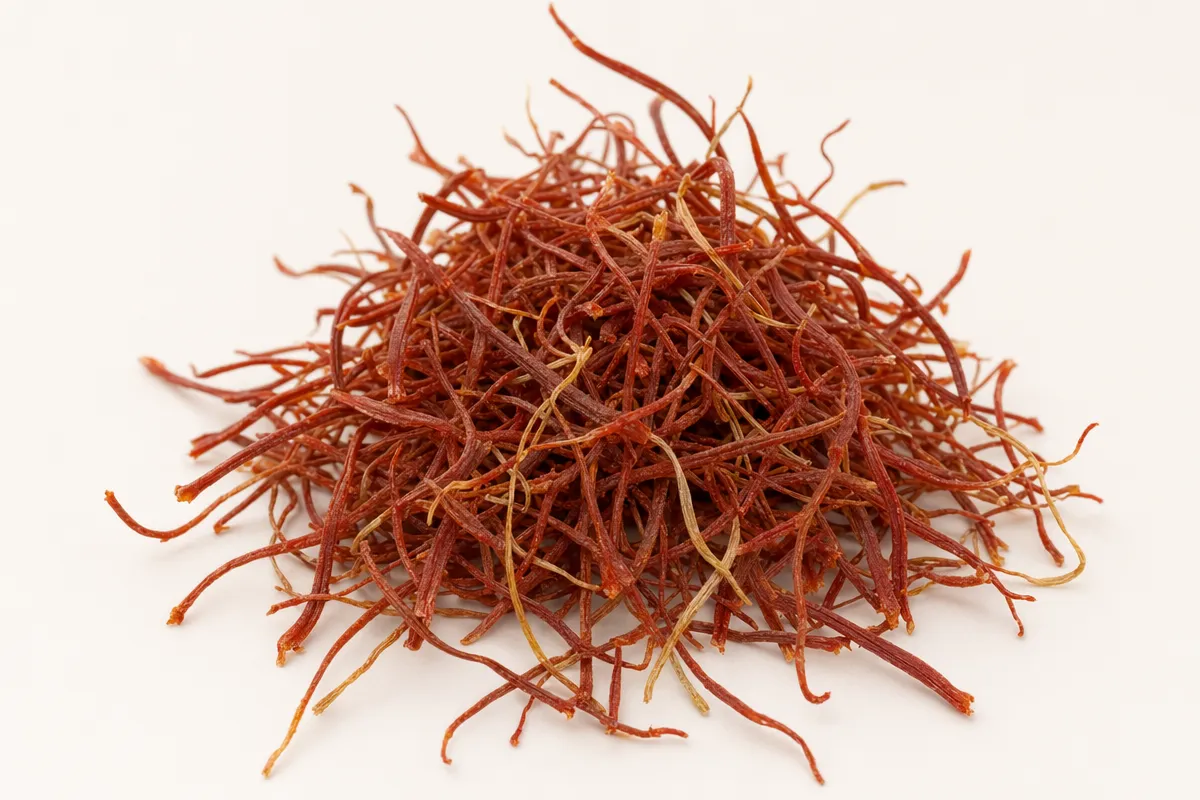
Harvest flowers daily during bloom, preferably the same morning they open. Separate stigmas carefully and dry gently with good airflow and low heat.
RHS guidance also highlights the labor ratio clearly: you need a high number of flowers for a small dry saffron output. Operationally, this means labor planning is part of agronomy planning.
6) Practical setup for first-year growers
If this is your first cycle:
- Choose a sunny, free-draining site or raised bed.
- Plant healthy corms at moderate density and 8-15 cm depth.
- Irrigate consistently in active growth, then taper hard in dormancy.
- Keep records: emergence %, flowers per corm, stigma dry weight, daughter corm size classes.
- Adjust in year two using your own data, not generic internet averages.
That fifth step is where most growers improve quickly. Saffron performance is highly local, so your first season should be treated as a baseline trial.
Final takeaway
Saffron production rewards growers who prioritize corm quality, drainage, and disciplined seasonal watering. The scientific literature is clear on direction even when exact parameters vary by environment: consistent establishment and water management are the highest-leverage controls for better flowering and stronger corm carryover.