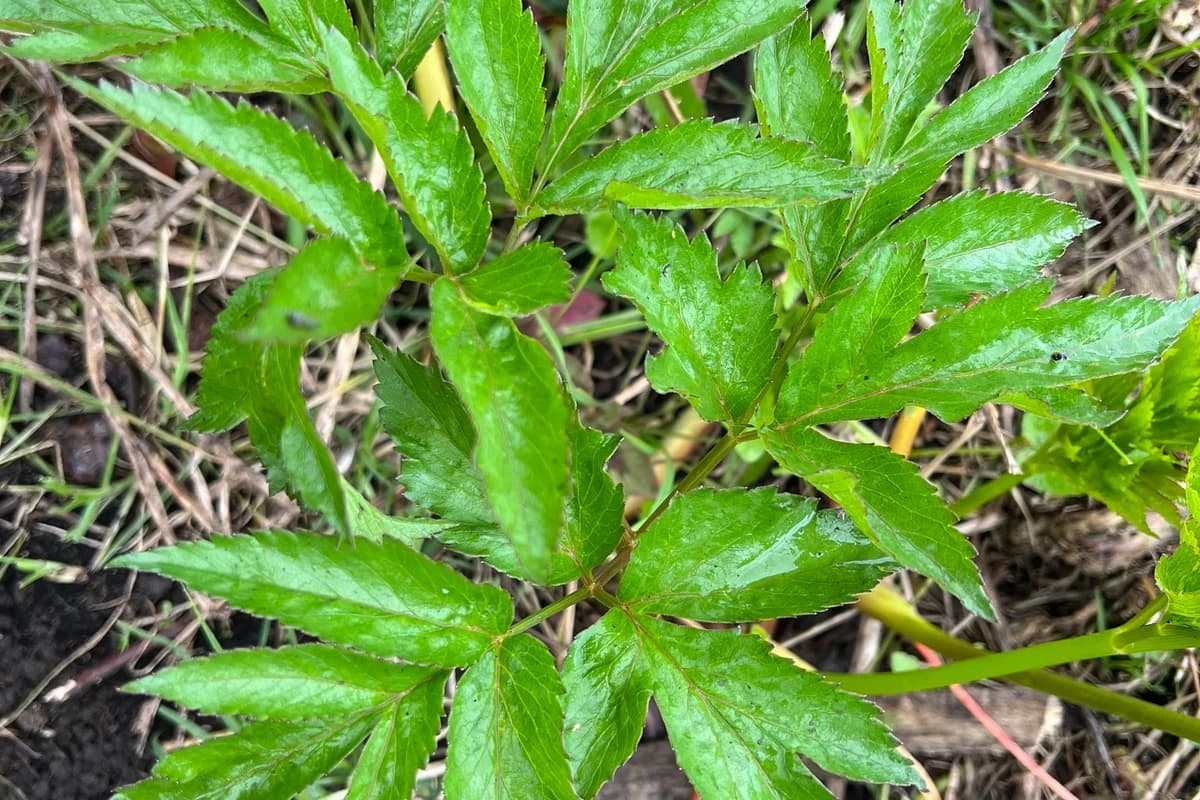
Sobre Esta Planta
A arracacha é uma cultura andina de raiz de clima fresco, aparentada com a cenoura, o aipo e a salsa, cultivada pelas suas raízes de reserva doces e amiláceas, com um sabor frequentemente comparado ao aipo, à castanha e à pastinaca. Necessita de uma estação longa e amena, solo profundo e bem drenado, azoto moderado e manuseamento cuidadoso na colheita, porque as raízes feridas são altamente vulneráveis à podridão mole bacteriana.
Como Cultivar Arracacha
Aprenda a cultivar Arracacha da semente à colheita em 365 dias. Dificuldade Intermediate. Guia completo de nutrientes, requisitos de pH/EC e condições de cultivo para solo e vaso.
Suportado por 15 citações revistas por pares.
Requisitos de Nutrientes por Fase de Crescimento
A nutrição deve ser contida e orientada para culturas de raiz. Um estudo de omissão de 270 dias verificou que o stress por macronutrientes se classificou como N > Ca > S > P > Mg > K, tornando o azoto e o cálcio os nutrientes mais críticos, enquanto o excesso de azoto pode favorecer a parte aérea em detrimento das…
Iniciar sessão para ver requisitos de nutrientes
Uma conta gratuita desbloqueia as metas de NPK das quatro fases de crescimento, os níveis de micronutrientes, uma calculadora de nutrientes por fase e o guia de nutrição completo. Criar a conta leva apenas um clique. O Truleaf é um projeto gratuito e sem fins lucrativos, e cada nova conta ajuda-nos a crescer. Sem spam, nunca.
Ambientes de Cultivo
A mandioquinha-salsa é sobretudo uma cultura de campo de exterior de terras altas tropicais ou de clima ameno. Pode funcionar em estufas quando são necessárias temperaturas frescas e uma estação longa sem geadas, mas a produção em interior é impraticável para raízes de reserva porque as plantas precisam de muita luz,…
Temperatura
A mandioquinha-salsa é uma cultura tropical de altitude e clima fresco para produção de raízes. O crescimento é melhor por volta de 14-21C, com um centro prático perto de 17.5C, e as fontes convergem numa tolerância ampla de cerca de 10-28C. A Embrapa descreve a melhor produção em regiões brasileiras de altitude elevada e clima ameno, enquanto referências andinas situam a cultura principalmente entre 600 e 3500 m de altitude. O calor é o maior risco: raízes quentes favorecem a podridão mole bacteriana, e temperaturas sustentadas acima dos meados dos 20s C reduzem a qualidade das raízes de reserva.
Humidade
Nenhum artigo controlado sobre mandioquinha-salsa define um ótimo exato de humidade relativa, pelo que o intervalo anterior de 82-87.5% foi tratado como dados de clima regional e não como uma exigência estrita. As zonas de produção colombianas e andinas são húmidas, mas a Cultivariable também relata tolerância…
Luz
A mandioquinha-salsa é frequentemente descrita como razoavelmente tolerante à sombra, mas estudos de campo mostram que o rendimento melhora quando a interceção de radiação pelo coberto aumenta. Um estudo de fotossíntese relatou elevada saturação luminosa em cultivares cultivadas no campo, pelo que deve evitar-se luz…
Circulação de Ar
Não foram encontrados ensaios específicos sobre fluxo de ar em mandioquinha-salsa. Por isso, o guia usa o fluxo de ar padrão em cultura protegida apenas como prevenção de doenças: movimento suave do coberto, em torno de 0.3-1.0 m/s, ajuda a reduzir ar estagnado e saturado sem secar excessivamente a cultura…
Iniciar sessão para ver requisitos ambientais
Uma conta gratuita desbloqueia os valores exactos de temperatura, humidade, luz e ventilação, incluindo intervalos de germinação e crescimento, DLI, fotoperíodo e PPFD, além do guia de ambiente completo. Criar a conta leva apenas um clique. O Truleaf é um projeto gratuito e sem fins lucrativos, e cada nova conta ajuda-nos a crescer. Sem spam, nunca.
Compatibilidade com Sistemas Hidropónicos
A cultura tradicional em solo é o único sistema bem verificado. Para uso sem solo, canteiros profundos de substrato com rega gota-a-gota são a opção mais plausível porque proporcionam volume radicular, arejamento e drenagem…
Substratos
Use um franco-arenoso profundo, solto e bem drenado como meio preferido. Várias fontes situam o pH adequado em cerca de 5.0-6.0, com tolerância aproximadamente de 4.5-6.5…
Vasos
A produção em recipientes é desaconselhada para raízes de colheita, mas, se usada para ensaios ou propagação, os recipientes devem ter pelo menos 40 cm de profundidade e largura, com excelente drenagem. As raízes de reserva podem atingir 5-25 cm de comprimento e formar-se em cachos em torno de uma coroa central, pelo…
Condução e Suporte
Não é necessário qualquer sistema de tutoragem, condução em latada ou poda. A arracacha forma uma coroa herbácea autossustentada, com folhas grandes semelhantes às do aipo, e atinge normalmente cerca de 60-100 cm de altura…
Iniciar sessão para ver compatibilidade de sistemas
Uma conta gratuita desbloqueia porque cada um dos seis sistemas funciona ou não, além de substratos, tamanhos de vaso, métodos de condução, plantas companheiras e o guia de sistemas completo. Criar a conta leva apenas um clique. O Truleaf é um projeto gratuito e sem fins lucrativos, e cada nova conta ajuda-nos a crescer. Sem spam, nunca.
Propagação
A mandioquinha-salsa é propagada principalmente por divisão de rebentos ou pequenos cormos provenientes da coroa. Os produtores aparavam os rebentos até gemas viáveis, cicatrizam ou secam brevemente as superfícies cortadas e depois fazem-nos enraizar antes do transplante para o campo…
Colheita
A colheita é normalmente uma operação da planta inteira quando a folhagem amarelece e a produção de novos rebentos abranda, geralmente 10-13 meses após a plantação. Algumas cultivares brasileiras podem terminar mais cedo, enquanto os tipos tradicionais de terras altas podem demorar mais…
Calendário de Plantação
Em calendários de zonas temperadas do hemisfério norte, inicie os rebentos no interior por volta de fevereiro, transplante depois de os aclimatar em março-abril, e colha do fim do outono até ao inverno após cerca de 10-13 meses. Nas terras altas tropicais, a plantação está frequentemente ligada à estação das chuvas ou…
Problemas Comuns
O problema verificado mais grave é a podridão mole bacteriana causada por Erwinia/Pectobacterium/Dickeya chrysanthemi, associada localmente a perdas rápidas no verão em raízes feridas. Também são referidos complexos de podridão do cormo envolvendo Fusarium, Rhizoctonia, Phytophthora e nemátodes, pelo que material de…
Aceda ao guia completo baseado em ciência
Ao registar-se, ajuda a manter o Truleaf gratuito e apoia o crescimento do nosso projeto sem fins lucrativos. A sua conta desbloqueia todos os detalhes de cada problema das plantas—incluindo sintomas, causas, soluções passo a passo e prevenção—além do calendário de plantação mês a mês, do guia completo e de todas as fontes de investigação. Basta um clique. Sem spam, nunca.