Truleaf has joined Claude Startups, Anthropic's program for early-stage companies building with Claude, and is now supported by Anthropic.
We will put that support into Kwáu, the software engine behind Truleaf's research work, and into the research we are doing jointly with academic researchers in plant science and crop protection.
Supported by
Two sides of Truleaf
Most people know Truleaf through its free resources: plant profiles, growing guides and tools such as nutrient calculators, published in seven languages. More than 10,000 people now use them. That side is the nonprofit at the heart of Truleaf, and it stays free.
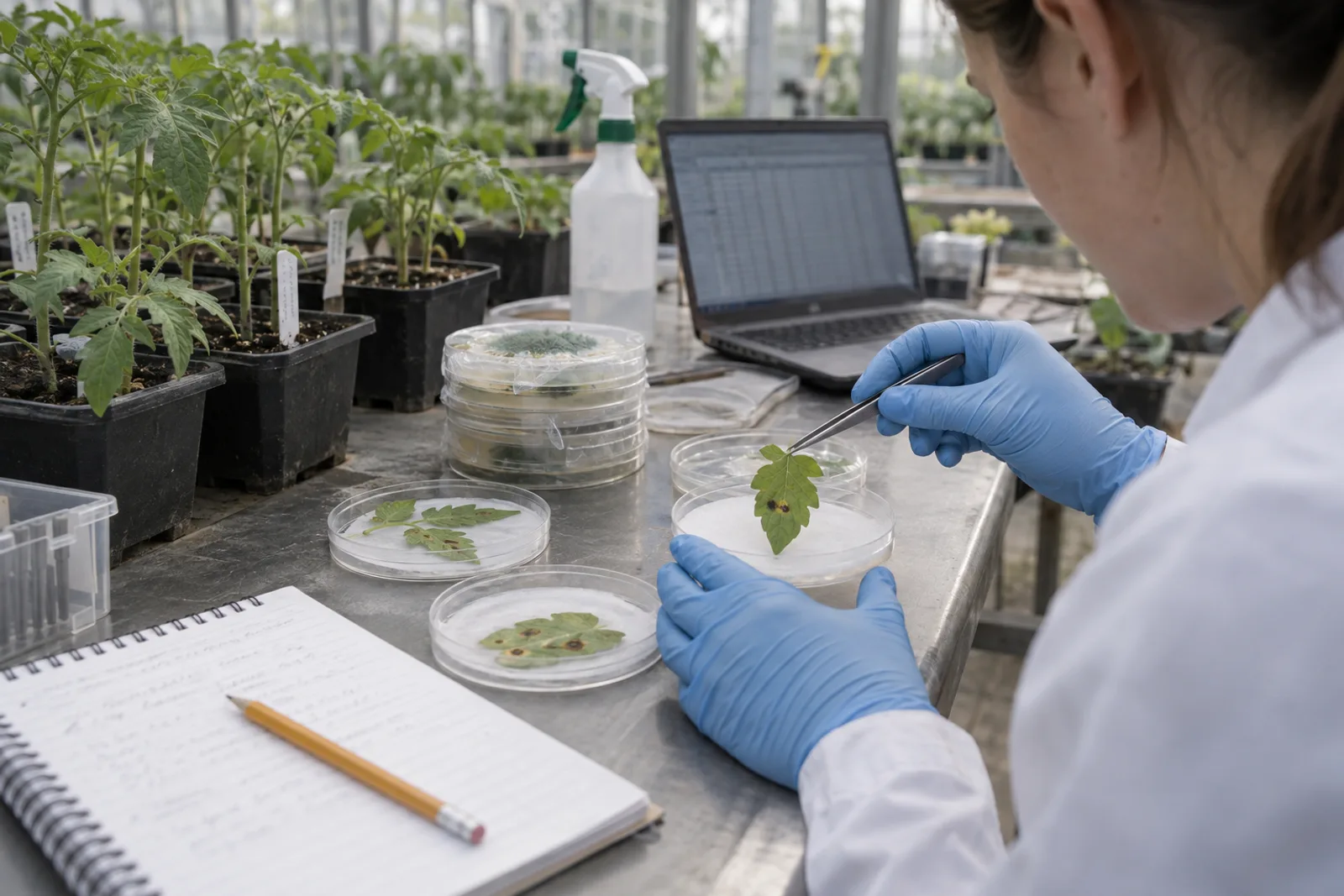
The other side is research. Plant science has a large and fast-growing literature, and the evidence on any one question is spread across thousands of papers, crops, climates and methods. Kwáu is the platform we are building so researchers can design and run AI-enabled research workflows on that literature, with the sources kept in view.
What Kwáu does
Kwáu is our software engine for AI-enabled research, built for R&D teams and academic groups. A team turns its research process into reproducible agentic workflows: which sources to search, what to extract, how to compare results, which checks to run and where a scientist reviews the work. AI agents then carry out each step, searching, extracting, comparing and challenging the evidence.
Researchers stay in control while a workflow runs. They can review any step, change course midway and continue from there without starting over. Provenance is native: every finding carries a record of the source it came from and the step that produced it. Because the workflows are reproducible, a team can rerun one, show a colleague exactly how a result was reached, or apply it to the next question.
Our first workflows are in biological crop protection. Ask how a biological control agent performs against a pest in a given crop, and the workflow finds the relevant studies, extracts comparable results and organises them by the conditions under which they were measured: temperature, humidity, formulation, application method, life stage of the pest. It also shows where the literature has no data at all. R&D teams often spend months on that kind of review before they can decide where to run the next field trial.
Why Claude Startups matters to us
Kwáu runs on Claude. A single workflow run can involve reading and extracting data from hundreds of papers, and every step has to hold up when a scientist checks it.
Anthropic's support lets us move faster on the problems that matter most in research software: keeping every claim traceable to a source, handling disagreement between studies honestly and catching errors before a researcher sees them. It also means we can build and test more research workflows with the researchers we work with.
Working jointly with academic researchers
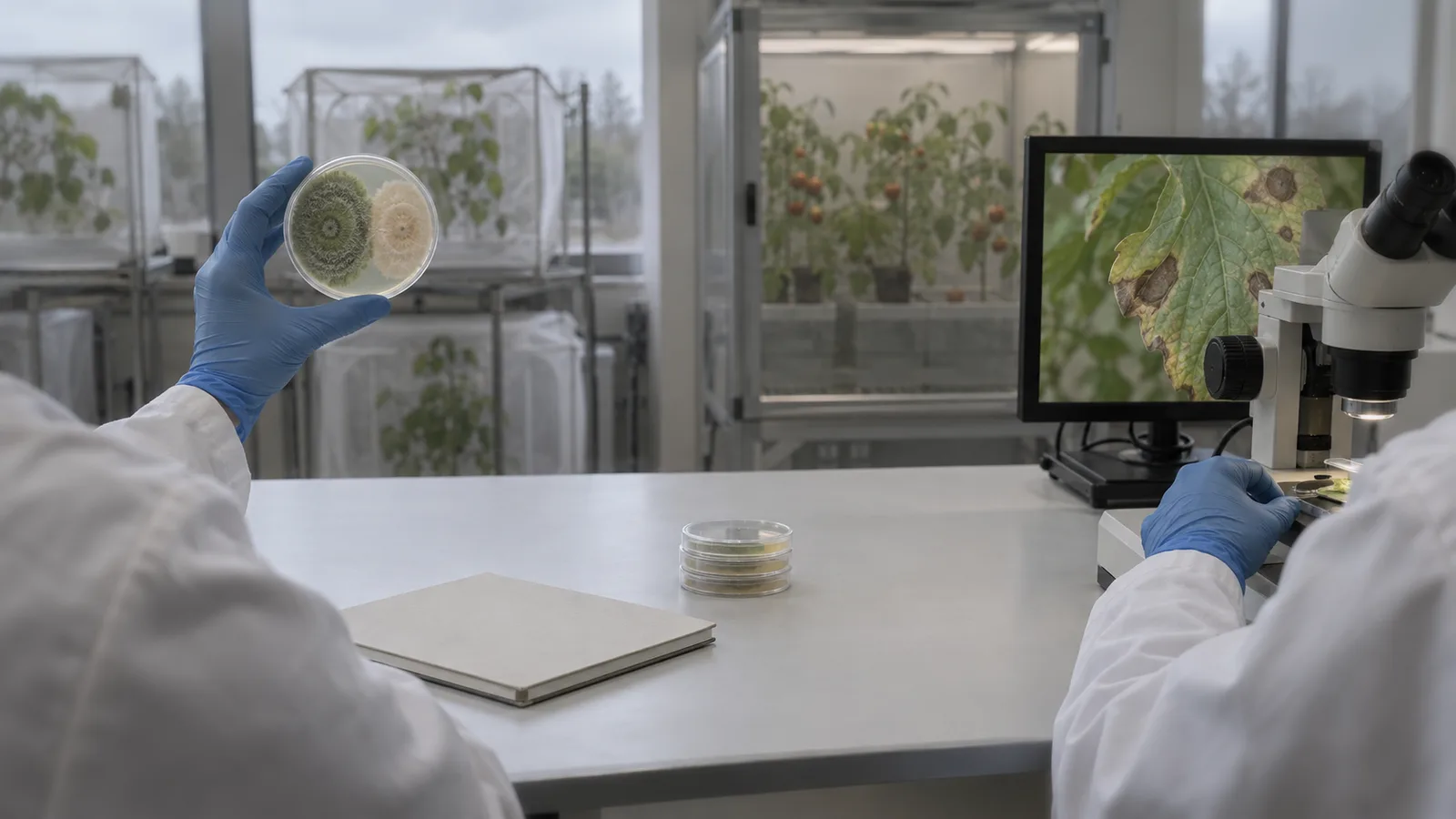
We are working jointly with academic researchers on questions in plant science and crop protection. They bring the questions, the methods and the judgment about what a result means. We bring Kwáu and the engineering time to change it based on what they find.
That arrangement keeps us honest. People who review evidence for a living notice quickly when a synthesis glosses over a difference in method or quietly drops a contradictory study. Each of those catches becomes a change in how Kwáu works.
The goal is evidence that supports decisions. For a research group, that might mean deciding which hypothesis is worth testing. For an R&D team, it might mean choosing which candidate agent to take into field trials, or where the published evidence is too thin to rely on.
The work is in progress, and we will name the researchers and institutions involved once they have agreed to it. We will share results when there are results to share.
What comes next
With Anthropic's support in place, our next step is to turn Kwáu's first workflow into something a research team can test against its current process, with a clear standard for what a useful result looks like.
If you lead an R&D team in crop protection or plant science, we would like to run Kwáu on a question you are working on. If you invest in agriculture, life sciences or research software, we would be glad to tell you where Kwáu is today and where it is going.
Explore Kwáu and get in touch.
And if you came to Truleaf for growing advice, thank you. That part of Truleaf is not changing.