Hydroponic Passion Fruit: 5 Steps to Exotic Fruit at Home
Grow passion fruit hydroponically from seed to harvest. Covers system setup, pollination, NPK ratios by growth stage, and how to get fruit in under 18 months.
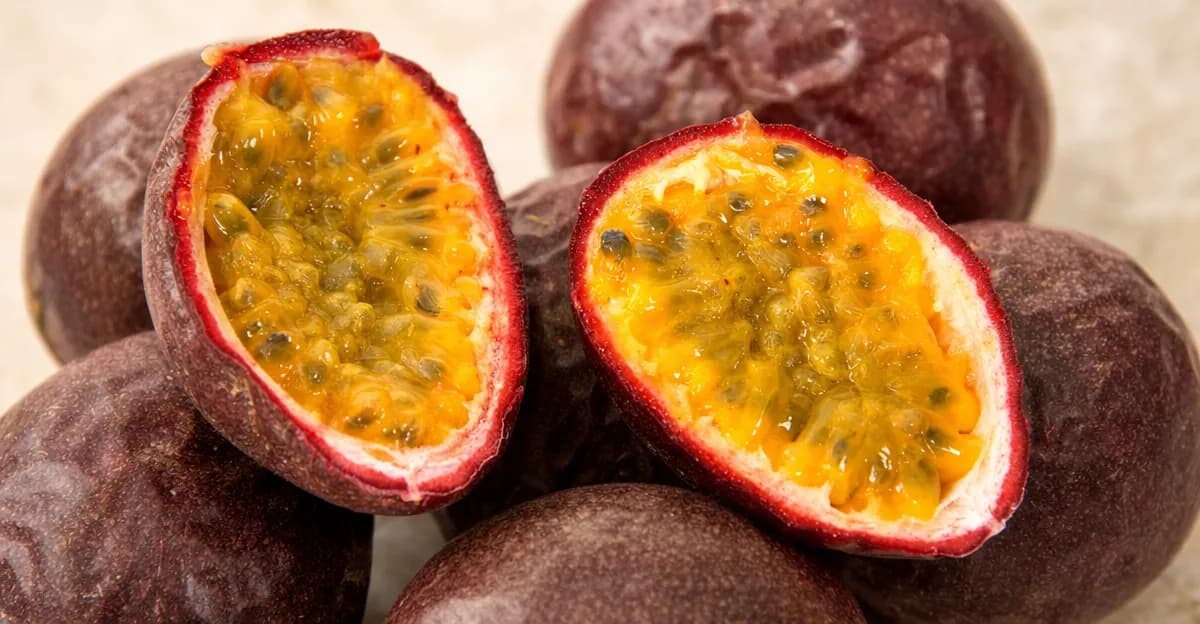
Key takeaway: Passion fruit (Passiflora edulis) is one of the most rewarding tropical vines you can grow hydroponically. A 2022 study on soilless passion fruit cultivation found that an EC of 2.0 dS/m and pH of 4–5 produced optimal fruit quality — parameters that are easy to dial in with a standard hydroponic setup. A single vine yields 2–7 kg (5–15 lbs) of fruit in its first year, and with hand pollination and proper trellising, you can grow this tropical crop year-round in a controlled environment. This guide covers everything from seed to harvest, backed by university extension data and peer-reviewed research.
Why Grow Passion Fruit Hydroponically?
Passion fruit is traditionally a field crop in tropical and subtropical regions (USDA zones 9b–11). Growing it hydroponically offers several advantages:
- Climate independence. Frost kills passion fruit vines. Hydroponics in a greenhouse or indoor setup lets you grow this tropical vine anywhere, regardless of your USDA zone.
- Disease avoidance. Fusarium wilt and root-knot nematodes are the two biggest killers of passion fruit in soil. Soilless cultivation eliminates both.
- Precise nutrition. Research shows passion fruit responds strongly to specific nutrient concentrations. A hydroponic system lets you fine-tune EC, pH, and individual nutrients in ways soil cannot match.
- Year-round production. In controlled environments, you can maintain the 27–29°C temperature range that research identifies as optimal for fruit quality, extending your harvest season well beyond what outdoor growing allows.
Nutritional highlights per 100 g of raw purple passion fruit (USDA FoodData Central):
| Nutrient | Amount |
|---|---|
| Calories | 97 kcal |
| Dietary fiber | 10.4 g (42% DV) |
| Vitamin A | 64 µg RAE (1,272 IU) |
| Vitamin C | 30 mg (33% DV) |
| Potassium | 348 mg |
| Iron | 1.6 mg |
| Magnesium | 29 mg |
| Phosphorus | 68 mg |
| Protein | 2.2 g |
Passion fruit is exceptionally high in fiber — more than double most common fruits per serving. A comprehensive pharmacological review in Frontiers in Pharmacology documents additional bioactive compounds including flavonoids, alkaloids, and phenolic acids with antioxidant and anti-inflammatory properties.
Understanding Passion Fruit Varieties
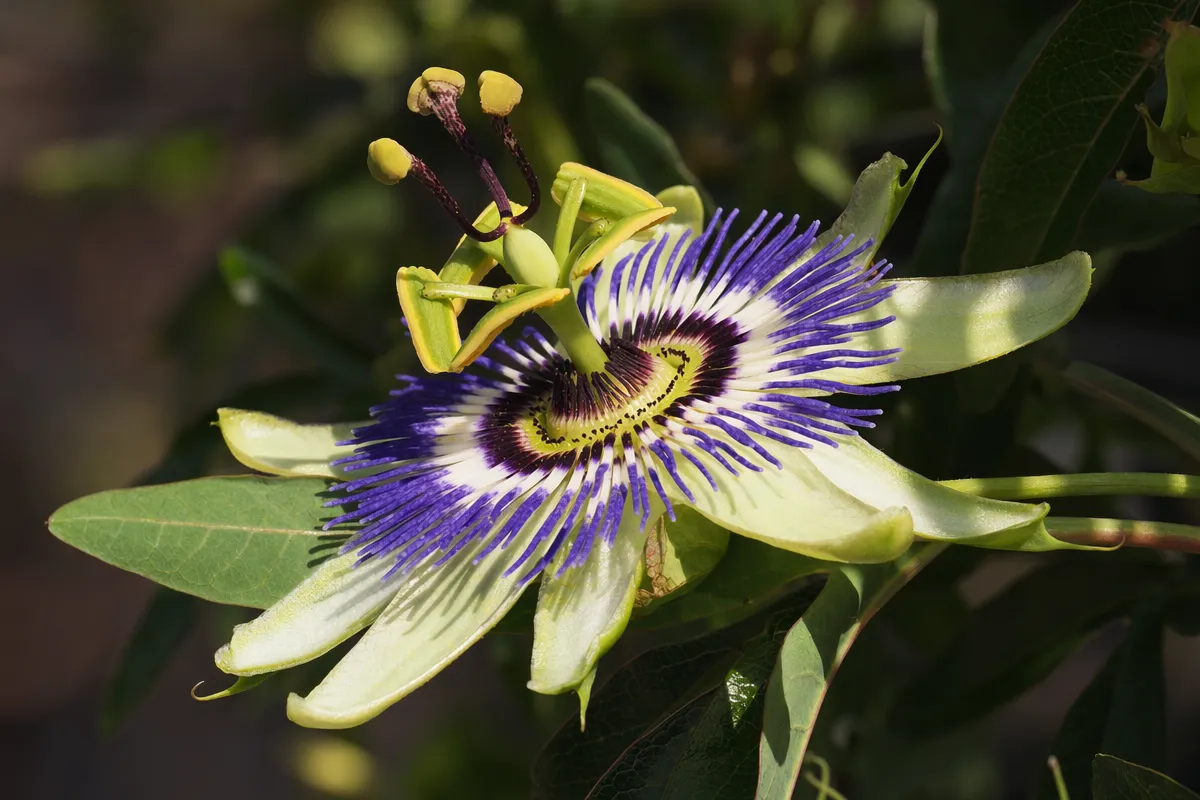
Before choosing a hydroponic system, you need to pick your variety. The two main forms of Passiflora edulis behave differently:
Purple Passion Fruit (P. edulis f. edulis)
- Self-compatible — can set fruit with its own pollen
- Smaller fruit (6–7 cm / 2.5–3 in.), deep purple skin
- Sweeter, less acidic flavor preferred for fresh eating
- Subtropical origin; performs best at slightly cooler temperatures (18–25°C)
- More susceptible to nematodes and Fusarium wilt in soil (not an issue in hydroponics)
- Recommended cultivars: 'Possum Purple' (70–75 days flowering to harvest, self-compatible), 'Panama Red' (larger fruit)
Yellow Passion Fruit (P. edulis f. flavicarpa)
- Self-sterile — requires cross-pollination from a different vine
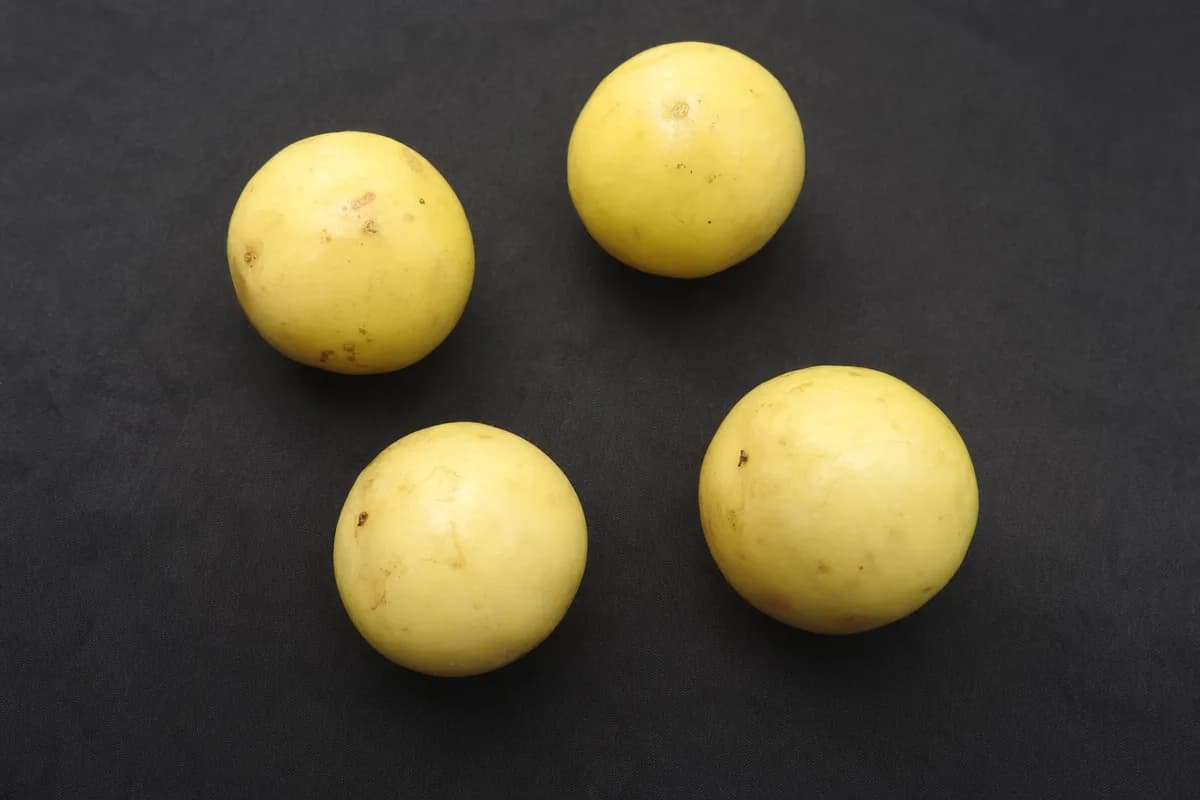
- Larger fruit, golden-yellow skin
- More acidic; preferred for juice and processing
- Tropical origin; tolerates higher temperatures
- Naturally resistant to nematodes and Fusarium
- Higher yield potential but needs at least two genetically different vines
For hydroponic growers, purple varieties are the better choice. Self-compatibility means a single vine can produce fruit with hand pollination, which is essential indoors where carpenter bees are absent. If you want yellow passion fruit, you'll need at least two unrelated vines and consistent hand pollination.
Tip: Some nurseries sell hybrid cultivars (purple × yellow crosses) that combine the disease resistance of yellow rootstock with the self-compatibility and sweetness of purple. The USDA-developed 'M-21471A' hybrid is self-compatible, disease-resistant, and produces maroon fruit weighing about 85 g.
Choosing the Right Hydroponic System
Passion fruit is a vigorous climbing vine that can grow 4–6 meters (15–20 ft) in a season. This rules out compact systems like NFT channels, which are designed for small leafy crops. Your best options:
Dutch Bucket (Recommended)
Dutch buckets with drip irrigation are the standard for hydroponic vining crops — tomatoes, cucumbers, and peppers all use this system commercially. Passion fruit fits the same profile:
- One vine per bucket (15–20 liter / 4–5 gallon capacity)
- Drip emitters deliver nutrient solution to the root zone
- Excess solution drains back to a central reservoir
- Easy to space buckets 1.5–3 m (5–10 ft) apart along a trellis line
Grow Bags with Drip
A simpler alternative: 20-liter grow bags filled with substrate, fed by drip stakes from a timer-controlled reservoir. This is essentially the same principle as Dutch buckets but cheaper to set up. Use saucers or a drain channel to collect runoff.
Substrate Choice
A 70:30 mix of coconut coir to perlite is the standard for hydroponic fruiting crops:
- Coir provides water retention and a stable root environment
- Perlite ensures drainage and root-zone aeration
- Together they prevent the waterlogging that causes collar rot, passion fruit's most common root disease
Avoid pure water culture (DWC) for passion fruit. The root system is extensive and woody, and the vine needs a stable physical anchor for its weight. Substrate-based systems handle this naturally.
Nutrient Solution: EC, pH, and Feeding
This is where hydroponic passion fruit gets specific. A 2022 study published in Scientia Horticulturae tested the soilless cultivation of 'Ruby Star' passion fruit across multiple EC levels, pH ranges, and temperatures over two years. The findings provide the most precise nutrient targets available:
Optimal Parameters
| Parameter | Target | Notes |
|---|---|---|
| EC | 2.0 dS/m | Tested 1.6, 2.0, and 2.6 — no significant yield difference, but 2.0 trended best for dry matter |
| pH | 4.0–5.0 | Lower than typical hydroponic range (5.5–6.5); the study found dry matter weight trended higher at pH 4 |
| NO3-N | 170 ppm | Optimal concentration for fruit quality |
| Temperature (daily mean) | 27–29°C | High temperatures delayed maturity and reduced sugar content |
Research note: The pH 4–5 range is notably acidic compared to most hydroponic crops. The researchers found no significant differences in yield or total soluble solids across pH 4, 5, and 6, but dry matter accumulation trended higher at pH 4. If you're running a mixed crop system, pH 5.0–5.5 is a workable compromise. If passion fruit is your sole crop, target pH 4.5–5.0.
NPK Ratios
UF/IFAS Extension recommends balanced formulations such as 10-10-10 or 8-3-9 for passion fruit in Florida, while other tropical agricultural guides recommend a high-potassium 10-5-20 ratio. For hydroponics, translate this to a high-potassium formulation:
Note: Sources differ on soil NPK ratios. UF/IFAS (HS1406) recommends 10-10-10 or 8-3-9 with application rates that vary by vine age. Other tropical agriculture references favor a 10-5-20 ratio to meet passion fruit's high potassium demand. In hydroponics, the exact soil ratio matters less — target the nutrient concentrations below and emphasize potassium during fruiting.
- Nitrogen: Moderate (170 ppm NO3-N per the soilless study)
- Phosphorus: Low to moderate
- Potassium: High — passion fruit is a potassium-hungry crop. Purdue University research notes that 900–1,000 g of nitrogen is needed to produce 30 kg of fruit, but potassium demand runs even higher
Use a complete hydroponic base nutrient (two-part or three-part) and adjust potassium upward during flowering and fruiting. Supplement with calcium and magnesium, especially if using coconut coir, which can bind calcium.
Micronutrients
UF/IFAS recommends foliar micronutrient applications for passion fruit. In hydroponics, these are delivered through the solution:
- Iron: Essential in alkaline conditions. Use chelated iron (Fe-EDDHA) if your water source is hard
- Zinc, copper, manganese: Include in your base nutrient or supplement at standard hydroponic rates
- Boron: Important for flower development and fruit set
Light and Temperature
Light Requirements
Passion fruit needs full sun — a minimum of 6 hours of direct light daily, with 8+ hours ideal for maximum flowering and fruit set.
For indoor setups:
- Use high-output LED grow lights (full spectrum, at least 400–600 µmol/m²/s PPFD at canopy level)
- Provide 12–16 hours of light per day during vegetative growth
- Maintain at least 12 hours during flowering — passion fruit is a long-day plant that flowers more prolifically with extended photoperiods
- Position lights to cover the full trellis canopy, not just the base
Important: In extremely hot climates (above 35°C / 95°F), flowers will drop before setting fruit. If your greenhouse heats excessively in summer, provide shade cloth or cooling to keep temperatures below 32°C during flowering.
Temperature Ranges
| Growth Stage | Optimal Range | Notes |
|---|---|---|
| Vegetative growth | 21–29°C (70–85°F) | Vigorous vine and leaf production |
| Flowering | 20–27°C (68–80°F) | Flowers open in the morning (purple) or around noon (yellow) |
| Fruit development | 27–29°C (80–84°F) | Highest sugar content and best flavor per the soilless study |
| Minimum survival | 0°C (32°F) briefly | Mature vines survive light frost but lose foliage; sustained freezing kills |
| Night temperature | 15–18°C (59–65°F) | Some day-night differential promotes flowering |
Starting from Seed
Passion fruit can be started from seed or cuttings. Seeds are easier to source and produce vigorous vines, though they take longer to fruit.
Seed Preparation
- Scarify the seed coat. Passion fruit seeds have a hard outer coating that slows germination. Rub seeds between two sheets of 100–150 grit sandpaper for 3–5 minutes until light scarring is visible on the seed coat.
- Soak for 24 hours. Submerge scarified seeds in room-temperature distilled water.
- Sow at 1 cm (⅓ in.) depth in a seedling tray filled with moist perlite and peat (or coir). Point the tip downward.
- Maintain warmth and humidity. Germination requires 25–30°C (77–86°F). Use a heat mat if needed. Keep the substrate moist but not saturated.
- Germination time: 10–20 days with scarified seed. Unscarified seed can take 30+ days or fail entirely.
Starting from Cuttings
Cuttings produce fruit sooner (often within 6–8 months) and are genetically identical to the parent:
- Select 1-year-old wood with new growth. Cut segments with 2–4 nodes.
- Cut at a 45-degree angle just above the bottom node. Remove tendrils and cut leaves in half.
- Dip the cut end in rooting hormone (powder, liquid, or gel).
- Plant 5–10 cm (2–4 in.) deep in a peat-perlite mix.
- Maintain high humidity (~85%) and indirect light.
- Roots develop in 2–3 months. New leaf growth and resistance when gently pulled confirm rooting.
Disease note: UF/IFAS strongly recommends sanitizing clippers in a 10% chlorine solution between plants and applying fungicide weekly to prevent pathogenic growth during propagation. Potyviruses (especially CABMV) are the most serious passion fruit disease — once infected, there is no cure. Always start with disease-free material.
Transplanting and Trellis Setup
Transplant seedlings into your hydroponic system when they reach 15–25 cm (6–10 in.) in height and have developed a strong root system.
Trellis Design
Passion fruit is a climbing vine that produces fruit on new growth hanging downward. The "curtain" trellis system is the commercial standard:
- Height: At least 2.1 m (7 ft) to the top support wire
- Structure: Sturdy posts every 3 m (10 ft) with a horizontal wire at the top
- Training: One main stem grows straight up a string or stake to the top wire. At the top, allow two branches to grow horizontally along the wire in opposite directions. Lateral shoots hang down from these main arms, forming a "curtain" where flowers and fruit appear.
Spacing:
- Outdoor commercial: 1.8–3 m (6–10 ft) between plants, 3–4.5 m (10–15 ft) between rows
- Hydroponic/greenhouse: You can reduce to 1.5–2 m (5–7 ft) between plants since you control nutrients and light
Training Steps
- Weeks 1–6 after transplant: Train a single leader stem upward. Remove all side shoots and tendrils below the trellis wire. Use plant clips or soft ties against a vertical string.
- When the leader reaches the wire: Pinch the growing tip. Allow two lateral branches to grow in opposite directions along the wire.
- Ongoing: As lateral shoots grow downward from the main arms, they will flower and set fruit. After a lateral has fruited, prune it back to 2–3 nodes to encourage new fruiting wood.
Tip: Orient trellis rows north-south for maximum light exposure on both sides of the canopy. Trellising also improves air circulation around the canopy, reducing disease pressure from Alternaria and Septoria leaf spots.
Pollination
This is the single most critical step for hydroponic passion fruit production. Without effective pollination, you will get flowers but no fruit.
Natural Pollination
In outdoor settings, large carpenter bees (Xylocopa spp.) are the primary and most effective pollinators. Honey bees are much less efficient because passion fruit pollen is heavy and sticky. Wind does not work.
Indoor growers will not have carpenter bees. Hand pollination is essential.
Hand Pollination Technique
Passion fruit flowers are large (7–10 cm / 3–5 in. wide) and easy to work with:
- Timing: Purple passion fruit flowers open early in the morning and close by midday. Yellow varieties open around noon and close by evening. Pollinate within the first 2–3 hours of opening for best results.
- Identify the parts: Each flower has five anthers (pollen-bearing structures) held on stalks, and three stigmas (pollen-receiving structures) with bulbous tips, positioned above the anthers.
- Transfer pollen: Use a small paintbrush or cotton swab to collect yellow pollen from the anthers. Dab it onto all three stigma pads. Alternatively, pluck an anther directly and rub it across each stigma — this is faster and just as effective.
- Fruit set rate: In Fiji, hand pollination of commercial passion fruit achieves about 70% fruit set at a rate of 600 flowers per hour. At home scale, expect to pollinate 5–20 flowers per session.
Research note: Each seed inside the fruit corresponds to one successfully fertilized ovule. More complete pollination means more seeds, which means larger, juicier fruit. Lightly pollinated fruit will be smaller with hollow sections. Take the time to thoroughly coat all three stigmas.
Purple varieties are self-compatible, so pollen from the same vine works. Yellow varieties are self-sterile and require pollen from a genetically different vine.
Growth Timeline
| Stage | Time from Planting | What to Expect |
|---|---|---|
| Seed germination | 10–20 days | First shoot emerges from substrate |
| Seedling growth | 2–3 months | Develop to transplant size (15–25 cm) |
| Vegetative establishment | 3–6 months | Rapid vine growth, leader reaches trellis wire |
| First flowers | 8–12 months from seed; 6–8 months from cutting | Flowers appear on new lateral growth |
| Flowering to ripe fruit | 70–75 days | Fruit swells, changes color, and drops when ripe |
| Peak production | Year 2–3 | Mature vine produces maximum yield |
| Vine lifespan | 3–4 years | Productivity declines; replace with new plants |
Harvest and Yield
When to Harvest
Passion fruit signals its ripeness clearly:
- Color change: Green skin turns deep purple (or golden yellow for yellow varieties)
- Natural drop: Ripe fruit detaches from the vine and falls. In a hydroponic setup, place soft netting or a clean surface below the canopy to catch fruit without bruising.
- Skin wrinkling: Slight wrinkling of the skin after falling indicates peak sweetness. The fruit looks past its prime but tastes best at this stage.
Do not pick passion fruit before it drops — premature harvest yields lower sugar, acid, and ascorbic acid content.
Expected Yield
- First year: 2–7 kg (5–15 lbs) per vine
- Mature vine (year 2–3): Up to 14–23 kg (30–50 lbs) per vine with optimal nutrition and pollination
- Commercial field reference: 2,500–5,000 kg per hectare (2,200–4,400 lbs per acre)
Storage
| Method | Duration |
|---|---|
| Room temperature (ripe) | 5–7 days |
| Refrigerated at 5–12°C (41–54°F), 85–90% RH | 2–3 weeks |
| Sealed polyethylene bag at 23°C | Up to 2 weeks |
| Frozen pulp at -18°C (0°F) | Up to 1 year |
Common Problems and Solutions
| Problem | Cause | Solution |
|---|---|---|
| Flowers but no fruit | Poor pollination | Hand pollinate within 2–3 hours of flower opening; ensure all 3 stigmas receive pollen |
| Flower drop | Temperature above 35°C, low light, or nutrient stress | Reduce temperature to below 32°C during flowering; increase light duration; check EC |
| Yellow leaves (interveinal) | Iron deficiency (common at higher pH) | Lower pH toward 4.5–5.0; supplement chelated iron (Fe-EDDHA) |
| Slow growth, pale leaves | Nitrogen deficiency | Increase NO3-N toward 170 ppm; check EC is at 2.0 dS/m |
| Premature fruit drop | Excessive nitrogen, water stress, or high temperature | Reduce nitrogen during fruiting; maintain consistent irrigation; control temperature |
| Collar rot at stem base | Waterlogged substrate, fungal infection (Phytophthora) | Improve drainage (increase perlite ratio); avoid saturating the crown area |
| Small, hollow fruit | Incomplete pollination | Pollinate more thoroughly — cover all three stigma pads with fresh pollen |
| Caterpillar defoliation | Gulf fritillary (Agraulis vanillae) and other Lepidoptera larvae | Apply Bt (Bacillus thuringiensis) spray; inspect undersides of leaves weekly |
| Woody, misshapen fruit | Potyvirus (CABMV) infection | No cure — remove and destroy infected vines; prevent with clean propagation material |
Key Takeaways
- Passion fruit thrives in soilless culture. Research confirms EC 2.0 dS/m and pH 4–5 with 170 ppm NO3-N as the optimal hydroponic parameters, with a daily mean temperature of 27–29°C for best fruit quality.
- Dutch buckets with a 70:30 coir-perlite substrate are the best hydroponic system for this vining crop. Space plants 1.5–3 m apart along a curtain trellis at least 2.1 m tall.
- Purple varieties (P. edulis f. edulis) are ideal for hydroponic growers because they are self-compatible — one vine can produce fruit with hand pollination alone.
- Hand pollination is essential indoors. Pollinate within 2–3 hours of the flower opening and coat all three stigmas for full-sized, juicy fruit.
- Expect first fruit 8–12 months from seed (6–8 months from cuttings), with 70–75 days from flowering to harvest. A mature vine yields up to 14–23 kg of fruit per year.
- Hydroponic cultivation eliminates the two biggest passion fruit killers in soil — Fusarium wilt and root-knot nematodes — giving your vines a longer, more productive life.
Whether you're in a tropical greenhouse or a northern grow room, hydroponic passion fruit is an ambitious but achievable project that pays off with one of the most aromatic, nutrient-dense fruits you can grow at home.
Keep Growing
If you're exploring hydroponic fruit and vegetable production, these guides cover similar systems and techniques:
- Hydroponic Strawberries: Grow 3x More Fruit Without Soil — drip system setup for another high-value fruit crop
- Hydroponic Asparagus: Science-Backed Guide — long-cycle hydroponic production with similar nutrient demands
- Hydroponic Black Pepper Guide — tropical vine crop in controlled environments
- Hydroponic Tomatoes from Seed to 10 kg — the most popular hydroponic fruit crop