Yellow Leaves? Use This Plant Nutrient Deficiency Chart
Use this science-backed plant nutrient deficiency chart to separate yellow leaves, mobile nutrient symptoms, immobile nutrient symptoms, pH lockout, and true fertilizer shortages before you feed.
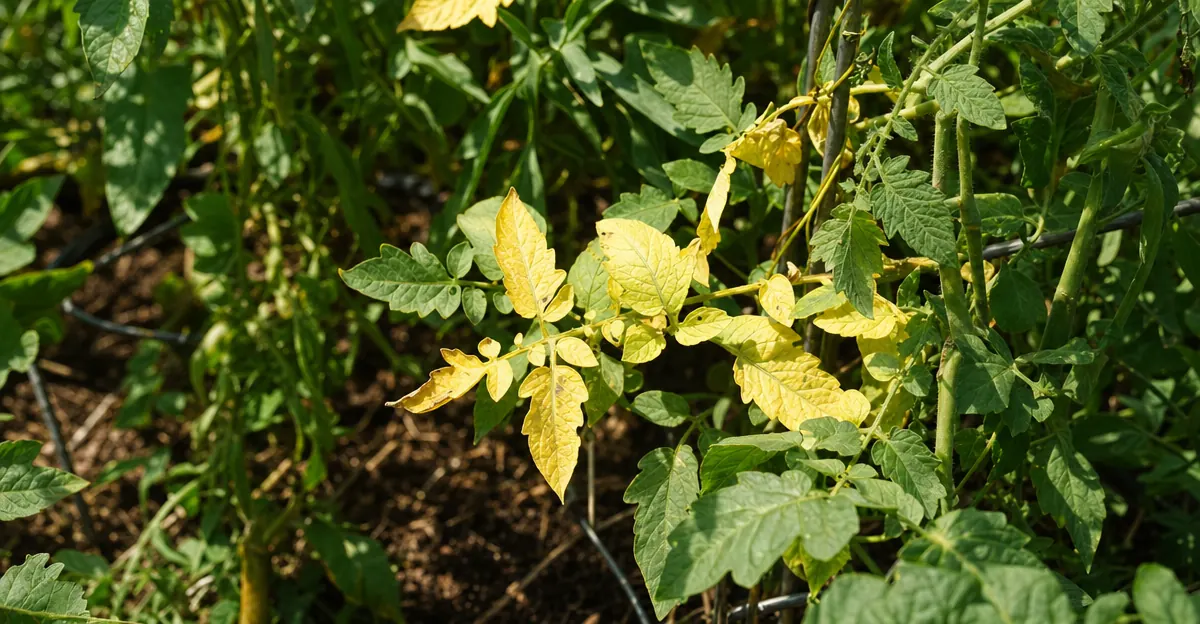
Key point: A yellow leaf is not a diagnosis. It is a clue. The fastest way to troubleshoot a suspected plant nutrient deficiency is to ask three questions in order: where did the symptom appear first, what pattern is visible on the leaf, and has pH, watering, salinity, or root health blocked uptake before you add more fertilizer?
Visual diagnosis works because nutrients behave differently inside the plant. Some nutrients move from older tissue to new growth when supply is short. Others are difficult to relocate once deposited, so their symptoms show up in the newest leaves, growing tips, or roots. That mobility pattern is the backbone of every useful plant nutrient deficiency chart.
The quick diagnosis chart
Use this chart as a starting point, not a verdict. Disease, water stress, cold roots, high soluble salts, herbicide injury, and pH lockout can imitate nutrient problems.
| First symptom location | Visual pattern | Likely issue | What to check before feeding |
|---|---|---|---|
| Older lower leaves | Even yellowing, pale whole leaf, slow growth | Nitrogen shortage | Root health, recent leaching, growth stage demand |
| Older lower leaves | Dark green or purplish leaves, stunting | Phosphorus limitation | Cold root zone, high or low pH, compacted roots |
| Older lower leaves | Marginal scorch, weak stems, stress sensitivity | Potassium limitation | EC or salt buildup, drought cycles, heavy fruit load |
| Older lower leaves | Interveinal chlorosis while veins stay greener | Magnesium limitation | Excess potassium or calcium, pH, water alkalinity |
| New leaves and tips | Twisted new growth, tip burn, dead root tips | Calcium transport problem | Irregular watering, low transpiration, humidity, root damage |
| New leaves | Interveinal chlorosis on young growth | Iron availability problem | High pH, bicarbonates, cold roots, overliming |
| New leaves | General pale growth with stunting | Sulfur limitation | Low-sulfur water or fertilizer, leached media |
If several symptoms appear at once, assume the root zone is the problem until proven otherwise. Multiple deficiencies showing up together usually point to pH drift, high salinity, saturated media, root disease, or a damaged root system rather than a sudden lack of four separate elements.
Step 1: Old leaves or new leaves?
The first location of symptoms matters more than the exact shade of yellow.
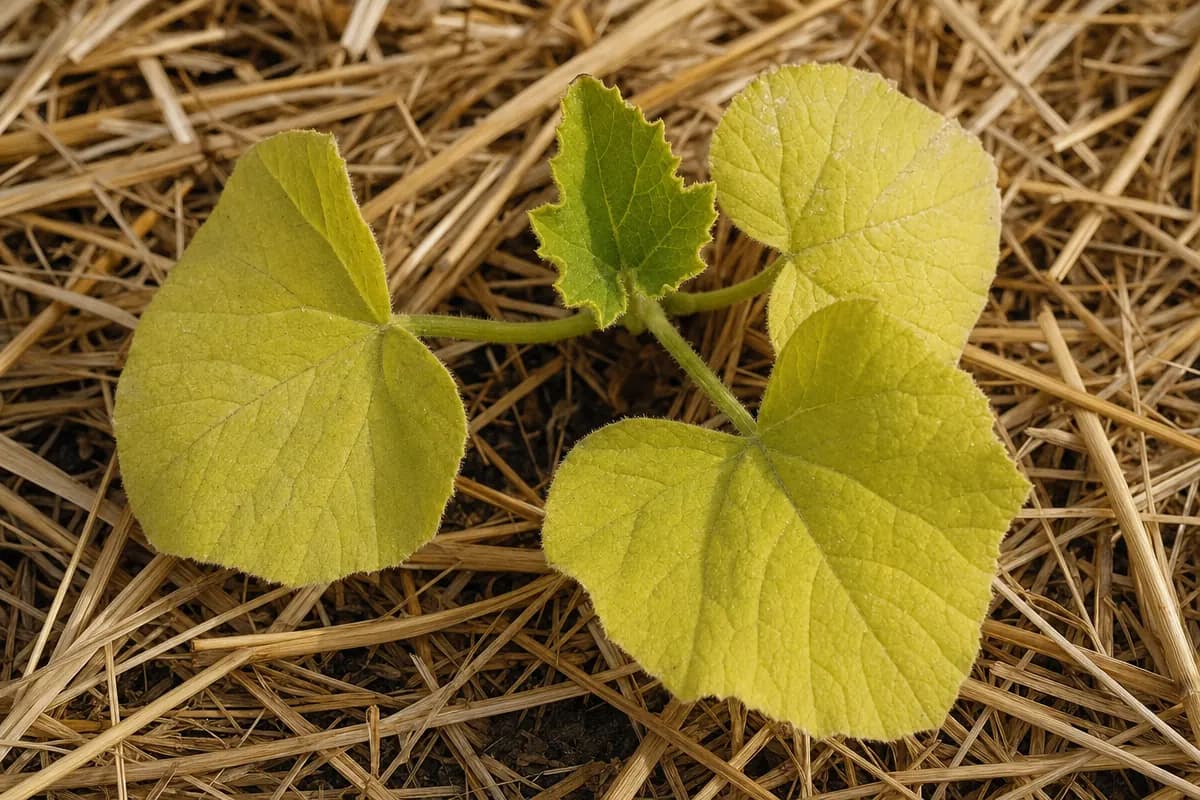
Mobile nutrients such as nitrogen, phosphorus, potassium, and magnesium can be reallocated from older leaves to active growth. When the plant runs short, old leaves are sacrificed first. That is why nitrogen deficiency typically begins as uniform yellowing on lower leaves, while magnesium deficiency often appears as yellowing between veins on older leaves.
Immobile or poorly mobile nutrients, including calcium and iron, tend to show symptoms in young tissue. Calcium is central to cell walls and membrane function, but it moves largely with transpiration flow, which makes rapidly expanding leaves and fruit vulnerable when water movement is uneven. Iron is essential for photosynthetic function, yet iron deficiency often appears first as interveinal chlorosis in young leaves because the plant cannot easily move enough iron into new tissue once availability is constrained.
Step 2: Read the leaf pattern
Once you know where the symptom started, read the pattern.
Uniform chlorosis means the whole leaf is fading. On older leaves, this often points toward nitrogen. On younger growth, sulfur can look similar, but sulfur deficiency is less common in many garden and hydroponic fertilizers.
Interveinal chlorosis means the tissue between veins turns yellow while veins stay greener. On older leaves, magnesium is a common suspect. On younger leaves, iron is more likely. This old-versus-new distinction prevents one of the most common misdiagnoses.
Marginal scorch means browning or necrosis begins along the leaf edge. Potassium limitation can produce edge scorch on older leaves, but so can drought, salt stress, wind, or root injury. In hydroponics, edge burn plus high EC points first toward osmotic stress, not simply a potassium shortage.
Distorted new growth means the growing point, new leaves, or root tips are affected. Calcium and boron problems can produce this pattern, but calcium symptoms are often transport failures rather than proof that the nutrient solution contains too little calcium.
Step 3: Rule out lockout before adding fertilizer
Most growers want the chart to answer, "What bottle do I add?" The better question is, "Can the roots access what is already there?"
pH changes nutrient solubility and root uptake. In soil, alkaline conditions are a classic trigger for iron chlorosis because iron may be present but poorly available. In hydroponics, pH drift can narrow access to iron, manganese, phosphorus, calcium, and magnesium even when the reservoir was mixed correctly.
Electrical conductivity tells a different story. High EC means the root zone is already concentrated. If leaves are burning while EC is elevated, adding more fertilizer can intensify water stress and make uptake worse. Low EC with pale, fast-growing plants is more consistent with true underfeeding.
Watering is just as important. Saturated media can starve roots of oxygen. Dry-down cycles can interrupt calcium movement. Cold roots slow nutrient uptake even when the leaf canopy looks warm. Root damage can create a whole-plant deficiency pattern because the uptake system itself is compromised.
How to respond without overcorrecting
Follow a conservative troubleshooting order:
- Inspect roots for browning, odor, slime, poor branching, or drought damage.
- Measure pH at the root zone, not only in the feed water.
- Measure EC or soluble salts before increasing fertilizer strength.
- Compare symptom location against the chart.
- Correct environment and root-zone access first.
- Adjust nutrients only after the access problem is ruled out.
For hydroponic systems, a reservoir refresh is often safer than stacking more additives into an imbalanced solution. For container and soil growers, a soil test or media test is more reliable than diagnosing from leaf color alone.
Common misreads
"Yellow leaves always mean nitrogen." Not quite. Magnesium, iron, sulfur, root disease, low light, aging leaves, and water stress can all yellow leaves. Nitrogen is more likely when older leaves fade evenly and the whole plant is pale.
"Tip burn means nutrient burn." Sometimes. But tip and margin burn can also come from calcium transport problems, drought, high salts, low humidity swings, or root injury.
"Purple leaves always mean phosphorus deficiency." Purple pigmentation can be associated with phosphorus limitation, but genetics, cold temperatures, light stress, and normal anthocyanin expression can also shift leaf color.
"A deficiency chart replaces testing." It does not. Charts are triage tools. They help narrow the next measurement, not skip measurement.
A practical rule
If symptoms begin on old leaves, think mobile nutrients and recent depletion. If symptoms begin on new leaves, think immobile nutrients, pH, and transport. If many symptoms appear at once, think roots and environment first.
That sequence prevents the most expensive mistake in plant nutrition: treating every leaf symptom as a fertilizer shortage.
Footnotes
Root-Zone Verification Protocol
Before changing fertilizer strength, run this verification sequence. It is designed to separate true nutrient scarcity from access failure.
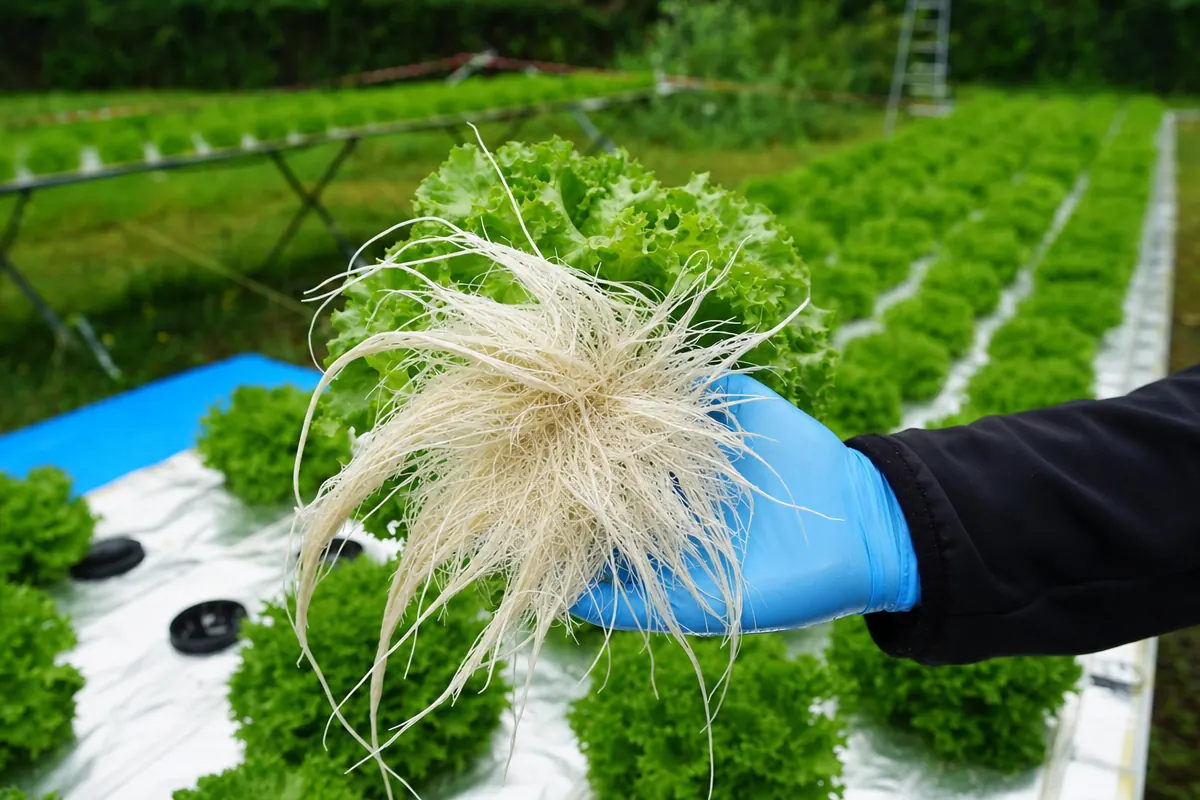
- Inspect active roots. Healthy hydroponic roots are usually pale, branching, and firm. Brown slime, sour odor, collapsing tips, or poor lateral branching means uptake is impaired before nutrition is adjusted.
- Measure pH at the point of uptake. Reservoir pH is useful, but runoff, leachate, or root-zone solution tells you what roots are actually experiencing.
- Measure EC before and after dilution. If EC is high and symptoms include margin burn or wilting, dilute or refresh before adding nutrients.
- Check the newest growth separately from the oldest growth. Mixed-canopy inspection prevents old senescence leaves from being mistaken for an active deficiency.
- Wait for new tissue to judge the correction. Damaged tissue rarely turns fully normal. Judge whether the next set of leaves emerges clean.
This protocol intentionally prioritizes root access over fertilizer addition. The academic literature is consistent on one point: mineral nutrition depends on uptake, transport, and allocation, not only nutrient presence in the growing medium.
Hydroponic Correction Decision Tree
Use this sequence when a hydroponic crop develops yellowing, scorch, or distorted new growth.
If EC is high: refresh or dilute the reservoir first. Do not add a corrective supplement until EC returns to the crop's normal operating band and roots recover.
If pH has drifted: adjust pH gradually, then recheck after circulation. Fast swings can stress roots and make the next reading misleading.
If older leaves are yellowing and EC is low: increase base nutrition conservatively and monitor new growth. Avoid chasing old leaves that are already senescing.
If young leaves show interveinal chlorosis: check pH and alkalinity before adding iron. Iron chlorosis is often an availability problem, especially when the root zone is alkaline.
If new tips are distorted or burned: inspect transpiration conditions, humidity swings, and root health before assuming the formula lacks calcium. Calcium movement depends heavily on water flow through the plant.
The safest correction is the one that changes the fewest variables at once. Adjust root conditions first, then formula strength, then individual elements only when the symptom pattern and measurements agree.