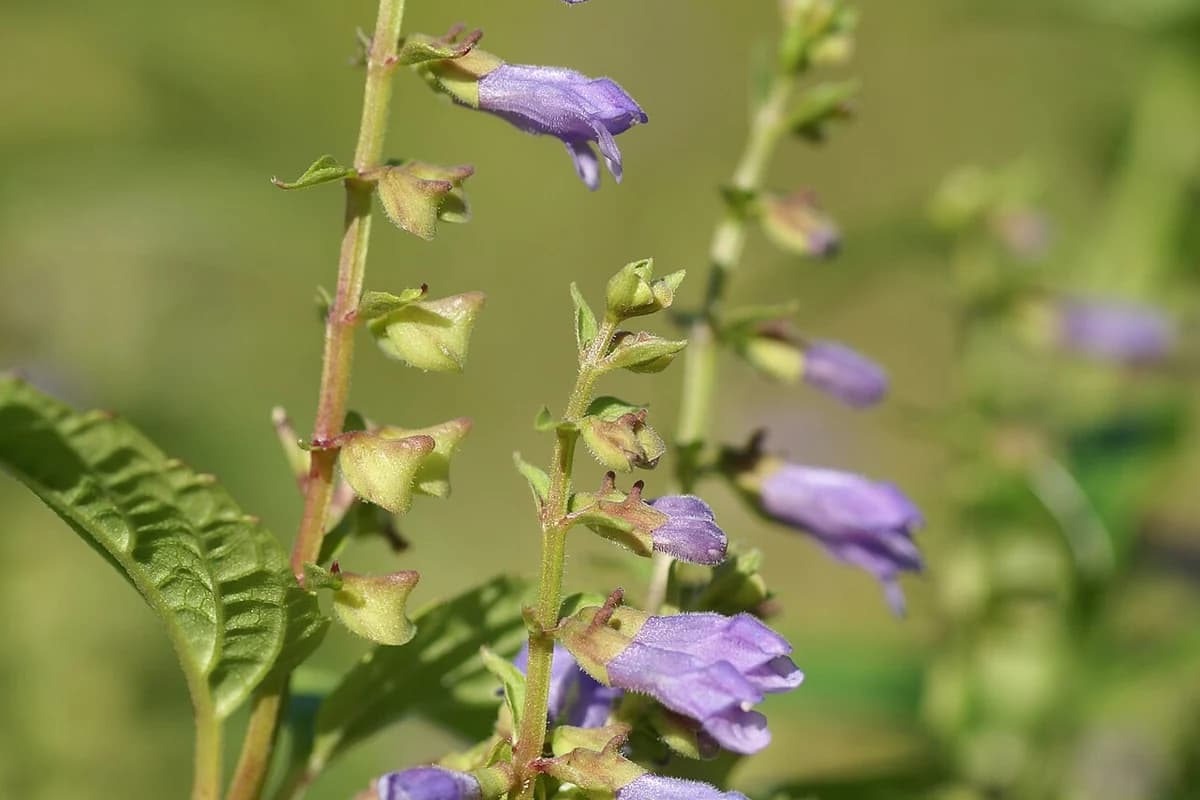
Skullcap

Scutellaria lateriflora

Scutellaria lateriflora (Blue Skullcap)
Difficulty:Intermediate
Category:Herbs
Total Growth Time:141 days
medicinalherblamiaceaeperennialmoisture-lovingherbsindooroutdoorgreenhousecontainerseedcuttingdivision

About This Plant

American skullcap is a moisture-loving perennial mint native to North America, grown for flowering aerial parts used in herbal preparations. Research supports moist soil, full sun to partial shade, warm production temperatures, and harvest at full bloom.

Also known as: Blue Skullcap, Mad Dog Skullcap, American Skullcap, Hoodwort, american-skullcap, Skullcap, skullcap, Scutellaria lateriflora, scutellaria-lateriflora, Scutellaria-lateriflora
Last verified:
12 Sources (pending verification)

How to Grow Skullcap

Learn how to grow Skullcap from seed to harvest in 120 days. Intermediate difficulty. Complete nutrient guide, pH/EC requirements, and growing conditions for soil & container.

Backed by 12 peer-reviewed citations.

Nutrient Requirements by Growth Stage

NPK Ratio:175-50-215
N (veg)
150-200 ppm
P (veg)
40-60 ppm
K (veg)
180-250 ppm

Do not treat the current stage-based hydroponic NPK ppm values as verified for American skullcap. The species-specific literature reports field and greenhouse fertilizer-rate responses instead: shade, irrigation, and added nutrients increased dry matter yield, and NPK response work found biomass responses to…

Sign in to view nutrient requirements

A free account unlocks NPK targets for all four growth stages, micronutrient levels, a per-stage nutrient calculator, and the full nutrition guide. Signing up takes one click. Truleaf is a free, non-profit project, and every new account helps it grow. No spam, ever.

Growing Environments

IndoorOutdoorGreenhouseContainer

American skullcap is suitable outdoors, in greenhouses, indoors under lights, and in containers when moisture is managed carefully. It naturally favors moist to wet soils and partial shade or woodland-edge settings, while field research showed irrigation was important for yield…

Temperature

American skullcap is best treated as a warm, moist perennial crop. OMAFRA lists 20-25C as the optimal growing temperature, and controlled studies used greenhouse or chamber conditions near 22.5-24C. Germination evidence supports warm conditions around 18-26C after stratification, but exact germination optima are not as well established as the crop growth range.

Humidity

A formal relative-humidity recommendation was not found for American skullcap. One controlled-room study grew S…

Light

American skullcap grows in full sun to partial shade, with moist-site and woodland-edge habitat supporting tolerance of lighter shade. In Alabama field trials, 40% shade with irrigation and added nutrients increased dry matter yield, although shaded canopies require mildew monitoring…

Airflow

No paper gave a numeric airflow target for S. lateriflora, but airflow is still important for risk management…

Sign in to view environmental requirements

A free account unlocks exact temperature, humidity, light and airflow targets, including germination and growth ranges, DLI, photoperiod and PPFD, plus the full environment guide. Signing up takes one click. Truleaf is a free, non-profit project, and every new account helps it grow. No spam, ever.

Hydroponic System Compatibility

DWC NFT Ebb & Flow Drip Kratky Aeroponics

Species-specific hydroponic evidence is limited. NFT is documented for S…

Growing Media

Use a consistently moist, well-drained medium. OMAFRA supports sandy loam to clay soil with pH 6.0-7.0, while propagation and research protocols used peat-lite mixes, PRO-MIX BX, and sand mixed with bark-based commercial potting media…

Container Specs

Container production is supported for starts and smaller plants. Propagation protocols used plug trays, 2-inch pots, and quarter-gallon containers, while controlled studies used larger pots for greenhouse research…

Training & Support

American skullcap does not need trellising, staking, or formal training. It is an herbaceous perennial with upright flowering stems and rhizomatous spread, so crop management focuses on moisture, spacing, harvest height, and division rather than structural support…

Sign in to view system compatibility

A free account unlocks why each of the six systems fits or fails, plus growing media, container sizes, training methods, companion plants, and the full systems guide. Signing up takes one click. Truleaf is a free, non-profit project, and every new account helps it grow. No spam, ever.

Propagation

Propagate American skullcap from seed or by division; UF/IFAS also reports rooted cuttings for S. lateriflora…

Harvesting

Harvest the aerial parts at full bloom, when leaves, stems, flowers, and calyces are the medicinal crop. Field research cut plants back to about 7.5-10 cm above the soil, allowing regrowth where stands remained healthy…

Planting Calendar

For temperate production, start seed in late winter or early spring, transplant after frost, or direct sow after soils warm. OMAFRA lists mid-March greenhouse seeding, mid-May direct seeding, and late-May transplanting when soil is above 10C…

Common Issues

The strongest documented issues are powdery mildew, root rot or plant die-off, aphids, whiteflies, leaf spot, and drought stress. Shade and irrigation can improve biomass, but dense or humid canopies increase the need for scouting and airflow…

One click sign up: Get the full care guide

Truleaf is a free, non-profit project, and every new account helps it grow. A free account unlocks every issue with symptoms, causes, step-by-step solutions and prevention, plus the month-by-month planting calendar, the full guide text, and every research source. Signing up takes one click. No spam, ever.