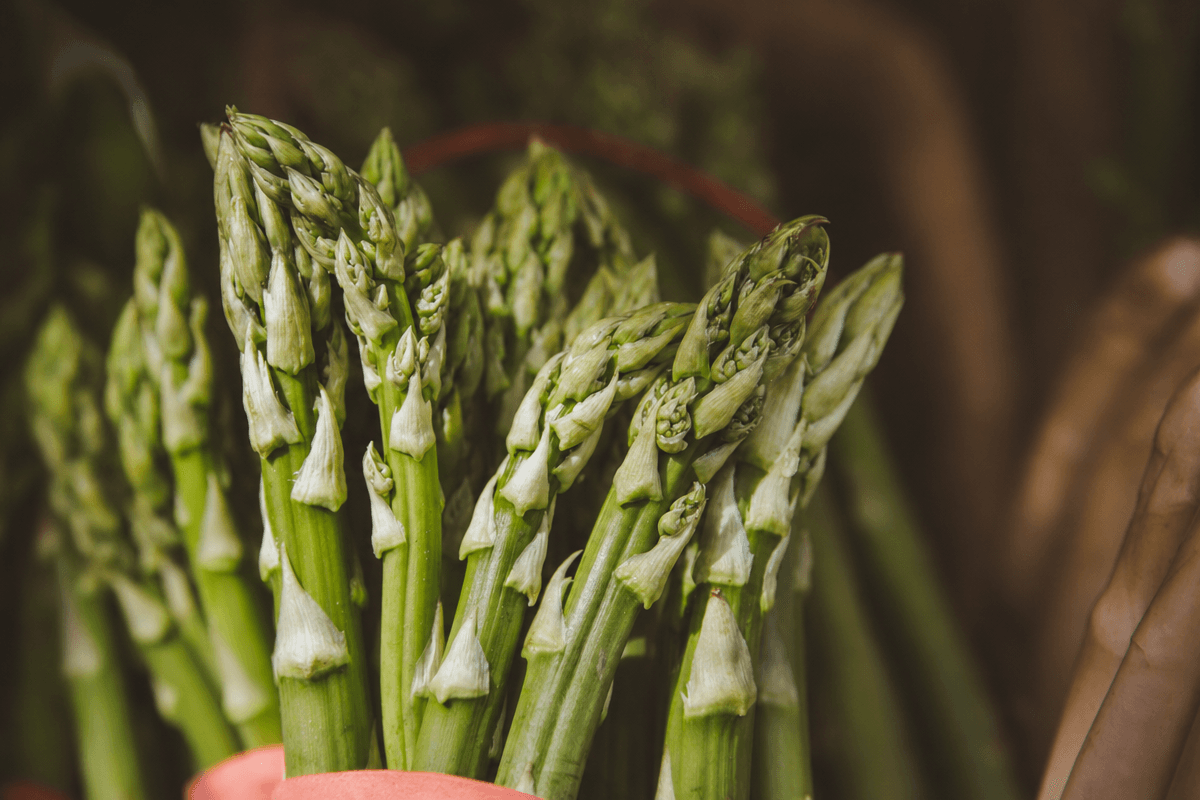
Про цю рослину
Спаржа -- це багаторічна овочева культура, яку зазвичай вирощують заради молодих пагонів (туріонів). Гідропонне вирощування часто зосереджується на цілорічному виробництві 'материнської папороті', де рослину утримують у вегетативному стані для безперервного збору. Тривалий період укорінення (365 днів до першого збору) робить її вимогливою, але вдячною культурою.
Як вирощувати Спаржа
Дізнайтеся, як вирощувати Спаржа від насіння до збору за 730 днів. Складність: Intermediate. Повний гід з живлення, вимоги pH/EC та умови вирощування для гідропоніка, ґрунт та теплиця.
Підтверджено 26 рецензованими цитатами.
Потреби в поживних речовинах за стадією росту
Спаржа є культурою з помірно високою потребою в живленні та значною потребою в калії. Співвідношення NPK становить приблизно 3-1-2 на основі показників винесення поживних речовин: за врожаю 2.5 t/acre спаржа виносить 23 lb N, 3 lb P і 20 lb K з acre…
Увійти для перегляду потреби в поживних речовинах
Безкоштовний акаунт відкриває цільові показники NPK для всіх чотирьох фаз росту, рівні мікроелементів, калькулятор живлення за фазами та повний посібник із живлення. Реєстрація займає один клік. Truleaf є безкоштовним некомерційним проєктом, і кожен новий акаунт допомагає нам розвиватися. Жодного спаму.
Середовища Вирощування
Asparagus officinalis є переважно багаторічною культурою відкритого ґрунту, яка добре росте в зонах морозостійкості USDA 2-9b із продуктивним строком життя 10-15 років у полі. Потребує повного сонця (8-10 год щодня) і добре дренованого ґрунту; не переносить перезволоження…
Температура
Asparagus officinalis — прохолодносезонна багаторічна рослина з різними температурними потребами на різних етапах росту. Насіння проростає в діапазоні 16-27C, з оптимальним проростанням приблизно за 24C; проростання помітно сповільнюється нижче 15C, а базова температура для проростання становить приблизно 7.5C. Вегетативний ріст папоротеподібної зелені найкраще відбувається за різниці денних і нічних температур: 24-29C вдень і 13-19C вночі, що, як показують дослідження, оптимізує як продуктивність, так і довговічність рослини. Поява пагонів починається, коли температура ґрунту перевищує 10C — базову кардинальну температуру — з максимальною швидкістю видовження за 30C (0.51 cm/h) і повним припиненням росту вище 35C. Накопичення сухої речовини у сіянців досягає максимуму за сталої температури 25C. Захищайте молоді пагони від пізніх весняних заморозків, які спричиняють пряме пошкодження тканин. У гідропонних або тепличних умовах підтримуйте 20-28C для стабільного росту.
Вологість
Asparagus officinalis переносить помірний діапазон відносної вологості під час активного росту. Для тепличного та кімнатного вирощування підтримуйте відносну вологість у межах 50-70% RH, із 60% як практичною ціллю…
Освітлення
Asparagus officinalis — культура повного сонця, що потребує щонайменше 6 годин прямого сонячного світла щодня, причому 8-10 годин є оптимальними для максимального врожаю пагонів і сили росту папоротеподібної зелені. У контрольованому середовищному землеробстві інтенсивність світла щонайменше 200 umol/m2/s необхідна…
Циркуляція повітря
Належна циркуляція повітря важлива для здоров’я спаржі, насамперед як стратегія керування хворобами. Застійне повітря навколо папоротеподібної зелені та коронок подовжує вологість листкової поверхні після зрошення або дощу, створюючи умови, сприятливі для фузаріозної кореневої гнилі, іржі спаржі та церкоспорозу…
Увійти для перегляду вимоги до середовища
Безкоштовний акаунт відкриває точні показники температури, вологості, світла та повітрообміну, зокрема діапазони проростання й росту, DLI, фотоперіод і PPFD, а також повний посібник із середовища. Реєстрація займає один клік. Truleaf є безкоштовним некомерційним проєктом, і кожен новий акаунт допомагає нам розвиватися. Жодного спаму.
Сумісність гідропонних систем
Спаржу успішно вирощували в кількох безґрунтових і гідропонних системах. Крапельне зрошення та системи Dutch Bucket є найпридатнішими для виробництва, оскільки вони вміщують глибоку, розгалужену кореневу систему спаржі та забезпечують стабільне надходження поживних речовин…
Субстрати
У ґрунтових системах спаржа найкраще росте в глибокому, добре дренованому суглинковому або супіщаному ґрунті з високим вмістом органічної речовини, pH 6.5-7.0 і мінімум 30 cm придатної для обробітку глибини — хоча польові кореневі системи зазвичай сягають 3-4 метрів. Перед садінням внесіть компост або перепрілий гній…
Контейнери
Контейнерне вирощування спаржі життєздатне, але потребує глибоких ємностей, щоб умістити кореневу коронку з кореневищами. Мінімальна глибина контейнера становить 45 cm (18 дюймів); 60 cm бажано для багаторічного виробництва…
Формування і підтримка
Спаржа не потребує шпалер або формального формування — це природно прямостояча, самопідтримувана багаторічна рослина. Після завершення сезону збору врожаю пагони розвиваються у високі перисті папоротеподібні стебла (зазвичай 100-150 cm), які здійснюють фотосинтез і поповнюють енергетичні запаси кореневища…
Увійти для перегляду сумісність систем
Безкоштовний акаунт відкриває, чому кожна з шести систем підходить або ні, а також субстрати, розміри контейнерів, методи підв’язування, рослини-компаньйони та повний посібник із систем. Реєстрація займає один клік. Truleaf є безкоштовним некомерційним проєктом, і кожен новий акаунт допомагає нам розвиватися. Жодного спаму.
Розмноження
Спаржу найчастіше розмножують 1-2-річними коронами, що є найшвидшим шляхом до врожаю. Висаджуйте корони рано навесні, за 3-4 тижні до дати останнього заморозку, у траншею глибиною 15-20 cm…
Збір врожаю
Спаржа — довговічна багаторічна рослина, яка надійно відростає з підземних корон протягом 15-30 років. Збирайте пагони, коли вони досягають 15-25 cm завдовжки, до розкриття верхівок або переходу в папоротеподібну зелень…
Календар посадки
Спаржа має довгий багаторічний календар укорінення. Починайте насіння в приміщенні в січні-лютому (за 12-14 тижнів до останнього заморозку) або придбайте 1-річні корони…
Поширені Проблеми
Спаржа стикається з характерним набором проблем, пов’язаних із її багаторічною природою та біологією ґрунту. Найважливішою з економічного погляду хворобою є фузаріозна гниль кореневища й коренів, спричинена F…
Отримайте повний науково обґрунтований посібник
Реєструючись, ви допомагаєте Truleaf залишатися безкоштовним і підтримуєте розвиток нашого некомерційного проєкту. Ваш обліковий запис відкриває повну інформацію про кожну проблему рослин—зокрема симптоми, причини, покрокові рішення та профілактику—а також помісячний календар висівання, повний посібник і всі наукові джерела. Потрібен лише один клік. Жодного спаму.