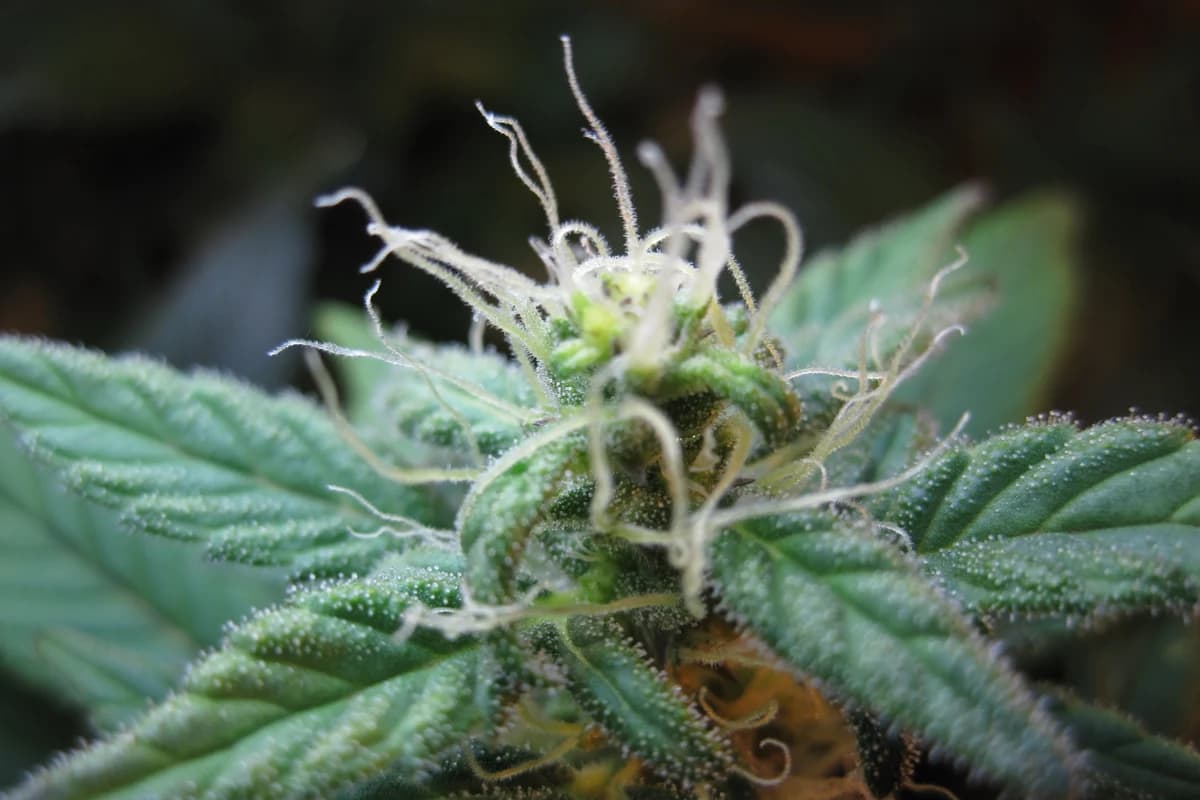
About This Plant
Blueberry is a Cannabis sativa cultivar record. No peer-reviewed Blueberry-specific production trials were found, so this profile uses controlled Cannabis sativa research for nutrition, environment, propagation, disease, and post-harvest guidance while keeping cultivar yield and flowering timing caveated.
How to Grow Blueberry
Learn how to grow Blueberry from seed to harvest in 103 days. Intermediate difficulty. Complete nutrient guide, pH/EC requirements, and growing conditions for hydroponics, soil & greenhouse.
Sources cited: 20.
Nutrient Requirements by Growth Stage
The current flowering N and P values are supported, but vegetative K was low and the zero fruiting stage was not biologically useful for unpollinated cannabis flower. Vegetative cannabis trials support about 160-200 ppm N, 30 ppm P, and moderate K near 100 ppm; flowering response-surface work supports about 194 ppm N…
Sign in to view nutrient requirements
A free account unlocks NPK targets for all four growth stages, micronutrient levels, a per-stage nutrient calculator, and the full nutrition guide. Signing up takes one click. Truleaf is a free, non-profit project, and every new account helps it grow. No spam, ever.
Growing Environments
Blueberry is biologically compatible with indoor rooms, greenhouses, outdoor production, and containers where legal and climate-appropriate. Indoor or greenhouse systems are preferred for repeatable inflorescence quality because light, humidity, CO2, photoperiod, sanitation, and disease pressure can be managed…
Temperature
Use the verified Cannabis sativa temperature envelope rather than cultivar folklore. Hemp germination work supports 19-30C as a practical germination range, and cannabis photosynthesis studies support warm production around 25C when water, CO2, and light are not limiting. For Blueberry, keep growth near 20-28C with a 25C target; avoid sustained high-temperature flowering because quality depends on humidity, root temperature, and water status.
Humidity
Use stage-specific humidity rather than one static room target. Cuttings and seedlings can use higher humidity, vegetative plants can run about 55-70% RH, and flowering plants should be kept near 40-50% RH to protect inflorescences…
Light
Blueberry is treated as a photoperiod cannabis cultivar. Maintain vegetative plants under long days, commonly 18 h, then induce flowering with uninterrupted short days; 12 h remains the conservative reproductive trigger…
Airflow
Active air circulation is verified as a disease and humidity-control requirement, but exact Blueberry canopy air-speed trials were not found. Use continuous gentle movement, exhaust, dehumidification, and pruning to prevent stagnant high-RH pockets during flowering…
Sign in to view environmental requirements
A free account unlocks exact temperature, humidity, light and airflow targets, including germination and growth ranges, DLI, photoperiod and PPFD, plus the full environment guide. Signing up takes one click. Truleaf is a free, non-profit project, and every new account helps it grow. No spam, ever.
Hydroponic System Compatibility
Blueberry is compatible with active soilless and hydroponic systems when root-zone oxygen, pH, EC, and plant support are controlled. Drip fertigation in coco or rockwool is the preferred full-cycle approach because it supports runoff EC checks and dry-back control…
Growing Media
Use a well-aerated, well-drained medium. Coco coir with drip fertigation is preferred because it supports frequent nutrient delivery and runoff monitoring for a cannabis cultivar…
Container Specs
Use enough root volume for a trained photoperiod cannabis plant. Published greenhouse-style cannabis work commonly uses multi-liter containers, and Blueberry production justifies at least 13 L, with 19-30 L safer for larger indoor plants…
Training & Support
Training is recommended for Blueberry indoors to manage canopy height, improve light distribution, and support dense flowers. Use topping, LST, SCROG netting, trellis support, pruning, and stakes to spread branches, support inflorescences, improve light interception, and reduce humid shaded zones…
Sign in to view system compatibility
A free account unlocks why each of the six systems fits or fails, plus growing media, container sizes, training methods, companion plants, and the full systems guide. Signing up takes one click. Truleaf is a free, non-profit project, and every new account helps it grow. No spam, ever.
Propagation
Propagate Blueberry primarily from stem cuttings when cultivar uniformity matters. Seed propagation can work at warm temperatures, but seed-grown plants may segregate for sex, chemotype, and growth habit…
Harvesting
Harvest Blueberry once for mature female inflorescences; it is not a regrowing crop. Use bract trichome maturity and flower condition rather than calendar age alone, remove any Botrytis-contaminated material, then dry slowly in darkness with gentle airflow around 18-21C and 50-55% RH…
Planting Calendar
Indoor Blueberry can be scheduled year-round because photoperiod is controlled. Keep vegetative plants under long days, then initiate flowering with 12 h darkness as the conservative trigger…
Common Issues
The current record covered calcium deficiency, Botrytis, nutrient burn, light stress, and pH lockout, but the verified issue set needed expansion. Peer-reviewed cannabis pathology identifies powdery mildew, Botrytis bud rot, Fusarium and Pythium root disease, and viroid risk as major production concerns…
Get the full science-backed guide
By signing up, you help keep Truleaf free and support the growth of our nonprofit project. Your account unlocks full details for every plant issue—including symptoms, causes, step-by-step solutions, and prevention—plus the month-by-month planting calendar, the complete guide, and all research sources. It only takes one click. No spam, ever.