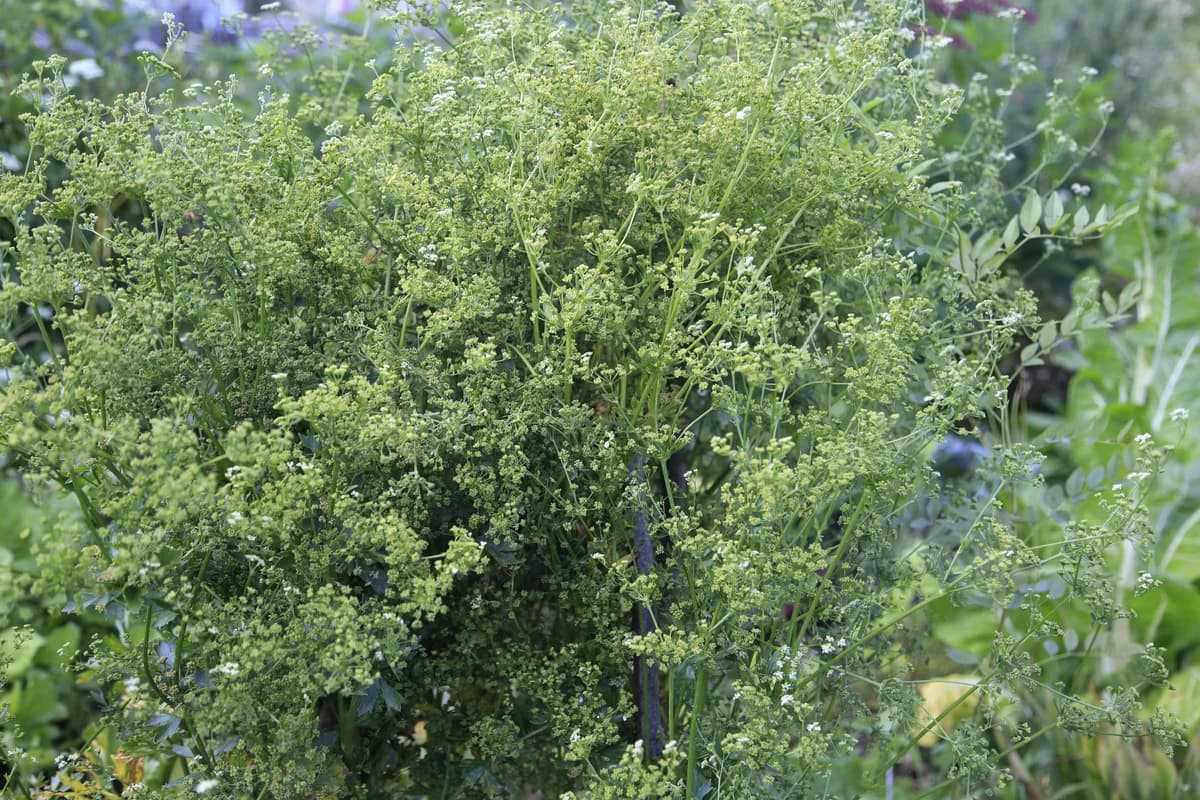
About This Plant
Celery is a cool-season Apiaceae vegetable grown for crisp edible petioles. It is slow to start from seed, moisture-hungry, and nutrient-demanding, but it performs well in fertile field soil, greenhouse transplant systems, NFT, and carefully managed hydroponics when temperature, calcium movement, and root-zone moisture stay stable.
How to Grow Celery
Learn how to grow Celery from seed to harvest in 105 days. Advanced difficulty. Complete nutrient guide, pH/EC requirements, and growing conditions for hydroponics, soil & greenhouse.
Sources cited: 16.
Nutrient Requirements by Growth Stage
Celery is a heavy-feeding vegetative crop, not a fruiting crop. In a floating hydroponic study, 180 ppm nitrate-N produced the strongest vegetative and yield response compared with 90 or 270 ppm…
Sign in to view nutrient requirements
A free account unlocks NPK targets for all four growth stages, micronutrient levels, a per-stage nutrient calculator, and the full nutrition guide. Signing up takes one click. Truleaf is a free, non-profit project, and every new account helps it grow. No spam, ever.
Growing Environments
Celery is strongly supported outdoors, in greenhouses for transplant production, and in protected hydroponic systems. UC and regional guides document cool-season field production with drip, sprinkler, or furrow irrigation, while greenhouse and hydroponic studies support transplant, NFT, and supplemental-light…
Temperature
Celery is a cool-season crop. Production guides agree that best stalk growth occurs around 16-18C, with an acceptable crop range near 13-24C. The current 18C target is appropriate, but guide text should treat heat and cold differently: sustained heat above about 24C makes petioles tougher and more bitter, while prolonged cold after plants are established can vernalize celery and trigger bolting. Germination is slow, commonly 14-21 days, and can occur across a broad cool-to-warm range if the medium stays moist.
Humidity
Celery needs consistently moist roots and relatively humid growing conditions to produce crisp petioles, but the reviewed sources do not verify the current numeric 60-70% production RH range directly. Do not confuse humidity with wet foliage: celery is shallow-rooted and needs frequent irrigation, yet prolonged leaf…
Light
Protected-culture celery responds to moderate supplemental light. A greenhouse study found that adding 200 micromol m-2 s-1 white LED light for 10 hours improved growth under weak light, while a controlled light-cycle study used 400 micromol m-2 s-1 and showed growth depended on the light-dark schedule…
Airflow
Airflow is primarily a disease-management tool for celery. UC IPM and production guides emphasize that wet canopies, overhead irrigation, and poor drying favor foliar blights, anthracnose, and bacterial decay…
Sign in to view environmental requirements
A free account unlocks exact temperature, humidity, light and airflow targets, including germination and growth ranges, DLI, photoperiod and PPFD, plus the full environment guide. Signing up takes one click. Truleaf is a free, non-profit project, and every new account helps it grow. No spam, ever.
Hydroponic System Compatibility
NFT and drip are the best-supported systems. A celery NFT trial found rockwool and 1200-1400 ppm nutrient strength improved growth, and a 2024 comparative study reported better celery productivity under hydroponics than soil or soilless pot culture in its trial…
Growing Media
For soil culture, celery needs fertile media that hold moisture without staying stagnant. UC ANR favors clays, clay loams, and loams with high water-holding capacity, and OSU identifies muck soils as ideal where available…
Container Specs
No complete celery-specific source gave an exact pot volume, so the container values are evidence-informed rather than directly trial-verified. Celery is shallow-rooted, commonly spaced 6-12 inches apart, and has high water demand; a container at least 30 cm deep and 30 cm wide per plant gives enough root space and…
Training & Support
Celery needs no trellis, stakes, cage, or structural support. Optional blanching is a quality practice rather than structural training: exclude light from petioles with collars, boards, cartons, opaque wrap, or soil mounding after plants are established to make stalks paler and milder…
Sign in to view system compatibility
A free account unlocks why each of the six systems fits or fails, plus growing media, container sizes, training methods, companion plants, and the full systems guide. Signing up takes one click. Truleaf is a free, non-profit project, and every new account helps it grow. No spam, ever.
Propagation
Celery is seed-propagated but normally transplant-grown. Seeds are small, slow, and uneven, with extension sources commonly listing 14-21 days to emergence…
Harvesting
Harvest timing depends on whether celery is grown for home outer-stalk harvest or market-style whole heads. Extension guides place market harvest broadly around 80-130 days from transplant, so the 105-day structured value is a reasonable midrange when counted from transplanting…
Planting Calendar
The calendar should be transplant-based. For a spring crop in temperate northern-hemisphere gardens, sow indoors in late winter to early spring and transplant after the crop can avoid prolonged cold; for fall celery, start seed in early to midsummer and transplant in late summer where heat can be avoided…
Common Issues
The current issue list needed symptoms, causes, and prevention arrays. Blackheart is calcium-related: young heart leaves develop water-soaked tips that blacken when moisture stress, rapid growth, high soluble salts, or excess potassium restrict calcium movement…
Get the full science-backed guide
By signing up, you help keep Truleaf free and support the growth of our nonprofit project. Your account unlocks full details for every plant issue—including symptoms, causes, step-by-step solutions, and prevention—plus the month-by-month planting calendar, the complete guide, and all research sources. It only takes one click. No spam, ever.