How to Grow Vanilla at Home: 5 Secrets to Your First Harvest
Growing vanilla (Vanilla planifolia) takes patience — but these 5 techniques cut years off your first harvest. Covers support, pollination, curing, and more.
Vanilla is the most commercially important orchid fruit in the world, and the second most expensive spice after saffron. Most failures come from three issues: insufficient humidity, no support structure for the vine, and skipping hand pollination. Get those three right, and Vanilla planifolia can produce beans in a backyard shade house, greenhouse, or even a well-managed indoor setup.
Why vanilla is worth the patience
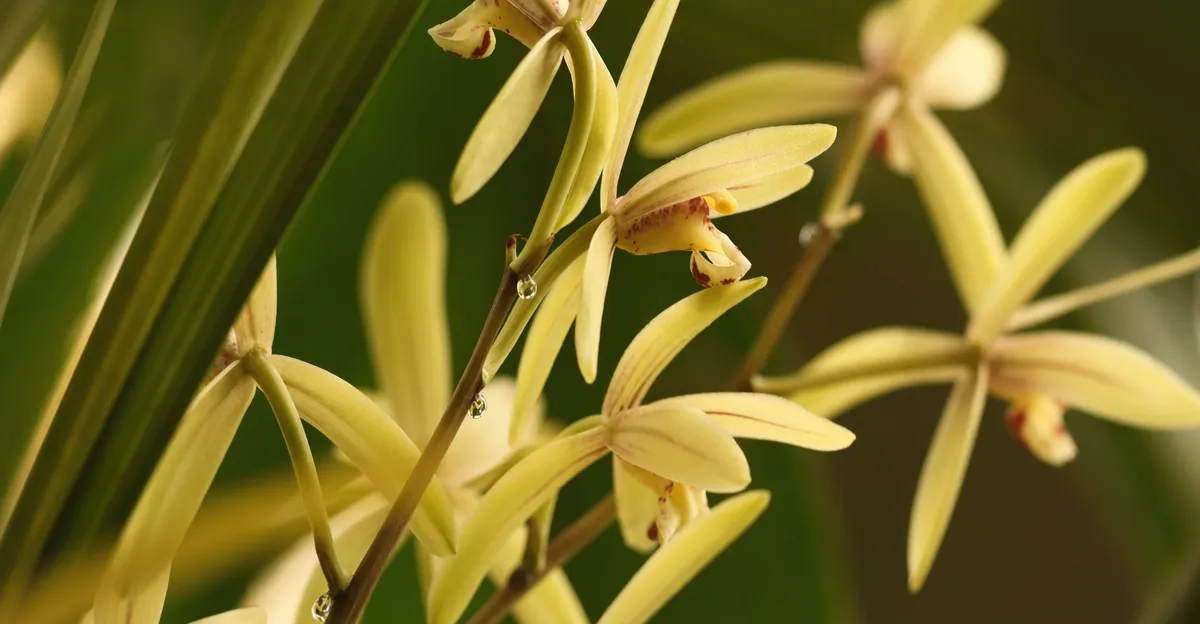
Vanilla comes from the cured seed pods (technically capsules) of Vanilla planifolia, a vining orchid native to Mexico and Central America. The plant can reach over 15 meters in length in its native tropical forest habitat, climbing trees with fleshy aerial roots. It is classified as Endangered on the IUCN Red List due to habitat loss and overexploitation.
What makes vanilla unique among crops is the time investment. Vines take two to four years to reach flowering maturity. Each flower opens for a single day and must be hand-pollinated. The resulting bean then needs eight to nine months to ripen, followed by months of curing before it develops the familiar vanilla aroma. None of this is technically difficult — it just requires discipline and patience.
Global production is concentrated in Madagascar, Indonesia, Mexico, and Papua New Guinea. Indonesia alone ranks as the fourth-largest exporter, with Grade A beans commanding $140–$200/kg. For home and small-scale growers, the economics are less relevant than the satisfaction: a single healthy vine can produce dozens of beans per season once established.
1) Climate requirements: warmth, humidity, and a dry trigger
Vanilla evolved in tropical lowland forests. Matching those conditions — or approximating them — is the single most important step.
Temperature: Optimal growth occurs between 20°C and 30°C (68–86°F). Temperatures below 20°C restrict development and flowering intensity. Above 32°C, leaves yellow and immature fruit may drop. The vine is frost-sensitive and will die at freezing temperatures.
Humidity: Target 80% relative humidity during active growth. In drier climates or indoor settings, humidifiers, pebble trays, and misting aerial roots daily can bridge the gap. One grower in Solano County, California reported that 50% average humidity with supplemental misting sustained healthy growth.
Rainfall / watering: In commercial systems, 2,000–3,000 mm of annual rainfall is considered optimal. Crucially, vanilla needs a dry period of roughly two months to trigger flowering. For home growers, this means reducing watering in late winter to simulate a dry season, then resuming normal irrigation once buds appear.
Light: Vanilla grows best under 50% shade — bright, dappled light similar to what it receives beneath a forest canopy. Direct sunlight scorches the leaves. During intense dry periods, increase shade to 50–70%. East-facing windows or shaded greenhouses work well for indoor cultivation.
Altitude: Commercially, vanilla performs best from sea level to 600 meters. Higher elevations generally bring cooler nights that slow growth.
Divergence note: The Frontiers in Sustainable Food Systems (2023) Australian industry framework cites an optimal range of sea level to 600 m, while a ScienceDirect review of vanilla agronomy in humid tropics reports successful cultivation up to 1,500 m. The higher figure likely reflects that vanilla can grow at altitude under favorable conditions, while yields and quality are optimized below 600 m.
2) Soil and growing media: organic matter is everything
Vanilla is a shallow-rooted surface feeder. Its roots grow within the top layer of decaying organic matter, not deep into mineral soil. This is the most important thing to understand about vanilla nutrition.
The ideal substrate is loose, well-drained, and rich in humus. In-ground growers should build up a thick layer of organic mulch — aged coconut husks, leaf litter, or composted bark — at the base of each vine. Reapply every 6 to 12 months as it decomposes. A slight slope in the planting area prevents standing water and reduces disease pressure.
For container or greenhouse cultivation, an orchid bark mix combined with nutrient-rich potting soil works effectively. Target a soil pH between 6 and 7.
Note: Vanilla nutrition relies primarily on the slow decomposition of organic material in the growing substrate. UF/IFAS notes that scientifically validated fertilization protocols for supplemental foliar nutrition are still lacking. Organic amendments — vermicompost, farmyard manure, bone meal, and wood ash — have shown positive results in research trials, with vermicompost and farmyard manure increasing soil organic carbon by 38–54% over initial levels. If you fertilize, go organic and go light.
3) Support structures: the vine needs something to climb
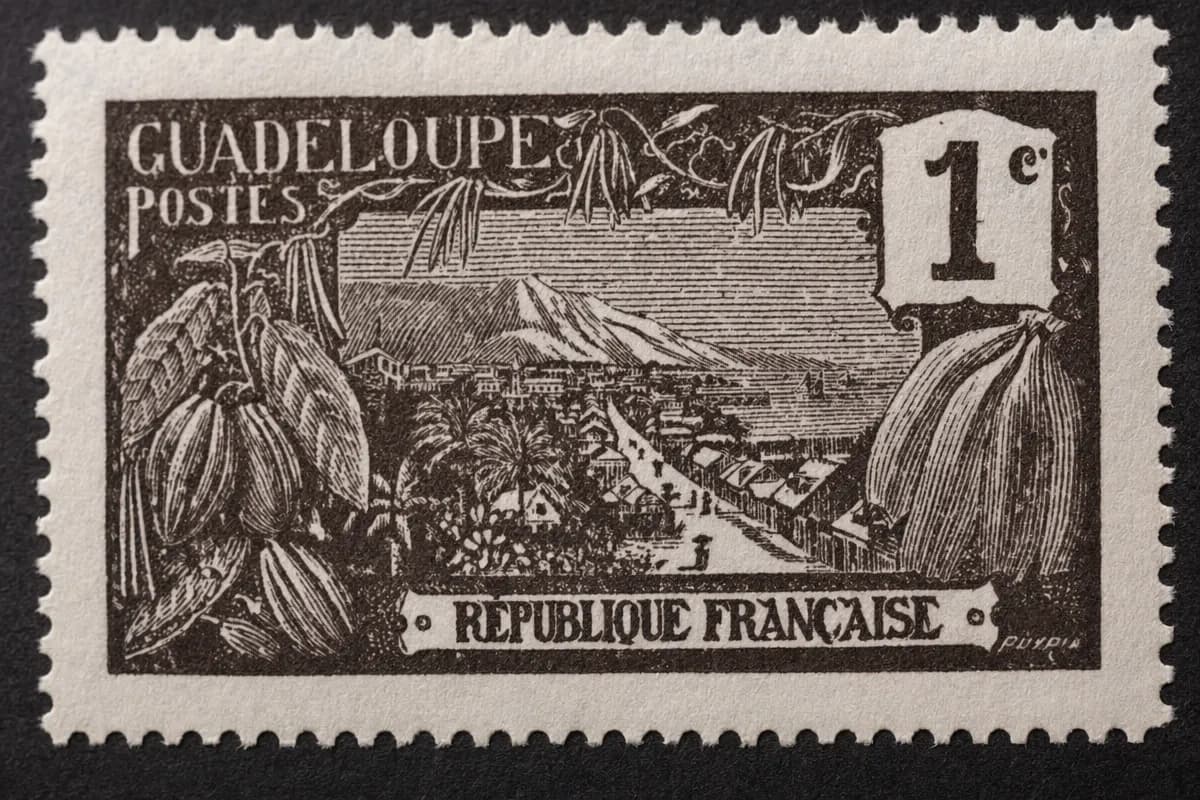
As a vining orchid, V. planifolia needs vertical support. Two main approaches exist:
Tutor trees: The traditional method. Plant vanilla at the base of a small shade tree. The tree provides both climbing support and filtered light. This approach is cheaper, creates a more natural microclimate, and research suggests it may reduce Fusarium disease risk compared to artificial structures.
Shade structures with trellising: Posts (wood or concrete) with horizontal wire, usually kept under 2 meters (6 feet) tall so flowers remain accessible for pollination. Maintain vines on a 15–20 cm (6–8 inch) layer of mulch at the base.
For indoor growers, a sturdy moss pole, wooden trellis, or even a section of bark-wrapped PVC pipe will work. The vine attaches with aerial roots, so the support surface should have some texture.
4) Propagation: start with cuttings, not seeds
Vanilla is propagated from stem cuttings, not seed. Seed germination requires mycorrhizal fungal associations and controlled lab conditions — it is not practical for home growers.
Cutting length matters for timeline:
- 1-meter (3-foot) cuttings: Can flower in 2–3 years
- 60–90 cm (24–36 inch) cuttings: Flower in 2–3 years
- 30 cm (12 inch) cuttings: Typically need 3–4 years
- Tissue-culture plants: Minimum 3–4 years to flower
Include at least two nodes per cutting. Allow the cut end to heal for one to two days at room temperature before planting. Lay the cutting horizontally with the bottom nodes buried in moist mulch or growing medium and the upper portion directed toward the support structure.
Research into vanilla's root ecology shows that both aerial and terrestrial roots host rich communities of orchid mycorrhizal fungi. These fungal associations support nutrient uptake and overall plant health, which is another reason organic, biologically active growing media outperform sterile substrates.
5) Hand pollination: the essential skill
This is the step that separates decorative vanilla vines from productive ones. Outside its native range in Mexico and Central America, vanilla's natural pollinators do not exist, and even within that range natural fruit set is extremely low — around 1%. Every flower must be pollinated by hand for reliable production.
Divergence note — natural pollinators: The natural pollinator of vanilla has traditionally been attributed to stingless Melipona bees (cited by Kew, Cornell, and older literature). However, a 2022 review in MDPI Plants (Vanilla beyond V. planifolia and V. × tahitensis) concluded that small Melipona bees "do not seem to be capable of performing the required steps of pollination" and proposed large Eulaema bees (tribe Euglossini) as more likely pollinators. The question remains open; direct observational evidence for any single effective pollinator species is limited.
The practical technique used worldwide today was developed around 1841 by Edmond Albius, a 12-year-old enslaved boy on Réunion Island.
Divergence note — pollination history: A 2024 historical review in MDPI Plants documents that Charles Morren first artificially pollinated vanilla on February 16, 1836, in Liège, Belgium, successfully producing 54 pods. His method was published in 1837 and disseminated across European colonies. Albius subsequently developed a simpler, more practical variant of the technique on Réunion around 1841, though the exact date is debated (the first written record appeared in 1843). Albius's contribution was pivotal for scaling commercial production, but he did not independently invent the concept of hand pollination.
How to pollinate:
- Work in the morning, between 6 a.m. and noon, when flowers are freshly open.
- Gently tear or fold back the lower petal (lip) to expose the column containing the pollinia (pollen mass), rostellum (a small flap), and stigma.
- Using a toothpick, thin stick, or fingernail, push the rostellum up and away from the stigma.
- Press the pollinia gently down onto the exposed stigma so they make contact.
- Release. If successful, the flower will remain attached. If pollination fails, the flower drops within 2–3 days.
A skilled operator can pollinate around 200 flowers per day. For home growers with a few vines, the process takes seconds per flower once you learn the motion.
Timing: Flowers are viable for only one day. Vanilla typically blooms over a two-month window (February through April in the Northern Hemisphere, depending on location). Limit pollinated flowers to about 10 per cluster to maintain bean quality.
Note: Recent research (2024) in MDPI Plants examined vanilla pollination in detail, noting that while stingless bees and orchid bees are often cited as natural pollinators, direct evidence of effective pollination by these insects remains limited. Hand pollination remains the only reliable method for commercial production.
6) Bean development, harvest, and curing
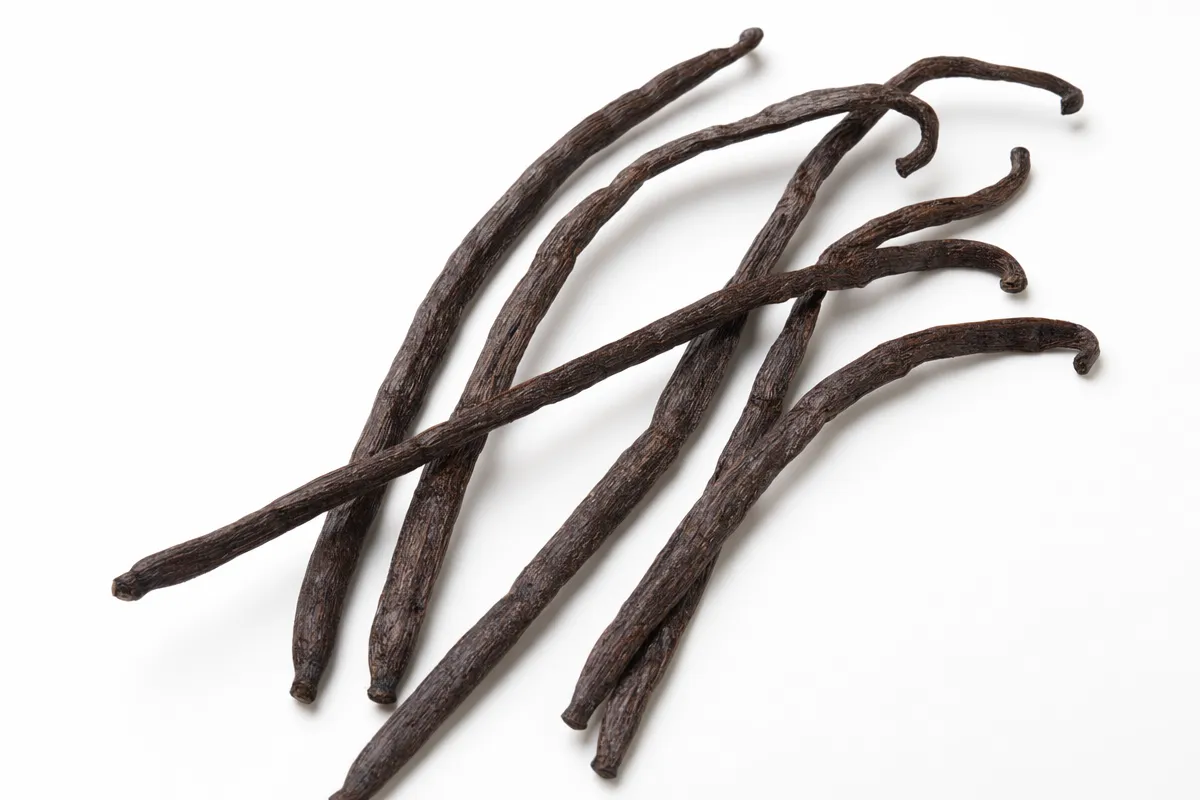
After successful pollination, the ovary swells into a bean (capsule) that reaches about 20 cm (8 inches) in length. Maturation takes eight to nine months.
Harvest timing is critical. Beans must be picked before they split along their seams — splitting ruins commercial quality. Watch for the tip of the bean turning from green to dark yellow or orange, which signals ripeness. In Indonesian production, premature harvesting (before 9 months) is a widespread problem that substantially reduces vanillin concentration.
The four-stage curing process:
- Killing: Briefly blanch beans in hot water (60–65°C for 2–3 minutes) to stop vegetative growth and initiate enzymatic reactions.
- Sweating: Wrap beans in cloth or blankets and store in a warm, dark place (45–65°C) for 7–10 days. This is where vanillin — which accounts for roughly 80% of the total aroma compounds — begins to develop.
- Drying: Spread beans in the sun for several hours daily, then bring indoors at night. Continue for 2–3 months until moisture content reaches 20–30%. Too much moisture invites mold; too little produces brittle, low-quality beans.
- Conditioning: Store dried beans in closed containers for several months to allow flavor to mature and stabilize.
The entire curing process can take three to six months. The characteristic aroma and flavor of vanilla only emerge through this drying and fermentation — fresh beans and flowers have no vanilla scent.
7) Pests and diseases: Fusarium is the main threat
The most serious disease affecting vanilla worldwide is stem and root rot caused by Fusarium oxysporum f. sp. vanillae. Symptoms include browning and wilting of stems, eventually killing the vine.
Cultural prevention is the best defense:
- Ensure excellent drainage. Avoid waterlogged substrates.
- Increase plant spacing and airflow.
- Use raised beds or benches where practical.
- Avoid overhead irrigation that keeps foliage wet.
- Use tutor trees rather than dense shade structures when possible.
Research published in Agronomy (2023) evaluated biological control agents — specifically orchid mycorrhizal fungi (Tulasnella and Ceratobasidium) — as biocontrol agents against Fusarium wilt in vanilla. Biological approaches show promise as part of integrated management.
Starting with disease-free planting material is critical. Tissue-culture plants are guaranteed free of fungi and viruses, though they take longer to reach flowering maturity.
Other pests include snails and slugs (control with barriers or hand removal) and occasional insect larvae (manual removal is usually sufficient).
8) Practical setup for first-year growers
If this is your first vanilla vine:
- Source quality cuttings. Buy from a reputable nursery. Longer cuttings (60+ cm) reach flowering faster. Verify the species — online sellers frequently mislabel vanilla cultivars. Only one patented cultivar ('Handa') currently exists.
- Choose your setup. A shaded greenhouse, shade house, or warm indoor room with supplemental humidity. Outdoors works in USDA zones 10a–11a (southern Florida, Hawaii, parts of southern California).
- Install support. A tutor tree, trellis, or moss pole. Keep the vine accessible at pollination height (under 2 meters).
- Build the substrate. Thick organic mulch in-ground, or orchid bark mix in containers. Maintain pH 6–7.
- Water consistently during active growth. Taper hard for two months before the expected bloom window to trigger flowering.
- Monitor humidity. Target 80% during growth. Mist aerial roots daily if needed.
- Be patient. Expect 2–4 years before first flowers, depending on cutting size.
- Learn to pollinate. Practice the rostellum technique on the first flowers. It becomes intuitive quickly.
Vanilla performance is highly dependent on local conditions. Your first flowering season is a learning trial — keep records of bloom dates, pollination success rates, and environmental readings so you can refine your approach in subsequent years.
Final takeaway
Vanilla rewards growers who commit to the long game. The science is consistent: warm temperatures (20–30°C), high humidity (80%), dappled shade (50%), rich organic substrate, and disciplined hand pollination are the highest-leverage controls. Every other variable — fertilization, pest management, harvest timing — flows from getting those fundamentals right. The vine is not fragile or finicky; it simply needs tropical conditions and a grower willing to show up on pollination mornings.