Mediterranean Herb Soil Mix: Grow 12 Herbs That Actually Thrive
The right soil mix is everything for Mediterranean herbs. Science-backed guide with exact soil recipes, drainage setup, and growing conditions for 12 culinary herbs — rosemary, thyme, oregano, sage, lavender, and more.
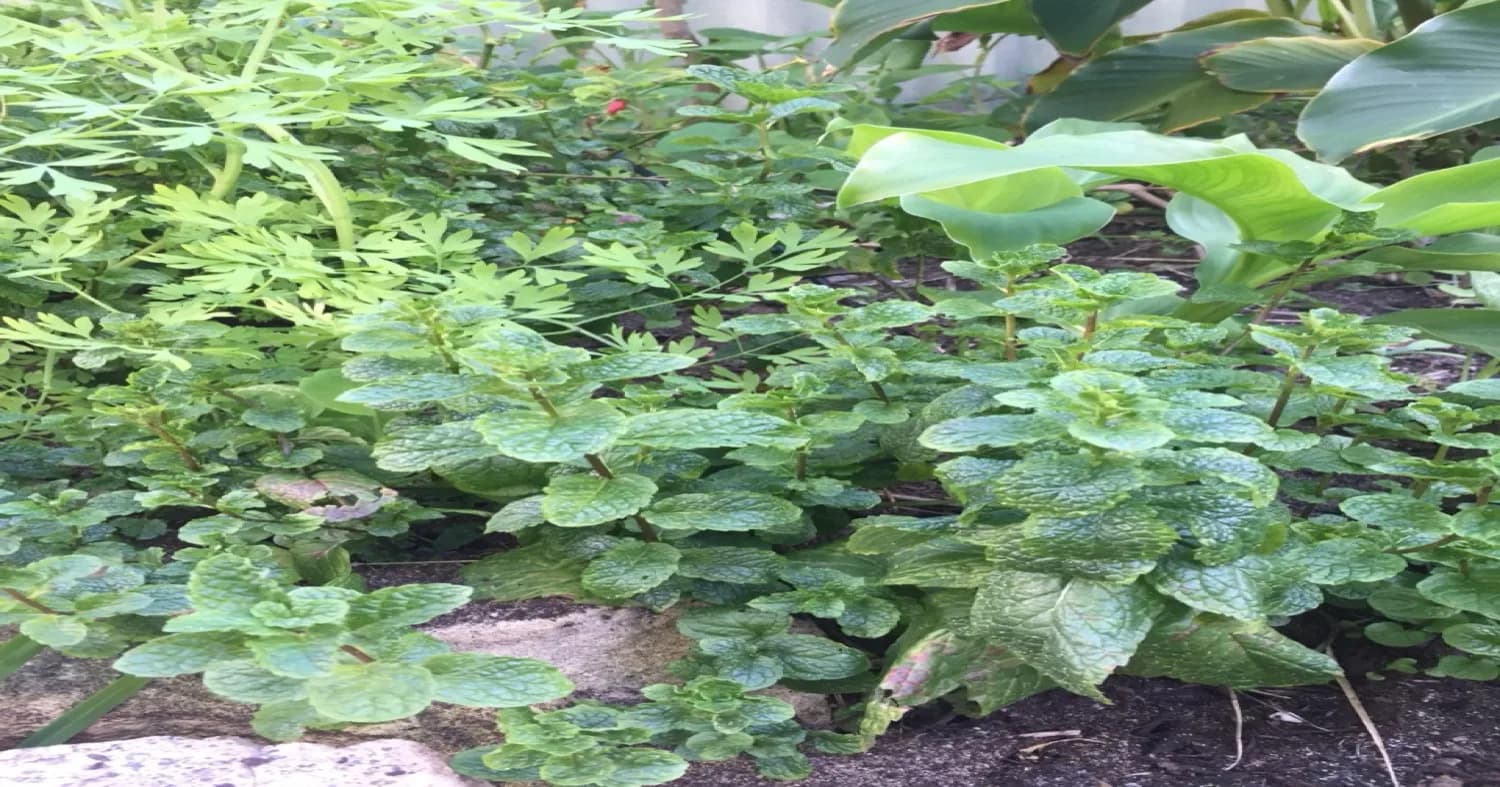
Key point: Mediterranean herbs — rosemary, thyme, oregano, sage, and their relatives — evolved in poor, rocky soil with hot, dry summers. The single most important factor for growing them successfully is drainage, not fertility. In fact, overly rich soil produces lush foliage with weaker flavor and fewer essential oils. This guide covers the ideal soil mix, watering strategy, and growing conditions for 12 culinary herbs that thrive in Mediterranean-type climates, backed by university extension research and peer-reviewed studies.
Why Mediterranean herbs need different soil
Walk through the hills of southern France, coastal Portugal, or the Greek islands and you'll find rosemary, thyme, and oregano growing wild in stony, alkaline soil that most gardeners would call terrible. That's the point. These plants evolved over millennia in nutrient-poor, fast-draining substrate baked by sun for 8–12 hours a day.
When you move them into rich garden soil or standard potting mix, two things go wrong:
-
Roots sit in moisture too long. Mediterranean herbs have shallow, fibrous root systems adapted to brief rainfall followed by rapid drying. Waterlogged roots rot within days — root rot is the number one killer of rosemary, thyme, and lavender in home gardens.
-
Excess nitrogen pushes leaf growth at the expense of flavor. The University of Maryland Extension notes that "highly fertile soil tends to produce excessive amounts of foliage that is poor in flavor". The fragrance and flavor of these herbs come from volatile essential oils produced in glandular trichomes. Research shows that moderate stress — including lean soil and controlled water deficit — can maintain or even increase monoterpene emissions, the compounds responsible for aroma.
Understanding this changes everything about how you prepare soil, water, and fertilize.
The ideal Mediterranean herb soil mix
For garden beds
If you're planting directly in the ground, drainage is your primary concern. The Clemson University Cooperative Extension recommends working 2–3 inches of coarse amendments into the top 8–12 inches of soil:
- Clay soil: Add fine pine bark, cracked pea gravel, or coarse compost. Avoid adding sand directly to clay — it can create a concrete-like mixture. Raised beds are a better solution for heavy clay.
- Sandy soil: Add 2–3 inches of compost or leaf mold to improve moisture retention without sacrificing drainage.
- Loamy soil: Usually needs little amendment. Top-dress with 1 inch of pea gravel or crushed stone to keep crown and lower stems dry.
Target soil pH: 6.0–7.5. Most Mediterranean herbs prefer neutral to slightly alkaline conditions. If your soil tests below 6.0, work in garden lime. Above 7.5, add sulfur or acidic organic matter like pine bark.
For containers (the recommended mix)
Containers give you full control over drainage — which is why many experienced growers prefer them for Mediterranean herbs. Here's a research-backed mix:
| Component | Proportion | Purpose |
|---|---|---|
| Standard potting mix | 50% | Base structure and moisture retention |
| Perlite or coarse pumice | 25% | Drainage and aeration |
| Coarse sand or fine gravel (2–4 mm) | 20% | Weight, drainage, mimics natural habitat |
| Composted bark or coco coir | 5% | Organic matter without excess nutrients |
Do not use garden soil in containers. It compacts, drains poorly, and can introduce pathogens.
Every container must have drainage holes — this is non-negotiable. For extra insurance, add a 2.5 cm (1 inch) layer of gravel or broken pottery at the bottom of the pot.
Why lean soil makes herbs taste better
This isn't folk wisdom — it's biochemistry. The essential oils that give Mediterranean herbs their flavor and aroma (thymol in thyme, carvacrol in oregano, 1,8-cineole and camphor in rosemary) are secondary metabolites. Plants produce more of these compounds under moderate environmental stress.
A field study on rosemary (Salvia rosmarinus) found that soil amendments significantly affected both oil yield and composition, with essential oil content ranging from 0.45% to 0.59% depending on growing medium. Research on basil (Ocimum basilicum) demonstrated that soil type directly impacts the chemical composition of essential oils — the highest yields came from well-drained loamy sand.
The practical takeaway: resist the urge to fertilize heavily. The University of Minnesota Extension recommends a single seasonal application of 5-10-5 fertilizer at 3 ounces per 10 feet of row for garden beds, or half-strength liquid fertilizer every 6 weeks for indoor containers. More than that, and you trade flavor for foliage.
Advanced soil amendment recipes by herb family
Not all Mediterranean herbs are alike — even within the same climate zone. Grouping herbs by botanical family reveals meaningful differences in soil preferences that go beyond simple drainage requirements.
Lamiaceae (mint family): The drought-lovers and the exception
The Lamiaceae family includes most Mediterranean herbs — rosemary, thyme, oregano, sage, lavender, and marjoram — but also basil and mint, which diverge sharply in their water needs.
Drought-tolerant Lamiaceae mix (rosemary, thyme, oregano, sage, lavender, marjoram):
| Component | Proportion | Notes |
|---|---|---|
| Mineral-based potting mix (low peat) | 40% | Reduces water retention |
| Perlite or pumice | 25% | Maximum aeration |
| Coarse sand (2–4 mm) | 20% | Mimics native rocky substrate |
| Crushed limestone gravel | 10% | Raises pH toward 7.0–7.5, improves drainage |
| Composted bark | 5% | Minimal organic matter |
This mix targets a pH of 6.5–7.5 and dries rapidly between waterings. Research on rosemary confirms that soil amendments significantly affect essential oil yield — lean, well-drained media produced oils with higher concentrations of 1,8-cineole and camphor. For sage, field studies show that nutrient-poor conditions still support productive growth when combined with appropriate biofertilizers.
Moisture-tolerant Lamiaceae mix (basil):
| Component | Proportion | Notes |
|---|---|---|
| Standard potting mix | 55% | Higher moisture retention |
| Perlite | 20% | Drainage without excessive drying |
| Compost or worm castings | 15% | Provides the nitrogen basil needs |
| Coarse sand | 10% | Base drainage layer |
Basil is the Lamiaceae outlier — it prefers rich, consistently moist soil. Studies confirm that soil composition directly impacts basil's essential oil profile, with well-drained loamy substrates producing the most favorable chemical composition.
Apiaceae (carrot/parsley family): Cilantro, parsley, fennel
Apiaceae herbs have deeper taproots than Lamiaceae species and prefer soil with more organic matter and consistent moisture:
| Component | Proportion | Notes |
|---|---|---|
| Standard potting mix | 50% | Good moisture retention |
| Compost | 25% | Rich organic matter for taproot development |
| Perlite | 15% | Prevents compaction around taproots |
| Coarse sand | 10% | Drainage |
Target pH: 6.0–6.8. These herbs are less drought-tolerant and bolt quickly in lean, dry soil. Fennel in particular needs deeper containers (minimum 30 cm) to accommodate its taproot.
Lauraceae (laurel family): Bay laurel
Bay laurel (Laurus nobilis) is a slow-growing tree that can thrive for decades in a container. It needs a distinct mix:
| Component | Proportion | Notes |
|---|---|---|
| Standard potting mix | 45% | Balanced retention |
| Composted bark | 25% | Mimics forest floor organic matter |
| Perlite | 20% | Long-term structural stability |
| Coarse sand | 10% | Weight and drainage |
Bay laurel tolerates more shade and moisture than most Mediterranean herbs but still requires excellent drainage to avoid root rot. Repot every 2–3 years with fresh mix, and top-dress with compost annually.
12 Mediterranean herbs for your garden
Here are the culinary herbs best suited to Mediterranean-climate gardens, grouped by their water and growing needs.
Group 1: The drought-tolerant core (low water)
These herbs share nearly identical requirements: full sun, excellent drainage, infrequent watering. They grow naturally together in the wild and make ideal companions in the same bed or container.
| Herb | Botanical name | Sun | pH | Spacing | Hardiness |
|---|---|---|---|---|---|
| Rosemary | Salvia rosmarinus | Full (6–8 hr) | 6.0–7.0 | 60–90 cm | USDA 7–11 |
| Thyme | Thymus vulgaris | Full (6–8 hr) | 6.5–8.0 | 20–30 cm | USDA 5–9 |
| Oregano | Origanum vulgare | Full (6–8 hr) | 6.0–8.0 | 30–45 cm | USDA 4–9 |
| Sage | Salvia officinalis | Full (6–8 hr) | 6.0–7.0 | 45–60 cm | USDA 4–8 |
| Lavender | Lavandula angustifolia | Full (8+ hr) | 6.5–8.0 | 30–60 cm | USDA 5–9 |
| Marjoram | Origanum majorana | Full (6–8 hr) | 6.5–7.5 | 20–30 cm | USDA 9–10 |
See the full growing profiles for rosemary, lavender, and mint in the Truleaf plant database.
Watering: Thoroughly soak the root zone, then let the soil dry completely before watering again. In garden beds, this typically means once a week during summer — less in cooler seasons. In containers, check by inserting your finger 2–3 cm into the soil; water only when it feels dry.
Group 2: The moderate-water herbs
These herbs originated in Mediterranean regions but prefer slightly more moisture and richer soil than Group 1.
| Herb | Botanical name | Sun | pH | Spacing | Hardiness |
|---|---|---|---|---|---|
| Basil | Ocimum basilicum | Full (6–8 hr) | 6.0–7.0 | 25–30 cm | Annual |
| Parsley | Petroselinum crispum | Full to part (4–6 hr) | 6.0–7.0 | 15–25 cm | USDA 5–9 |
| Cilantro | Coriandrum sativum | Full to part (4–6 hr) | 6.2–6.8 | 15–20 cm | Annual |
| Fennel | Foeniculum vulgare | Full (6–8 hr) | 5.5–7.0 | 30–45 cm | USDA 4–9 |
See the full growing profiles for basil and cilantro in the Truleaf plant database.
Watering: Keep soil consistently moist but not waterlogged. Water when the top 1–2 cm feels dry — typically 2–3 times per week during summer.
Important: Do not plant Group 2 herbs in the same container as Group 1. Their moisture requirements are incompatible. Basil in the same pot as rosemary will either drown the rosemary or starve itself of water.
Group 3: The shade-tolerant aromatics
| Herb | Botanical name | Sun | pH | Spacing | Hardiness |
|---|---|---|---|---|---|
| Bay laurel | Laurus nobilis | Full to part (4–6 hr) | 6.0–7.0 | 120+ cm | USDA 8–10 |
| Mint | Mentha spp. | Part to full (3–6 hr) | 6.0–7.0 | 30–45 cm | USDA 3–8 |
Warning about mint: Always grow mint in its own container. It spreads aggressively by underground runners and will overtake any bed it shares with other herbs.
Sunlight: the flavor engine
Mediterranean herbs need at least 6 hours of direct sunlight per day — but more is almost always better. The University of Minnesota Extension explains that "the fragrance oils which account for herb flavors are produced in the greatest quantity when plants receive plenty of sun".
Research from Michigan State University has quantified DLI thresholds for several culinary herbs. For sweet basil and sage, modeled optimal growth occurs at DLI values between 12–20 mol/m2/day depending on temperature. Even during propagation, light thresholds matter: rosemary cutting quality peaked at a DLI of 15.1 mol/m2/day, with necrotic lesions appearing above 16 mol/m2/day.
Practical translation:
| Situation | Estimated DLI | Enough for Mediterranean herbs? |
|---|---|---|
| South-facing window (summer) | 5–10 mol/m2/day | Marginal — herbs will be leggy |
| South-facing window + 4 hr supplemental LED | 12–16 mol/m2/day | Good for most herbs |
| Full outdoor sun (6–8 hr) | 15–25 mol/m2/day | Ideal |
| Full outdoor sun (8–12 hr, Mediterranean climate) | 25–40 mol/m2/day | Excellent |
If you're growing indoors, supplement natural light with full-spectrum LEDs for at least 12–14 hours per day to reach the minimum DLI threshold.
Watering the Mediterranean way
The biggest mistake new herb gardeners make is overwatering. Mediterranean herbs are adapted to a cycle of brief, intense rainfall followed by extended dry periods. The goal is to mimic this pattern:
-
Water deeply and infrequently. Soak the soil to a depth of 15–20 cm (6–8 inches), then wait until the top 5 cm (2 inches) is completely dry before watering again.
-
Water in the morning. This allows foliage to dry before nighttime, reducing fungal disease risk — especially important for sage and lavender, which are susceptible to powdery mildew in humid conditions.
-
Never let roots sit in standing water. If using saucers under containers, empty them 30 minutes after watering.
-
Use gravel mulch, not organic mulch around drought-tolerant herbs. A 2–5 cm (1–2 inch) layer of pea gravel around the base of rosemary, thyme, and lavender prevents crown rot by keeping moisture away from the stem. Organic mulch retains too much moisture for these species.
The drought-flavor connection
Moderate water stress doesn't just avoid harm — it can actively improve herb quality. A study on Mediterranean plant species found that water deficit maintained or increased monoterpene emissions (the primary flavor compounds) in rosemary during the early stages of drought. Research on thyme (Thymus vulgaris) showed that drought triggers significant metabolic adjustments, with changes in 18 metabolites including key compounds in the energy and sugar metabolism pathways. A comprehensive meta-analysis across medicinal plants confirmed that moderate drought stress generally enhances secondary metabolite production.
This doesn't mean you should stress your herbs into wilting. The University of Minnesota Extension advises: "never allow the plants to wilt between watering". The sweet spot is controlled drying between waterings — not prolonged drought.
Container growing: practical setup
Containers are the best way to grow Mediterranean herbs if you have clay soil, limited space, or cold winters. Here's how to set them up for success.
Choosing containers
- Material: Terra cotta is ideal for drought-tolerant herbs (Group 1). The porous clay wicks moisture away from roots and allows air exchange. Glazed ceramic or plastic retains more moisture — better for basil and parsley.
- Size: Minimum 20 cm (8 inch) diameter for individual herbs. Rosemary and sage need at least 30 cm (12 inches) and will eventually need even larger pots.
- Drainage: Every pot needs drainage holes. No exceptions.
Companion grouping
Plant herbs together only if they share the same water needs:
| Container | Herbs | Watering |
|---|---|---|
| "Mediterranean trio" | Rosemary + thyme + oregano | Weekly deep soak, dry between |
| "Sage & lavender" | Sage + lavender + marjoram | Weekly, very well-drained |
| "Kitchen favorites" | Basil + parsley + cilantro | 2–3 times per week, consistently moist |
| "Mint alone" | Mint (any variety) | Frequently, keep moist |
Overwintering containers
Rosemary, the least cold-hardy of the core Mediterranean group, should be moved indoors when nighttime temperatures drop below 4 C (40 F). Place it in the brightest available window or under grow lights. Reduce watering to match slower winter growth — roughly once every 10–14 days.
Thyme, oregano, and sage are hardier and can overwinter outdoors in USDA zones 5+. In containers, push pots against a south-facing wall for thermal mass protection, and insulate with burlap or straw if temperatures drop below -15 C (5 F).
Growing Mediterranean herbs indoors and hydroponically
For growers in cold climates, apartments, or anyone who wants year-round fresh herbs, indoor growing is a viable option — including hydroponics.
Indoor soil growing
Position containers on a south-facing windowsill and supplement with full-spectrum LED grow lights to reach 12–14 hours of total light daily. Use the container mix described above (50% potting mix, 25% perlite, 20% coarse sand, 5% bark).
Indoor challenges:
- Low humidity in winter: Mediterranean herbs actually prefer lower humidity (40–60%), so heated indoor air is less problematic than for tropical plants.
- Air circulation: Stagnant air promotes fungal diseases. A small fan on low speed improves airflow around plants.
- Reduced growth rate: Expect slower growth indoors. Harvest less frequently to avoid stressing plants.
Hydroponic Mediterranean herbs
Basil is the most studied herb in hydroponic research — studies show it thrives in NFT, DWC, and Kratky systems with excellent flavor and yield. Rosemary is slower to establish in hydroponic systems but has been successfully grown in deep-water culture with PPFD levels around 360 umol/m2/s and a 20-hour photoperiod.
Key parameters for hydroponic herb growing:
| Parameter | Basil | Rosemary | Thyme |
|---|---|---|---|
| pH | 5.5–6.5 | 5.5–6.0 | 5.5–7.0 |
| EC (mS/cm) | 1.0–1.6 | 1.0–1.6 | 0.8–1.6 |
| Photoperiod | 14–18 hr | 14–16 hr | 12–16 hr |
| Temperature | 20–30 C | 18–25 C | 15–25 C |
Check the Truleaf plant database for detailed hydroponic nutrient schedules for individual herbs.
Harvesting for peak flavor
When and how you harvest directly affects the concentration of essential oils in your herbs:
- Time of day: Harvest in the morning after dew has dried but before the hottest part of the day. Essential oil concentrations peak in morning hours.
- Growth stage: Harvest just before flowering for maximum essential oil content. Once a plant flowers, it redirects energy from leaf oil production to reproduction.
- Cut method: Use sharp scissors or pruning shears. For rosemary, thyme, and oregano, cut stems just above a leaf node — this encourages branching and bushier growth.
- How much to take: Never remove more than one-third of a plant's foliage at once. Regular light harvesting is better than infrequent heavy cuts.
Preserving the harvest
Mediterranean herbs dry exceptionally well because of their low moisture content:
- Air drying: Bundle 4–6 stems together and hang upside down in a warm, dry, dark area with good airflow. Ready in 1–2 weeks.
- Oven drying: Spread leaves on a baking sheet at the lowest oven setting (50–60 C / 120–140 F) with the door cracked. Check every 30 minutes; usually done in 1–2 hours.
- Freezing: Chop fresh herbs, pack into ice cube trays, cover with olive oil or water, and freeze. Best for basil, parsley, and cilantro, which lose flavor when dried.
Seasonal care calendar for Mediterranean herbs
A month-by-month maintenance schedule keeps your herbs productive year-round. This calendar assumes USDA zones 7–9 (temperate Mediterranean). Adjust timing forward by 2–4 weeks for zones 5–6, or start earlier in zones 10+.
Spring (March – May)
| Month | Tasks |
|---|---|
| March | Start basil, cilantro, and parsley seeds indoors under grow lights (target DLI of 12+ mol/m²/day). Prune winter-damaged growth from rosemary, thyme, and sage. Test soil pH and amend if outside 6.0–7.5 range. |
| April | Harden off seedlings over 7–10 days. Transplant Group 1 herbs outdoors after last frost. Apply the single seasonal fertilizer application — 5-10-5 at 3 oz per 10 feet of row. Divide overgrown thyme and oregano clumps. |
| May | Transplant basil and other tender herbs after soil reaches 15°C (60°F). Plant successive sowings of cilantro every 2–3 weeks to ensure continuous harvest before bolting. Begin regular morning watering schedule. |
Summer (June – August)
| Month | Tasks |
|---|---|
| June | Harvest regularly to promote bushy growth — never remove more than one-third of foliage at once. Pinch basil flowers immediately to maintain leaf production. Apply gravel mulch (2–5 cm) around drought-tolerant herbs to prevent crown rot. |
| July | Monitor for spider mites and aphids (peak season). Harvest lavender when lower flowers on each spike are open but upper buds remain closed. Cut oregano stems to 5 cm above soil when plants begin flowering for a second flush. Water Group 1 herbs only when top 5 cm of soil is dry. |
| August | Take rosemary stem cuttings for propagation (optimal rooting DLI: approximately 15 mol/m²/day). Sow cilantro for fall harvest. Reduce basil feeding as days shorten. Dry herbs harvested in the morning for peak essential oil content. |
Autumn (September – November)
| Month | Tasks |
|---|---|
| September | Final major harvest before growth slows. Dry and store herbs for winter use. Sow overwintering parsley. Pot up any herbs destined for indoor growing and begin acclimation. |
| October | Move rosemary indoors before nighttime temperatures drop below 4°C (40°F). Move other tender herbs (basil, marjoram) inside. Reduce watering frequency as temperatures cool. |
| November | Cut back perennial herbs (thyme, oregano, sage) to 10–15 cm above soil level. Apply 5–8 cm of straw mulch over root zones of in-ground perennials in zones 5–6. Clean and store containers not in use over winter. |
Winter (December – February)
| Month | Tasks |
|---|---|
| December | Indoor herbs: provide 12–14 hours of supplemental LED light. Water rosemary sparingly — roughly every 10–14 days. Watch for scale insects on bay laurel. |
| January | Order seeds for spring planting. Review soil test results and plan amendments. Plan companion groupings for the coming season based on water needs. Indoor basil may need replanting if leggy — start fresh seeds. |
| February | Begin pruning indoor rosemary to shape. Clean pots and trays for spring planting. Apply slow-release lime if soil tested below pH 6.0 in autumn. |
Common mistakes to avoid
| Mistake | Why it fails | What to do instead |
|---|---|---|
| Overwatering | Root rot, fungal disease | Let soil dry between waterings |
| Rich soil or heavy fertilizing | Lush but flavorless foliage | Use lean soil mix, fertilize sparingly |
| Organic mulch around rosemary/thyme | Traps moisture at crown, invites rot | Use pea gravel or stone mulch |
| Mixing water needs in one pot | One herb drowns, the other dries | Group by watering needs (see tables above) |
| Insufficient sunlight | Leggy, weak plants with poor oil production | Minimum 6 hours direct sun; supplement with LEDs indoors |
| Harvesting after flowering | Reduced essential oil concentration | Cut just before flower buds open |
| Planting mint in a shared bed | Mint overtakes everything | Always isolate mint in its own container |
Pest and disease identification for Mediterranean herbs
Mediterranean herbs are naturally resistant to many pests — their essential oils evolved partly as chemical defenses. However, improper growing conditions (especially overwatering and poor air circulation) create vulnerability to both insects and disease.
Common pests
| Pest | Herbs affected | Identification | Organic treatment |
|---|---|---|---|
| Aphids | Basil, parsley, cilantro, fennel | Clusters of tiny green or black insects on new growth; sticky honeydew residue on leaves | Strong water spray to dislodge. Neem oil (1% solution) applied weekly. Encourage ladybugs and lacewings as biological controls. |
| Spider mites | Rosemary, thyme, oregano (especially indoors) | Fine webbing on undersides of leaves; stippled, yellowing foliage | Increase humidity around plants to 50–60%. Spray with insecticidal soap. Isolate affected plants immediately. |
| Whiteflies | Basil, sage, mint | Tiny white flying insects that scatter when plants are disturbed; yellowing leaves | Yellow sticky traps placed near plants. Neem oil spray on undersides of leaves. Remove heavily infested foliage. |
| Scale insects | Bay laurel, rosemary | Brown or tan oval bumps on stems and leaf undersides; sticky residue | Remove individually with cotton swab dipped in rubbing alcohol. Horticultural oil spray for heavy infestations. |
| Slugs and snails | Basil, parsley, cilantro | Irregular holes in leaves; slime trails visible in morning | Copper tape around containers. Iron phosphate bait. Water in morning only so soil surface dries by evening. |
Common diseases
| Disease | Herbs affected | Identification | Prevention and treatment |
|---|---|---|---|
| Root rot (Pythium, Phytophthora) | Rosemary, lavender, sage, thyme | Wilting despite moist soil; soft, brown roots; musty smell at soil line | The number one killer of Mediterranean herbs in home gardens. Ensure fast-draining soil mix. Never let containers sit in standing water. Remove affected plants immediately to prevent spread. |
| Powdery mildew | Sage, rosemary, basil, mint | White powdery coating on leaf surfaces; distorted new growth | Improve air circulation by following recommended spacing. Apply potassium bicarbonate spray (1 tbsp per gallon of water) at first sign. Avoid overhead watering. |
| Downy mildew | Basil (especially sweet basil) | Yellow patches on upper leaf surfaces; purple-gray fuzz on undersides | Extremely difficult to treat once established. Grow resistant varieties (e.g., Ocimum × citriodorum). Avoid overhead watering. Remove and destroy infected plants. |
| Botrytis (gray mold) | Lavender, thyme, parsley | Gray fuzzy growth on stems and spent flowers; plants collapse in humid conditions | Prune to improve air circulation. Use gravel mulch instead of organic mulch around susceptible herbs. Remove and destroy all infected tissue promptly. |
Prevention principles
The best defense against pests and disease is proper growing conditions. Most Mediterranean herb problems result from excess moisture rather than aggressive pathogens:
- Match soil to herb family. Use the family-specific soil recipes — especially the lean, fast-draining mix for Lamiaceae drought-lovers.
- Space for airflow. Follow the spacing guidelines in the herb tables — crowded plantings trap humidity and invite fungal problems.
- Water correctly. Morning watering, deep and infrequent for Group 1, with time for foliage to dry before nightfall.
- Inspect weekly. Catch problems early when they are manageable. A single aphid colony is easy to treat; a full infestation across multiple plants is not.
Quick-start summary
If you take away only three things from this guide:
-
Drainage first. Use the container mix (50% potting mix, 25% perlite, 20% sand, 5% bark) or amend garden beds with 2–3 inches of coarse material. Mediterranean herbs die from wet feet faster than from any other cause.
-
Lean soil, more flavor. Resist heavy fertilizing. A single light application per season is enough. Your herbs will thank you with stronger aroma and taste.
-
Group by water needs. Keep rosemary, thyme, oregano, and sage together. Keep basil, parsley, and cilantro together. Never mix the two groups in the same container.