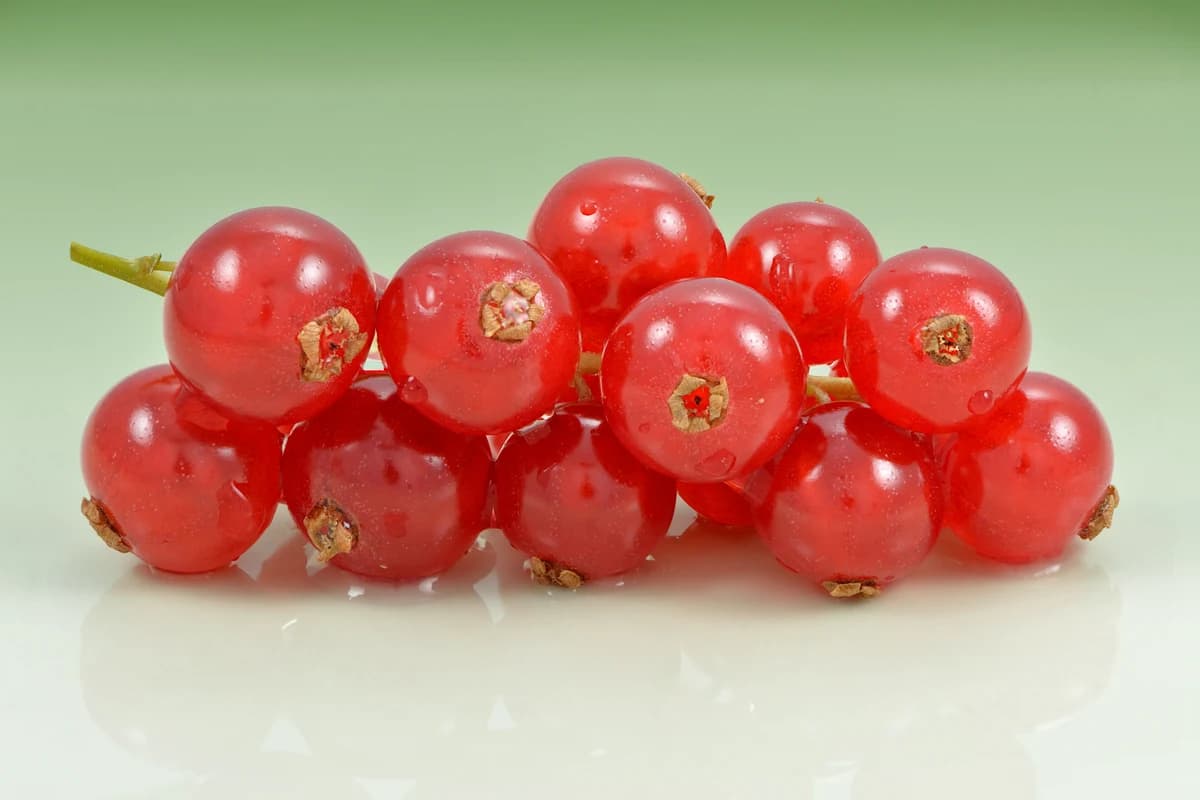
About This Plant
Currants are cool-climate perennial Ribes shrubs grown for tart red or aromatic black berries used fresh, frozen, juiced, dried, or preserved. Red currants crop on older spurs and black currants on young wood, so productive plants depend on cool sites, steady moisture, open pruning, disease-resistant cultivars, and annual renewal rather than high-fertility forcing.
How to Grow Currant (Red/Black)
Learn how to grow Currant (Red/Black) from seed to harvest in 730 days. Intermediate difficulty. Complete nutrient guide, pH/EC requirements, and growing conditions for soil & container.
Sources cited: 15.
Nutrient Requirements by Growth Stage
Use moderate, test-driven nutrition. Ribes-specific hydroponic NPK ppm targets were not found, so the previous high nitrogen values were not validated; blackcurrant field guidance commonly uses about 70-120 kg N/ha for modern cultivars, with P, K, and Mg adjusted by soil index…
Sign in to view nutrient requirements
A free account unlocks NPK targets for all four growth stages, micronutrient levels, a per-stage nutrient calculator, and the full nutrition guide. Signing up takes one click. Truleaf is a free, non-profit project, and every new account helps it grow. No spam, ever.
Growing Environments
Outdoor soil culture is the primary environment for currants, especially in cool temperate regions. Greenhouse or high-tunnel culture can work for red currant cordons and protected trials, but it requires careful heat control, airflow, pruning, and irrigation…
Temperature
Currants are cool-climate perennial shrubs, not warm-season annuals. Use about 17-25 C as the best-supported active-growth range for black currant, with controlled production centered near 20 C. Red currant sources also warn that temperatures above about 29 C can injure plants, scorch foliage, or reduce fruiting, especially when paired with intense sun. Dormant plants tolerate far colder winter conditions, but early bloom is vulnerable to frost, so avoid frost pockets and heat-collecting sites.
Humidity
No currant-specific relative-humidity target was found, so humidity should be managed through disease risk rather than a narrow number. A moderate indoor range around 45-65% is a practical target, but the important controls are dry foliage, open pruning, and air movement…
Light
Currants fruit best in full sun in cool climates, but they tolerate partial shade better than many fruit crops. In hot regions, red currants perform better with morning sun and afternoon shade because intense sun and heat can damage foliage and berries…
Airflow
Good airflow is a core Ribes requirement. Plantings should be spaced and pruned so leaves dry quickly after rain or irrigation, because stagnant humid canopies favor powdery mildew and anthracnose leaf spot…
Sign in to view environmental requirements
A free account unlocks exact temperature, humidity, light and airflow targets, including germination and growth ranges, DLI, photoperiod and PPFD, plus the full environment guide. Signing up takes one click. Truleaf is a free, non-profit project, and every new account helps it grow. No spam, ever.
Hydroponic System Compatibility
Currants fit soil, raised-bed, container, and substrate-drip systems better than water-culture hydroponics. Extension sources specifically support drip irrigation because currants have shallow fibrous roots and because drip keeps foliage dry, lowering disease pressure…
Growing Media
Use rich, moisture-retentive, well-drained media. Field sources favor fertile silt loam, sandy loam, or amended loam with organic matter and drainage, avoiding standing water and heavy clay unless raised beds or drainage improvements are used…
Container Specs
Currants can be grown in containers, but small pots dry too quickly for their shallow roots. Use at least a 45 cm wide container, preferably 45-50 cm or larger, with strong drainage and a stable material that will not overheat in sun…
Training & Support
Most currants do not need physical support if grown as open bushes, but they do need annual pruning. Red currants fruit strongly on two- and three-year wood and older spurs, so maintain a balanced open framework and remove weak, low, diseased, and old unproductive canes…
Sign in to view system compatibility
A free account unlocks why each of the six systems fits or fails, plus growing media, container sizes, training methods, companion plants, and the full systems guide. Signing up takes one click. Truleaf is a free, non-profit project, and every new account helps it grow. No spam, ever.
Propagation
Propagate named currants mainly from cuttings or layering. Hardwood cuttings from dormant one-year wood are the most reliable cultivar-true method; use 5-8 inch pieces with several buds in late fall, winter, or before spring budbreak, then bury part of the cutting in well-drained medium…
Harvesting
Harvest timing depends on species, cultivar, and use. Red currants color before they reach full flavor and can often remain on the plant after coloring to sweeten; pick whole clusters by pinching or cutting the strig so tender skins do not tear…
Planting Calendar
Plant dormant currants in late fall or very early spring. In cold climates, spring planting after soil is workable reduces winter injury risk; in milder climates, fall planting lets roots establish before growth starts…
Common Issues
The main verified Ribes problems are powdery mildew, anthracnose leaf spot, root-rot complexes, aphids, currant borer, currant fruit fly, and heat stress. Prevent the foliar diseases with resistant cultivars, open pruning, sanitation, drip irrigation, and fast canopy drying…
Get the full science-backed guide
By signing up, you help keep Truleaf free and support the growth of our nonprofit project. Your account unlocks full details for every plant issue—including symptoms, causes, step-by-step solutions, and prevention—plus the month-by-month planting calendar, the complete guide, and all research sources. It only takes one click. No spam, ever.