Brócoli de brotes morados: cultivo en Brasil
Aprenda a cultivar brócoli de brotes morados en Brasil: elija el cultivar adecuado, adapte la siembra al clima local y coseche brotes laterales sucesivos.
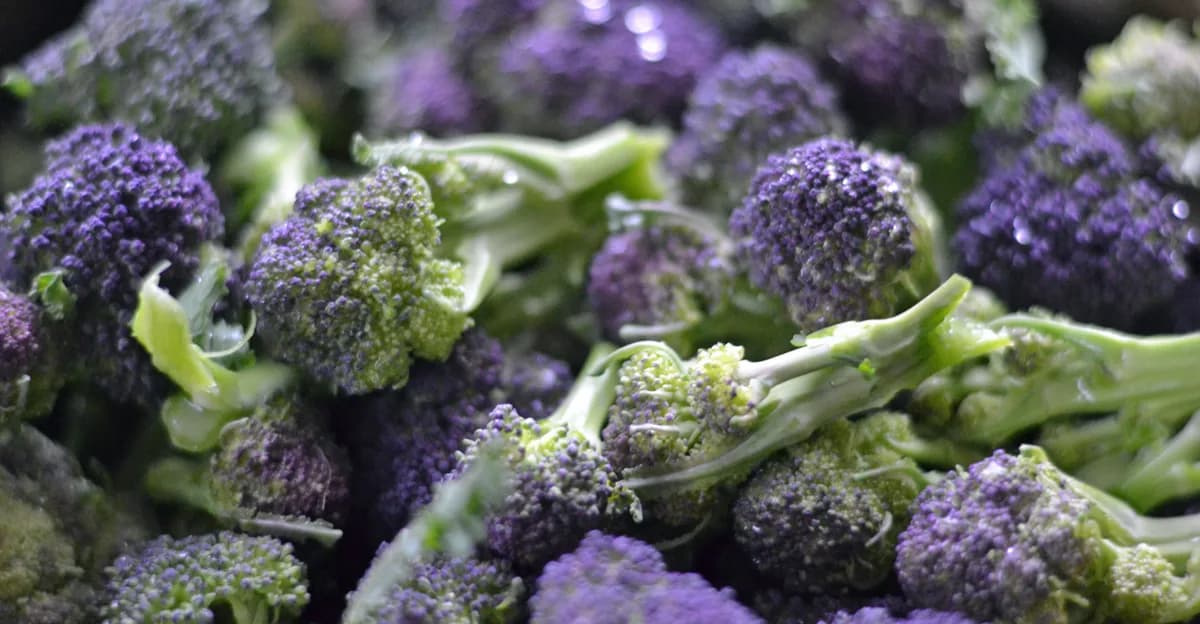
Punto clave: La mayoría de las variedades de brócoli de brotes morados producen un brote central seguido de brotes laterales. Muchos cultivares tradicionales necesitan un período de clima fresco antes de que comiencen a formar esos brotes. Para los productores de Brasil, el paquete de semillas y las condiciones locales son más importantes que un mes de siembra copiado de Europa o América del Norte.
Elija el cultivar primero. Luego, bríndele un lugar luminoso, suelo fértil y bien drenado, espacio generoso y humedad constante. Coseche el brote central mientras sus yemas florales estén firmes y cerradas; después, vuelva para cosechar los brotes laterales.
Esta es una guía general de cultivo. No prescribe una dosis universal de fertilizante, un volumen de riego ni una temperatura objetivo. La investigación muestra que el cultivar, el clima, el suelo y el sistema de producción cambian esas decisiones.
Para obtener un registro de planta compacto, abra el perfil de brócoli de brotes morados.
Brócoli de brotes morados de un vistazo
| Decisión de cultivo | Punto de partida respaldado por la evidencia |
|---|---|
| Identidad de la planta | Confirme que la semilla es de brócoli de brotes morados, no de otro brócoli vendido principalmente por su color morado. |
| Clima | Compruebe si el cultivar necesita frío antes de la formación de brotes. No copie un calendario del hemisferio norte. |
| Sitio | Utilice un sitio soleado o con sombra ligera, con suelo fértil y bien drenado y un pH cercano a 6 a 7. |
| Espaciado | Comience cerca de 60 cm entre plantas. Mantenga de 60 a 90 cm entre hileras, o dé a plantas muy grandes de 60 a 80 cm en ambas direcciones. |
| Agua | Mantenga la humedad del suelo bastante estable, especialmente a medida que se forman los brotes, sin dejar saturada la zona de las raíces. |
| Cosecha | Corte el brote central cuando las yemas florales estén firmes y cerradas. Vuelva con frecuencia para cosechar los brotes laterales. |
| Duración del cultivo | Espere varios meses. Los ejemplos publicados varían ampliamente, por lo que el cultivar y la temporada local deben establecer expectativas. |
Asegúrese de que “brócolis roxo” sea la planta adecuada
El nombre "brócoli morado" puede describir el color sin identificar un tipo de crecimiento. Esta guía trata sobre el brócoli de brotes morados, incluido en el Grupo Itálica de Brassica oleracea. La literatura científica también utiliza Brassica oleracea var. italica, que Kew trata como sinónimo de la especie.
Su patrón de cosecha es la distinción útil. La planta produce un brote central y luego varios brotes laterales. Ese hábito se asemeja a la categoría “brócolis ramoso” utilizada en el mercado brasileño, sin dejar de ser un cultivar o grupo de cultivares distinto. Una cabeza morada por sí sola no prueba que una planta sea brócoli de brotes morados.
Lea la descripción de la semilla antes de planificar la temporada. Busque el nombre del cultivar, su necesidad de frío declarada y la duración del cultivo esperada por el proveedor. Esos detalles son más útiles que elegir una planta solo por el color.
Elija la temporada según el cultivar y el clima local.
La temperatura y la genética trabajan juntas durante la formación de la cabeza del brócoli. En una investigación controlada, las líneas de brócoli sensibles y tolerantes al calor respondieron de manera diferente a la temperatura. En un estudio de campo separado, el efecto de la temporada de crecimiento también cambió con el genotipo, y un cultivar no logró formar cabezas en el período de prueba más cálido.
El brócoli de brotes morados agrega otra capa. Un estudio de dos genotipos encontró que ambos tenían un requerimiento de frío obligatorio, pero uno necesitaba un período de frío más largo. La diferencia apareció en repetidas pruebas de campo y en condiciones controladas. Un invierno más suave retrasó la formación de la cabeza en el genotipo con mayores necesidades de frío.
Esos hallazgos no producen una “temperatura ideal” para cada cultivar morado. Muestran por qué el nombre del cultivar y sus requisitos de frío deben aparecer antes de la fecha de siembra.
La orientación climática brasileña para el brócoli puede proporcionar una ventana de partida, pero no clasifica los cultivares individuales de brotes morados. La tabla de Epagri sitúa el brócoli de invierno de febrero a septiembre en el Sur, de febrero a julio en el Sudeste y de febrero a mayo en el Centro-Oeste. No recomienda el brócoli de invierno como categoría general para el Norte o Noreste.
Utilice esas ventanas como primera prueba, no como garantía. La temperatura local, la elevación y la propia descripción del cultivar pueden cambiar la ventana práctica. Si un proveedor documenta la adaptación al clima cálido para un cultivar determinado, siga esa guía de cultivo en lugar de asumir que todos los brócoli de brotes morados necesitan el mismo tratamiento.
Haga coincidir el cultivar con su ventana de cultivo
Utilice esta guía de decisiones antes de comprar más de una cantidad de prueba de semillas.
| Lo que sabe | Mejor siguiente paso | Límite de la evidencia |
|---|---|---|
| El proveedor dice que la variedad necesita frío invernal | Comience con la ventana de brócoli de invierno de su región brasileña y luego compárela con las temperaturas locales recientes. | Las fechas de Epagri cubren el brócoli de invierno en general, no cada cultivar de brotes morados. |
| El proveedor indica una necesidad de frío, pero no un calendario brasileño | Solicite información sobre experiencias regionales o realice dos siembras pequeñas separadas por dos o tres semanas. | Una prueba local puede orientar su próxima cosecha, pero no establece un calendario nacional. |
| El cultivar se describe como adaptado al calor | Siga la guía del cultivar indicado y registre si se forman brotes en sus condiciones. | La respuesta al calor difiere entre genotipos. La “adaptación al calor” no debería convertirse en una promesa en todos los climas. |
| El paquete solo dice “brócoli morado” | Confirme el tipo de cultivo y el cultivar antes de elegir la temporada. | El color no identifica el brócoli de brotes morados. |
| Cultiva en el norte o el nordeste | Evite recomendar un cultivar tradicional de invierno sin una adaptación documentada y un microclima local adecuado. | Epagri no recomienda el brócoli de invierno como categoría general para estas regiones. |
El objetivo es saber si un cultivar determinado alcanza la formación de brotes en su sitio. Registre la fecha de siembra, temperatura local, fecha del primer brote central y calidad de la cosecha. Mantenga cada cultivar por separado en sus notas porque el resultado de uno no determina el siguiente.
Prepare un lugar luminoso, fértil y bien drenado
El brócoli de brotes morados necesita espacio y una zona de raíces que pueda retener la humedad útil sin quedar anegado. Organic Seed Alliance recomienda suelos fértiles y bien drenados para el cultivo. La Royal Horticultural Society proporciona sol o sombra ligera y un pH del suelo de 6 a 7 como orientación práctica para el brócoli. La guía de riego de Embrapa explica que el exceso de agua puede reducir la aireación de la zona de las raíces y aumentar los riesgos de enfermedades y pérdida de nutrientes en las brassicas.
Prepare el lecho antes del trasplante para que la planta no tenga que competir con un drenaje deficiente o con hacinamiento más adelante. El conjunto de pruebas respalda la existencia de suelos fértiles, pero no respalda una dosis universal de NPK para un huerto familiar. Las dosis de campo de un suelo, clima y sistema de producción diferentes no deben convertirse en una dosis para una planta individual.
Los consejos sobre espaciamiento varían porque el tamaño de la planta varía. Organic Seed Alliance proporciona de 45 a 60 cm entre plantas y de 60 a 90 cm entre hileras. El RHS utiliza de 60 a 80 cm en ambas direcciones para el brócoli. Para un bancal, 60 cm entre plantas es un punto de partida práctico, con más espacio cuando el paquete describe un cultivar grande.
Cultive o compre plántulas sanas y trasplántelas con espacio
Las fuentes revisadas apoyan el trasplante de plantas jóvenes de brócoli, pero no establecen una profundidad de siembra universal, una temperatura de germinación o una edad de plántula para este grupo de cultivares. El RHS mueve las plantas jóvenes cuando miden entre 10 y 15 cm de altura. Un estudio de campo brasileño trasplantó brócoli con cuatro a seis hojas verdaderas, aunque estudió el brócoli ramificado en lugar del brócoli de brotes morados.
Utilice esas descripciones como comprobaciones de preparación en lugar de forzar un número fijo de días. Elija una plántula sana, colóquela en el espacio previsto para su tamaño maduro y guarde la etiqueta del cultivar con la planta. Si el paquete de semillas proporciona una etapa de trasplante diferente o un espaciamiento más amplio, siga el cultivar nombrado.
Realice una prueba local con dos fechas de siembra
Cuando falta experiencia local, Organic Seed Alliance recomienda probar dos fechas de siembra separadas por dos o tres semanas. Una versión a pequeña escala de ese método puede ayudarle a encontrar una ventana sin comprometer todo el bancal.
- Elija un cultivar con nombre. No mezcle cultivares en la misma comparación porque las respuestas al frío y al calor pueden diferir.
- Siembre un primer lote pequeño. Registre la fecha y la información del cultivar del paquete.
- Repita después de dos o tres semanas. Mantenga el sitio, el espaciamiento y el cuidado general tan similares como sea práctico.
- Realice un seguimiento del clima y las etapas de la planta. Tenga en cuenta el trasplante, el primer brote central, la calidad de la cosecha y cualquier falla en la formación de brotes.
- Compare dentro de límites estrechos. El mejor lote identifica una fecha más prometedora para ese cultivar en esa temporada. Repita la prueba antes de tratarlo como un patrón local estable.
Mantenga la humedad estable sin un calendario de riego fijo
El brócoli responde mal tanto a la escasez de agua como al suelo anegado. Embrapa identifica la formación de inflorescencias como una fase crítica: la escasez de agua puede reducir la forma, el tamaño y la compacidad de la cabeza, mientras que el exceso de agua puede reducir la aireación y aumentar otros problemas de producción. Epagri también incluye la disponibilidad de agua en su análisis de riesgo climático.
Un estudio de campo de dos años de duración sobre los brotes de brócoli encontró que una mayor reposición de agua aumentaba el rendimiento de los brotes centrales y laterales en sus tratamientos, mientras que un tratamiento intermedio producía la mayor eficiencia en el uso del agua. El resultado muestra una compensación entre el rendimiento máximo y la economía del agua en esas condiciones de prueba. No proporciona un volumen ni un programa de riego doméstico.
Verifique el suelo y el clima, luego riegue para mantener la humedad razonablemente estable. Aumente su atención a medida que comience a formarse el brote central. Deje de considerar un calendario como autoritario cuando cambian las precipitaciones, el calor, el secado de los contenedores o el drenaje del suelo.
Observe el calor y la respuesta de las plantas
La falta de formación de una cabeza o un retraso prolongado pueden reflejar un desajuste entre el cultivar, la temperatura y la estación. Esa posibilidad está respaldada por investigaciones controladas sobre el brócoli, comparaciones de campo, orientaciones climáticas brasileñas y el estudio de los requisitos de frío del brócoli de brotes morados.
Si a una planta sana le siguen saliendo hojas pero no comienza a producir brotes, consulte el registro del cultivar y el registro de temperaturas antes de agregar más fertilizante. La evidencia no respalda tratar cada planta retrasada como un problema de nutrientes.
Las fuentes disponibles no respaldan una afirmación universal de resistencia a las heladas, el calor, las plagas o las enfermedades del brócoli de brotes morados. Inspeccione las plantas con regularidad y utilice un diagnóstico local cuando aparezcan daños en lugar de asumir que el color púrpura o el nombre de un cultivar garantiza la resistencia.
Coseche el brote central y luego regrese para los brotes laterales.
Coseche cuando los botones florales estén firmes, compactos y aún cerrados. Un ensayo brasileño con brócoli ramificado utilizó yemas florales cerradas y compactas, sin alargamiento, como estándar de madurez. Las guías de cultivo del brócoli de brotes morados ofrecen el mismo límite práctico: cortar antes de que se abran las flores.
Cuando haya un brote central, córtelo primero. A su eliminación le sigue la cosecha de brotes laterales que define este tipo de cultivo. Revise la planta con suficiente frecuencia para recoger los brotes posteriores mientras sus yemas florales permanecen cerradas.
No prometa una fecha fija de cosecha. El ensayo brasileño registró un ciclo hortícola promedio de 134 días para el brócoli ramificado, mientras que el RHS describe de cuatro a 10 meses para el brócoli de brotes y el Organic Seed Alliance cubre cultivares que pasan por el invierno. Estas fuentes describen diferentes cultivos y condiciones, por lo que muestran la amplitud del ciclo posible en lugar de una cuenta regresiva para su planta.
Preguntas frecuentes
¿El brócoli de brotes morados es lo mismo que el brócoli morado común?
Ninguna etiqueta de solo color puede confirmar esa identidad. El brócoli de brotes morados se define aquí por su grupo de cultivares y su patrón de un brote central seguido de brotes laterales. Confirme el cultivar y la descripción del cultivo en el paquete de semillas.
¿Cuál es el mejor mes para plantar brócoli de brotes morados en Brasil?
No existe un mejor mes para todo Brasil ni para cada cultivar. Para el brócoli de invierno, Epagri enumera de febrero a septiembre en el sur, de febrero a julio en el sureste y de febrero a mayo en el centro-oeste. Trate esos períodos como ventanas de inicio y verifique el requerimiento de frío del cultivar antes de plantar.
¿El brócoli de brotes morados necesita clima frío?
Muchos cultivares tradicionales lo necesitan. La investigación sobre dos genotipos de brócoli de brotes morados encontró un requerimiento obligatorio de frío en ambos, y uno de ellos necesitaba un período más largo. El requisito varía según el cultivar, por lo que la información del proveedor de semillas es importante.
¿A qué distancia deben estar las plantas?
Comience cerca de 60 cm entre plantas. Las guías publicadas abarcan de 45 a 60 cm entre plantas y de 60 a 90 cm entre hileras, mientras que otra utiliza de 60 a 80 cm en ambas direcciones. Dele más espacio a un cultivar grande y siga el paquete cuando solicite un espacio más amplio.
¿Cómo sé cuándo cosechar?
Coseche el brote central mientras sus yemas florales estén firmes y cerradas, antes de que se abran las flores. Después, vuelva para recoger los brotes laterales en la misma etapa de yema cerrada.