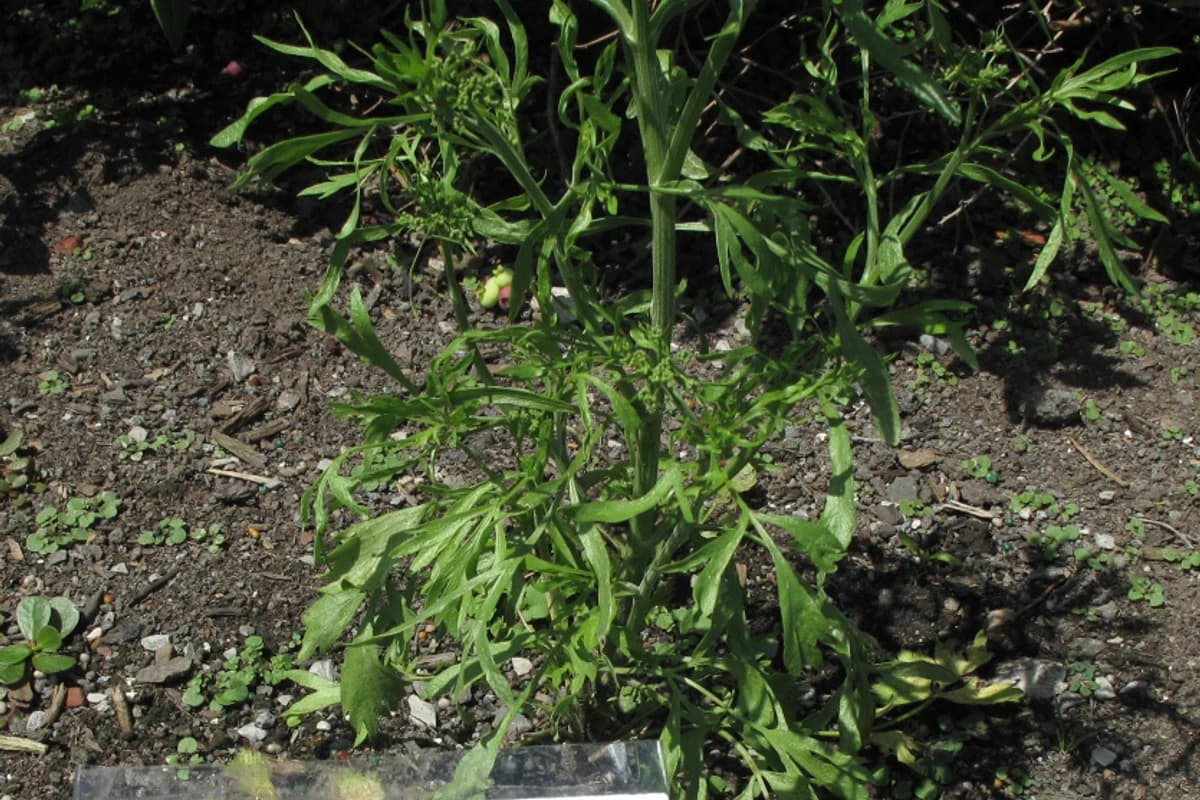
Sobre Esta Planta
O anis é uma erva anual da família da salsa, cultivada principalmente pelas suas sementes aromáticas, utilizadas como especiaria e para fins medicinais. Requer uma estação de crescimento longa e quente para produzir sementes maduras. A planta é relativamente fácil de cultivar, mas necessita de sol constante e condições de boa drenagem.
Como Cultivar Anis
Aprenda a cultivar Anis da semente à colheita em 130 dias. Dificuldade Intermediate. Guia completo de nutrientes, requisitos de pH/EC e condições de cultivo para solo e vaso.
Suportado por 23 citações revistas por pares.
Requisitos de Nutrientes por Fase de Crescimento
Iniciar sessão para ver requisitos de nutrientes
Uma conta gratuita desbloqueia as metas de NPK das quatro fases de crescimento, os níveis de micronutrientes, uma calculadora de nutrientes por fase e o guia de nutrição completo. Criar a conta leva apenas um clique. O Truleaf é um projeto gratuito e sem fins lucrativos, e cada nova conta ajuda-nos a crescer. Sem spam, nunca.
Ambientes de Cultivo
Iniciar sessão para ver requisitos ambientais
Uma conta gratuita desbloqueia os valores exactos de temperatura, humidade, luz e ventilação, incluindo intervalos de germinação e crescimento, DLI, fotoperíodo e PPFD, além do guia de ambiente completo. Criar a conta leva apenas um clique. O Truleaf é um projeto gratuito e sem fins lucrativos, e cada nova conta ajuda-nos a crescer. Sem spam, nunca.
Compatibilidade com Sistemas Hidropónicos
Iniciar sessão para ver compatibilidade de sistemas
Uma conta gratuita desbloqueia porque cada um dos seis sistemas funciona ou não, além de substratos, tamanhos de vaso, métodos de condução, plantas companheiras e o guia de sistemas completo. Criar a conta leva apenas um clique. O Truleaf é um projeto gratuito e sem fins lucrativos, e cada nova conta ajuda-nos a crescer. Sem spam, nunca.
Aceda ao guia completo baseado em ciência
Ao registar-se, ajuda a manter o Truleaf gratuito e apoia o crescimento do nosso projeto sem fins lucrativos. A sua conta desbloqueia todos os detalhes de cada problema das plantas—incluindo sintomas, causas, soluções passo a passo e prevenção—além do calendário de plantação mês a mês, do guia completo e de todas as fontes de investigação. Basta um clique. Sem spam, nunca.