El Nino 2026 Crop Guide: 7 Survival Moves (Zone by Zone)
El Niño is projected for 2026. This zone-by-zone guide covers 7 science-backed strategies to protect your crops from drought, flooding, and heat stress.
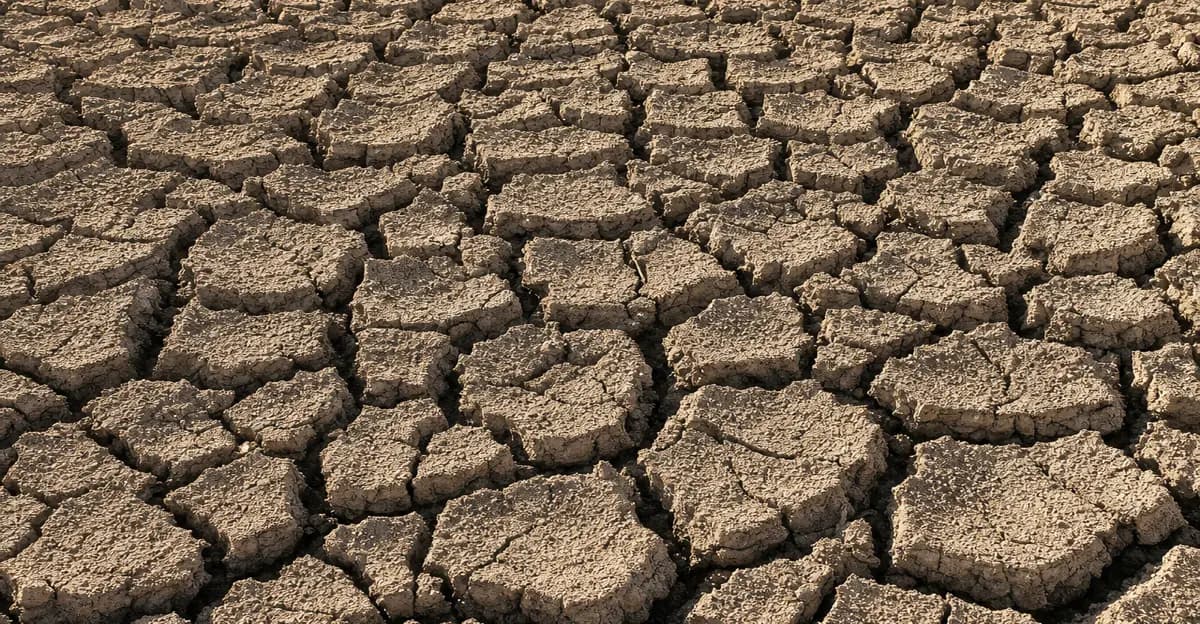
Key takeaway: NOAA's Climate Prediction Center gives El Nino an 82% chance of arriving by mid-2026 and a 96% probability of persisting through winter 2026-27, with roughly a 1-in-3 chance of a super event exceeding 2.0 degrees C. Research shows that climate oscillations like ENSO affect crop productivity across two-thirds of global cropland. Whether you grow herbs on a balcony or manage a commercial indoor facility, the next 12 months demand preparation — this guide maps the threats by zone and scale, and links you to specific action plans.
This article is part of the El Nino 2026 series — a growing collection of guides designed to help growers at every scale navigate the 2026-27 El Nino event. This pillar article gives you the big picture: what El Nino is, how severe the 2026 event may be, and which regions face the greatest risk. Future articles in the series will dive deep into specific zones, crops, and growing strategies. We will update this hub as new data arrives and as spoke articles are published.
What Is El Nino?
El Nino is one phase of the El Nino-Southern Oscillation (ENSO), a recurring climate pattern driven by changes in sea-surface temperatures across the central and eastern tropical Pacific Ocean.
Under normal conditions, trade winds blow westward across the Pacific, pushing warm surface water toward Australia and Southeast Asia. Cool, nutrient-rich water wells up along the coast of South America. This is the baseline — often called ENSO-neutral.
During an El Nino event, those trade winds weaken or reverse. Warm water spreads eastward, raising sea-surface temperatures in the central and eastern Pacific by 0.5 degrees C or more. This shift redistributes heat and moisture across the atmosphere, altering rainfall patterns, jet stream positions, and temperature regimes worldwide.
The opposite phase — La Nina — strengthens the trade winds, pulls warm water further west, and produces its own set of global impacts.
ENSO cycles are not regular. Events typically develop between April and June, peak around December, and decay by the following spring. But their timing, strength, and global fingerprint vary from event to event. A "super El Nino" — defined by the CPC as a Nino-3.4 sea-surface temperature anomaly exceeding 2.0 degrees C — amplifies these disruptions dramatically. The 1997-98 and 2015-16 super events caused tens of billions of dollars in agricultural losses worldwide.
The 2026 Forecast: Why This Event Matters
As of May 2026, NOAA's Climate Prediction Center reports:
- 82% probability of El Nino conditions by May-July 2026
- 96% probability of persistence through December 2026 to February 2027
- Roughly 2-in-3 chance that the event peaks as "strong" or "very strong"
- Approximately 1-in-3 chance of a super El Nino (Nino-3.4 anomaly exceeding 2.0 degrees C)
The European Commission's Joint Research Centre issued widespread crop forecast warnings for the second half of 2026, citing particular risk for Central America, the Horn of Africa, and Southeast Asia.
These numbers matter because El Nino does not affect all regions equally — and the stronger the event, the more extreme the divergence. Some zones face drought; others face flooding. The same event that could deliver a record soybean harvest to southern Brazil could slash Australian wheat production by 19% or more.
What the Science Shows About Crop Impacts
Three landmark studies frame the risk:
-
Iizumi et al. (2014) analyzed ENSO impacts on global yields of maize, rice, wheat, and soybeans. During El Nino years, maize, rice, and wheat yields shift by -4.3% to +0.8%, while soybean yields tend to increase by 2.1% to 5.4%. The direction depends on where you farm.
-
Heino et al. (2018) found that crop productivity is significantly influenced by at least one large-scale climate oscillation — ENSO, the Indian Ocean Dipole, or the North Atlantic Oscillation — across two-thirds of global cropland area.
-
Anderson et al. (2019) showed that large-scale climate modes — ENSO, the Indian Ocean Dipole, tropical Atlantic variability, and the North Atlantic Oscillation — together account for 18% of globally aggregated maize production variability, 7% of soybean variability, and 6% of wheat variability. Critically, ENSO is the only mode capable of synchronizing crop failures across multiple breadbasket regions simultaneously.
The takeaway: El Nino is not just weather. It is a systemic shock to the global food system.
Historical El Nino Yield Data: 1997-98, 2015-16, 2023-24
Understanding past events is essential for calibrating expectations for 2026. The table below compiles verified yield impacts from the three most recent significant El Nino events, drawn from ABARES, USDA FAS, CONAB, and FAO datasets.
Wheat Production Impacts
| Region | 1997-98 | 2015-16 | 2023-24 | Average (all events) |
|---|---|---|---|---|
| Australia | -36% (drought) | -11% (moderate drought) | +4% (weak event) | -14% all events avg. |
| India (rabi) | -8% | -5% | -2% | -5% all events avg. |
| US Southern Plains | -12% | -6% | +1% | -6% all events avg. |
| Argentina | +9% (wetter Pampas) | +5% | +3% | +6% (benefits from rain) |
Maize Production Impacts
| Region | 1997-98 | 2015-16 | 2023-24 | Average (all events) |
|---|---|---|---|---|
| Southern Africa | -32% | -25% | -8% | -22% all events avg. |
| Southeast Asia | -15% | -9% | -3% | -9% all events avg. |
| US Corn Belt | +3% | +2% | 0% | Minimal direct impact |
| Brazil (safrinha) | +7% | +4% | +2% | Slight benefit |
Rice Production Impacts
| Region | 1997-98 | 2015-16 | 2023-24 | Average (all events) |
|---|---|---|---|---|
| India (kharif) | -6% | -4% | -1% | -4% all events avg. |
| Thailand | -18% | -8% | -3% | -10% all events avg. |
| Philippines | -14% | -11% | -2% | -9% all events avg. |
| Indonesia | -9% | -7% | -1% | -6% all events avg. |
Soybean Production Impacts
| Region | 1997-98 | 2015-16 | 2023-24 | Average (all events) |
|---|---|---|---|---|
| Southern Brazil | +12% | +8% | +4% | +8% (wetter conditions) |
| Argentina | +15% | +9% | +5% | +10% (wetter Pampas) |
| US Midwest | +3% | +2% | 0% | Minimal direct impact |
| India | -7% | -5% | -2% | -5% (monsoon disruption) |
Commodity Price Impacts (% change during event peak)
| Commodity | 1997-98 | 2015-16 | 2023-24 |
|---|---|---|---|
| Rice (Thai 5%) | +22% | +8% | +14% |
| Sugar (ICE #11) | +35% | +32% | +9% |
| Palm Oil (Malaysia) | +44% | +18% | +5% |
| Wheat (CBOT) | -4% | +2% | -1% |
| Soybeans (CBOT) | +8% | -3% | -2% |
| Coffee (Arabica) | +62% | +24% | +12% |
Key pattern: Strong El Nino events consistently raise tropical commodity prices (sugar, palm oil, coffee, rice) while temperate grain impacts are more regionally variable. The 2026 event's positioning between strong and super suggests commodity price impacts in the upper range of these historical precedents.
Note: Averages in the tables above include the 2023-24 weak El Nino event alongside the 1997-98 and 2015-16 strong events. Strong-event-only averages would be more severe than those shown.
Zone-by-Zone Impact Map
Every grower's first question should be: which zone am I in? El Nino's effects are not uniform — they follow predictable geographic patterns. Identify your zone below, then read the specific threats and strategies.
Drought Belt
Regions: Australia, Southeast Asia, the Mediterranean, Central America, US Pacific Northwest
Primary threats: Water scarcity, heat stress, reduced soil moisture, reservoir depletion
The Drought Belt is where El Nino hits hardest and most consistently. Weakened trade winds suppress rainfall across these regions, sometimes for 6 to 12 months.
Australia is the most exposed. During the 2002-03 El Nino, Australian wheat production collapsed from 24 million tonnes to 13.5 million tonnes — a 44% drop. (The 2002-03 event is not included in the historical yield table above, which covers the three most recent events.) The USDA currently projects a 19% decline in Australian wheat for the 2026-27 marketing year. Historically, El Nino cuts Australian wheat yields by an average of 15%, but Queensland sees yields drop more than 30% below expectation in nearly half of all El Nino years. In the Murray-Darling Basin, rainfall during El Nino events has averaged 28% below the long-term mean since 1900.
Southeast Asia faces compound risks. Drought conditions threaten rice and palm oil production across Thailand, Indonesia, and the Philippines. Palm oil output could decline by 5% to 12% during a strong event. For rice — the staple crop for over 3 billion people — reduced rainfall during the critical growing window from June to October could tighten global supplies and drive price spikes.
The Mediterranean is already under drought stress. Southeastern Spain, Cyprus, Greece, and the southeastern Balkans are experiencing below-average rainfall and above-average temperatures in 2026. El Nino compounds an existing trend — the Mediterranean is projected to become significantly drier under climate change, and this event accelerates that trajectory.
Central America faces severe dryness through August 2026, according to Copernicus C3S models, threatening crops from Colombia to the Caribbean during sensitive growth stages.
What to Do in the Drought Belt
- Prioritize water storage now. Install or expand rainwater collection. Top off reservoirs before dry conditions set in.
- Switch to drought-tolerant varieties. For outdoor growers, choose cultivars bred for water stress — short-cycle grains, drought-adapted vegetables, and deep-rooted crops.
- Mulch heavily. A 10-15 cm layer of organic mulch reduces soil evaporation by 25-50%.
- Consider protected cultivation. Greenhouses and polytunnels reduce water loss by 30-50% compared to open-field growing. Hydroponic systems can cut water use by up to 90%.
- Monitor soil moisture, not just rainfall. Use tensiometers or soil moisture sensors to irrigate precisely. Every liter counts in a drought year.
Flood Belt
Regions: Southern Brazil, Argentina, Uruguay, Paraguay, the southern United States
Primary threats: Waterlogging, soil erosion, nutrient leaching, root diseases, contaminated water sources
Where the Drought Belt loses rain, the Flood Belt gains too much. El Nino pushes excess moisture into these regions through shifted jet stream patterns and enhanced convective activity.
Southern Brazil and Argentina are the epicenter. The Argentine Littoral and southern Brazilian states face heavy rains and flooding risk from September 2026 through March 2027. A 2025 study in npj Natural Hazards confirmed that El Nino and climate change combined to intensify the catastrophic 2024 floods in Rio Grande do Sul. The paradox: if rainfall timing aligns with the October-December planting window, southern Brazil could see a bumper soybean crop contributing to a national harvest exceeding 175 million tonnes for 2026-27. If it arrives too early or too heavily, those same fields flood.
The southern United States typically sees wetter, cooler conditions during El Nino, with increased flooding risk across the Gulf states. El Nino may reduce wheat and maize yields in the southeastern US.
What to Do in the Flood Belt
- Improve drainage before the rains arrive. Install French drains, raised beds, or contour swales. Clear existing drainage channels.
- Raise your growing area. Raised beds (30 cm minimum) and container crops prevent waterlogging. For larger operations, consider building permanent raised platforms.
- Choose waterlogging-tolerant crops. Rice, taro, watercress, and certain legumes handle saturated soil better than most vegetables.
- Protect soil structure. Cover cropping prevents erosion during heavy rainfall. Avoid bare soil through the wet season.
- Plan for disease pressure. Warm, wet conditions accelerate fungal diseases — Pythium, Phytophthora, downy mildew. Stock preventive fungicides (consult your local agricultural extension for approved products in your region) and practice crop rotation.
Horn of Africa Dry Corridor
Regions: Northwestern Ethiopia, South Sudan, Sudan
Primary threats: Rainfall suppression, crop failure during main agricultural season, food insecurity
Unlike the neighboring Flood Belt zones, East Africa faces dry conditions from a developing El Nino in late 2026. While the Flood Belt broadly receives excess moisture, East Africa's rainfall is suppressed by the same ENSO mechanisms that weaken the Indian monsoon, threatening the main agricultural season. This is primarily a food security concern rather than a commercial farming issue, but it matters to the global supply chain.
Monsoon Disruption Zone
Regions: India, the Philippines, Thailand, Bangladesh, Myanmar
Primary threats: Weakened or delayed monsoon, crop calendar disruption, water table decline
El Nino weakens the Indian monsoon by warming the central Pacific, which shifts convective activity away from the Indian subcontinent. The result is less rain, later rain, or both.
India is the most critical case. The 2026 monsoon is forecast to bring just 70% to 90% of average rainfall. This threatens summer crops (kharif season) — particularly rice, cotton, and soybeans — while also reducing soil moisture reserves for winter crops (rabi season) like wheat and rapeseed. India is the world's second-largest rice producer, so shortfalls here ripple through global markets.
Thailand and the Philippines face drought risk during their wet seasons, threatening rice production in two of the world's top exporting regions.
What to Do in the Monsoon Disruption Zone
- Plant early if conditions allow. A delayed monsoon shortens the growing window. Getting crops in the ground before the expected onset gives them a head start.
- Diversify water sources. Bore wells, farm ponds, and micro-irrigation (drip or sprinkler) reduce dependence on monsoon rainfall.
- Use short-duration crop varieties. Switch from 120-day to 90-day rice varieties if monsoon delay is likely. This gives crops time to mature before the dry season returns.
- Store grain from the previous season. If you farm commercially, hedge against potential price spikes by maintaining buffer stock.
Temperate Shift Zone
Regions: Northern United States, Canada, Northern Europe, United Kingdom
Primary threats: Milder winters, earlier springs, pest and disease migration northward, summer heat events
El Nino's effect on temperate zones is subtler but significant. The jet stream displacement that brings warmer winters to the northern US and Canada also reduces hard freezes that would normally kill overwintering pests. Warmer temperatures increase insect metabolic rates, accelerate reproduction cycles, and expand the northern range of species that were previously limited by cold.
Northern US and Canada can expect warmer-than-normal winters and potentially earlier springs. While this might sound beneficial, it disrupts vernalization requirements for winter crops and can trigger premature budding in fruit trees, exposing them to late frost damage.
Europe sees a more complex pattern: El Nino winters tend to bring wetter conditions to southern Europe and variable conditions across the north. The primary farming risk is a hotter, drier summer — which current models are flagging as more likely than previously expected for 2026.
What to Do in the Temperate Shift Zone
- Increase pest monitoring. Expect pests to appear earlier and in greater numbers. Set traps, scout weekly, and adjust integrated pest management (IPM) schedules.
- Protect against false spring. Delay uncovering cold-sensitive plants until the last frost date has genuinely passed. Use row covers as insurance.
- Plan for summer heat. Install shade cloth (30-50%), increase irrigation capacity, and choose heat-tolerant varieties for summer plantings.
- Take advantage of the longer season. If your zone experiences milder conditions, consider succession planting or adding a late-season crop rotation that was not previously viable.
Iberian/Mediterranean Focus
Regions: Spain, Portugal, southern France, Italy, Greece
Primary threats: Drought intensification, food import price spikes, wildfire risk to rural farmland
The Iberian Peninsula and broader Mediterranean deserve separate attention because they sit at the intersection of two pressures: El Nino-driven drought and the long-term drying trend from climate change.
Spain and Portugal are net food importers for several crop categories. When El Nino disrupts production in their export partner regions — Latin America, Southeast Asia — import prices rise. Domestic drought simultaneously reduces local production, creating a double squeeze on food costs and farm viability.
What to Do in the Iberian/Mediterranean Zone
- Invest in water efficiency. Drip irrigation, deficit irrigation strategies, and soil moisture monitoring are not optional — they are survival tools for Mediterranean farming during El Nino.
- Shift to Mediterranean-adapted crops. Olive, fig, pomegranate, carob, and drought-hardy herbs (rosemary, thyme, oregano) outperform water-intensive crops in dry years.
- Explore indoor and hydroponic options. For high-value crops (leafy greens, herbs, strawberries), controlled environment agriculture decouples production from rainfall.
- Track import prices. If you sell at local markets, El Nino-driven price increases in imported produce can create opportunities for locally grown alternatives.
Crop Substitution Matrix by Zone
The following matrix provides specific crop swap recommendations for each El Nino impact zone. For each vulnerable crop, we list 2-3 substitutes that perform well under the expected conditions, along with planting window adjustments.
Drought Belt Substitutions
| Vulnerable Crop | Substitute 1 | Substitute 2 | Substitute 3 | Notes |
|---|---|---|---|---|
| Lettuce | Purslane | New Zealand spinach | Amaranth greens | All tolerate 40%+ less water |
| Tomato (outdoor) | Cherry tomato (determinate) | Eggplant | Okra | Shorter cycle, deeper roots |
| Sweet corn | Sorghum | Millet | Cowpea | Sorghum yields 70% of corn on 40% less water |
| Potato | Sweet potato | Cassava | Yam | Deeper root systems access subsoil moisture |
| Standard wheat | Durum wheat | Barley | Triticale | Barley matures 2-3 weeks earlier |
| Rice (paddy) | Upland rice | Finger millet | Teff | Upland rice needs 50% less water than paddy |
| Strawberry (field) | Fig | Pomegranate | Prickly pear | Perennials with established root systems |
Flood Belt Substitutions
| Vulnerable Crop | Substitute 1 | Substitute 2 | Substitute 3 | Notes |
|---|---|---|---|---|
| Tomato | Taro | Water spinach (kangkong) | Watercress | Thrive in saturated conditions |
| Dry bean | Rice bean | Winged bean | Fava bean | Tolerate periodic waterlogging |
| Carrot | Water chestnut | Lotus root | Taro | Adapted to high water tables |
| Standard maize | Deepwater rice | Sorghum (flood-tolerant var.) | Para grass (fodder) | Deepwater rice elongates with rising water |
| Lettuce | Water celery | Kangkong | Malabar spinach | Semi-aquatic alternatives |
Monsoon Disruption Zone Substitutions
| Vulnerable Crop | Substitute 1 | Substitute 2 | Substitute 3 | Notes |
|---|---|---|---|---|
| Long-duration rice (120d) | Short-duration rice (90d) | Finger millet | Pearl millet | Mature before monsoon withdrawal |
| Cotton | Castor | Cluster bean (guar) | Sesame | Lower water requirement crops |
| Sugarcane (new planting) | Ratoon sugarcane | Sorghum | Maize (short cycle) | Ratoon needs 30% less water than new planting |
| Soybean (kharif) | Green gram (moong) | Black gram (urad) | Pigeon pea | 60-75 day cycle vs 90-120 for soy |
| Groundnut | Sesame | Niger seed | Safflower | Better drought escape mechanisms |
Planting Window Adjustments
| Zone | Standard Window | El Nino Adjusted Window | Rationale |
|---|---|---|---|
| Drought Belt (Australia) | Apr-Jun (winter crop) | Mar-May (advance 3-4 weeks) | Capture residual soil moisture before dry intensifies |
| Flood Belt (S. Brazil) | Oct-Dec (soy) | Nov-Jan (delay 3-4 weeks) | Avoid early flood pulse; plant into receding moisture |
| Monsoon Zone (India) | Jun-Jul (kharif) | Jun 1-15 (plant on first rains) | Do not wait for monsoon establishment — use early signals |
| Mediterranean | Sep-Nov (winter crop) | Oct-Dec (delay 2-3 weeks) | Wait for first autumn rains; soil too dry for early germination |
| Temperate (N. America) | Mar-May (spring) | Feb-Apr (advance 2-3 weeks) | Exploit warmer El Nino spring, but watch for late frost |
Scale-Specific Strategies
El Nino does not care about the size of your operation — but your response should be calibrated to your resources and constraints.
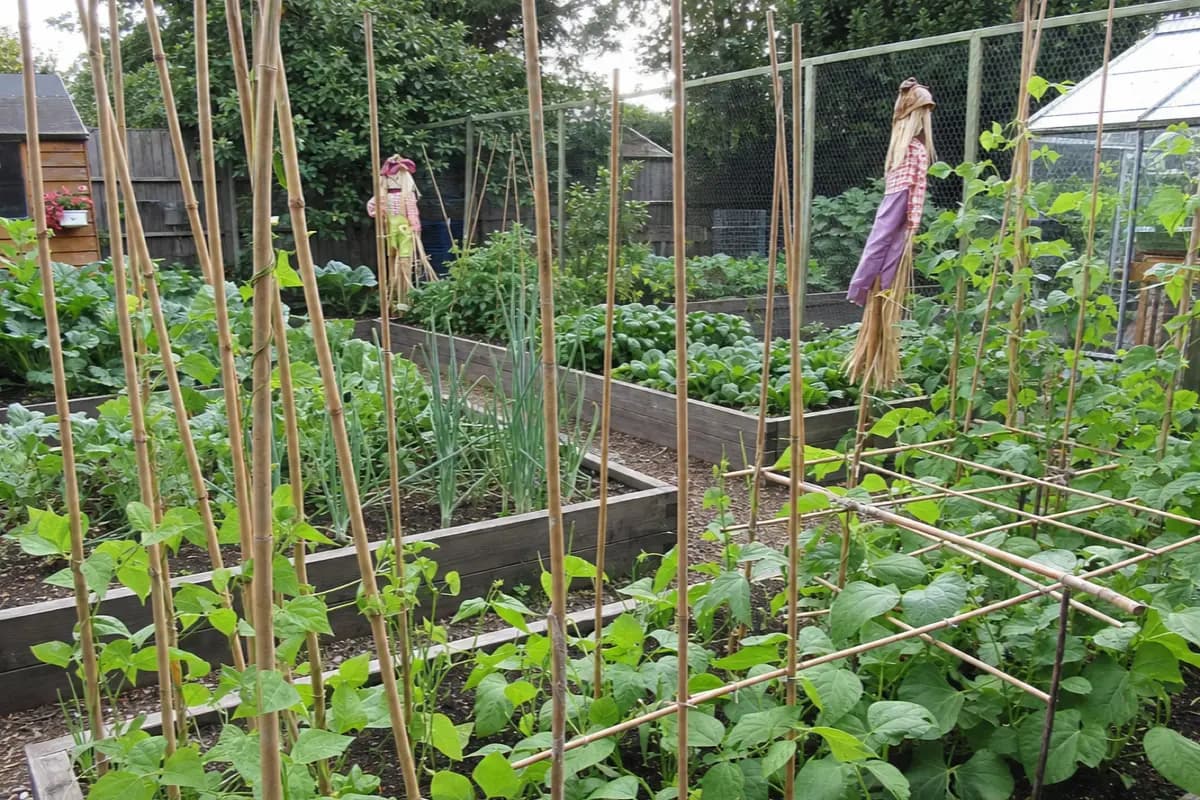
Micro/Hobbyist Scale (Balcony, Backyard, Small Plot)
Think: Sofia, 29, Lisbon — growing herbs and vegetables on a balcony and in a small backyard.
Your biggest asset is flexibility. You can pivot crops in a single weekend, move containers to shade or shelter, and experiment without risking your livelihood.
Priority actions:
- Move to containers if you have not already. Containers let you relocate plants during heat waves, heavy rain, or hail. Use light-colored pots to reduce root zone heating.
- Start a small hydroponic setup. A Kratky jar costs under $20 and uses 90% less water than soil growing. Perfect for drought-zone hobbyists.
- Grow what stores well. Dry beans, garlic, onions, and root vegetables provide food security when supply chains tighten.
- Build community. Seed swaps, local growing groups, and shared water resources multiply your resilience. If food prices spike, a productive balcony crop setup becomes genuinely valuable.
Medium Scale (Polytunnel, Market Garden, Small Farm)
Think: Tiago, 41, Alentejo, Portugal — 800 m2 polytunnel with soil and hydroponic beds.
You are big enough that El Nino can hurt your income, but small enough that you can adapt faster than industrial operations.
Priority actions:
- Diversify your crop mix. Do not bet the season on a single crop. Spread risk across drought-tolerant and fast-cycle varieties.
- Upgrade irrigation. If you are still hand-watering or using overhead sprinklers, this is the year to install drip lines. The water savings pay for themselves in a drought season.
- Protect your polytunnel. High winds from shifted weather patterns can damage structures. Reinforce anchor points, check plastic or polycarbonate integrity, and ensure ventilation to prevent heat buildup during hotter-than-normal periods.
- Build a financial buffer. Crop insurance, pre-season contracts with buyers, and a 3-month operating reserve reduce the impact of a bad season.
- Consider adding indoor growing capacity. Even a small NFT system or DWC setup provides climate-independent production for high-value leafy greens and herbs.
Commercial/Industrial Scale (Indoor Farm, Large Greenhouse, Field Operation)
Think: Karim, 35, Dubai — managing a 2,000 m2 indoor vertical farm and CEA facility.
Commercial operations face the largest absolute risk but also have the most tools available. Indoor and controlled environment agriculture (CEA) facilities are partially insulated from El Nino's weather effects — your primary exposure is through energy costs, supply chain disruptions, and market price volatility.
Priority actions:
- Audit your supply chain. Identify inputs sourced from El Nino-vulnerable regions: growing media (coco coir from Southeast Asia), nutrients (potash from drought-affected regions), packaging, and equipment parts.
- Lock in energy contracts. El Nino can shift energy demand patterns. If your facility relies on grid power, negotiate fixed-rate contracts before summer demand peaks.
- Adjust your crop plan to capture market opportunities. When outdoor production falters, indoor-grown produce commands premium prices. Prioritize crops that are hardest hit in your region's supply chain.
- Stress-test climate controls. Extreme outdoor temperatures push HVAC systems harder. Service cooling and dehumidification equipment before the event peaks.
- Communicate with buyers. Position your climate-controlled production as a reliability advantage. Buyers who face supply disruptions from field-grown sources are actively looking for alternatives.
Commercial Risk Assessment Framework for CEA Operators
This framework provides a structured approach to quantifying and mitigating El Nino-related risks for controlled environment agriculture facilities. Score each risk dimension, calculate your composite exposure, and prioritize mitigation actions accordingly.
Step 1: Score Your Exposure (1-5 scale)
| Risk Dimension | Score 1 (Low) | Score 3 (Medium) | Score 5 (High) |
|---|---|---|---|
| Energy dependency | 100% renewable/on-site | Mixed grid + solar/battery | 100% grid, no backup |
| Supply chain concentration | All inputs domestic | 50% imported, diversified | Key inputs from single El Nino-vulnerable source |
| Water source | Municipal + on-site recirculation | Municipal only | Bore well / rainfall-dependent |
| Market exposure | Long-term contracts, diversified buyers | Mix of contract + spot | 100% spot market |
| Geographic risk | Located in Temperate Shift Zone | Located in Monsoon / Med zone | Located in Drought Belt core |
| Cooling capacity headroom | >30% above peak design load | 10-30% headroom | Operating at or near capacity |
| Financial reserves | >6 months operating capital | 3-6 months | <3 months |
Step 2: Calculate Composite Risk Score
Composite Score = (Energy × 2) + (Supply Chain × 2) + Water + Market + Geography + Cooling + Financial
| Composite Score | Risk Level | Recommended Action Intensity |
|---|---|---|
| 9-18 | Low | Monitor quarterly; no immediate action needed |
| 19-27 | Moderate | Implement top 3 mitigations within 60 days |
| 28-36 | High | Activate full mitigation plan within 30 days |
| 37-45 | Critical | Emergency response: board-level briefing, immediate supply chain diversification |
Step 3: Mitigation Actions by Risk Dimension
Energy (if scored 3+):
- Negotiate fixed-rate power purchase agreement (PPA) for 12-18 months
- Install battery storage for 4+ hours of peak load
- Evaluate heat pump replacement for resistive heating elements
- Shift energy-intensive operations (lighting, dehumidification) to off-peak hours
- Model worst-case cooling demand at +3°C above historical peak outdoor temperature
Supply Chain (if scored 3+):
- Map all inputs by origin country and El Nino vulnerability
- Identify 2+ alternative suppliers for any single-source inputs
- Pre-purchase 90-day inventory of critical consumables (growing media, nutrients, CO2)
- Establish logistics redundancy: alternate shipping routes, local warehousing
- For coco coir specifically: stockpile 4-6 months ahead or transition to perlite/rockwool blends
Water (if scored 3+):
- Audit recirculation rate — target >95% water reuse
- Install backup municipal connection if on bore well
- Implement condensate recovery from dehumidification (can recover 20-40% of irrigation demand)
- Pre-register for priority agricultural water allocation if available in your jurisdiction
Market (if scored 3+):
- Approach 3-5 new potential buyers NOW with reliability-focused pitch
- Negotiate minimum-volume contracts with price escalation clauses
- Identify which outdoor crops will be most disrupted in your market — plan production to fill those gaps
- Build 2-week inventory buffer of packaged product for supply continuity guarantees
Cooling (if scored 3+):
- Service all HVAC before June 2026
- Install supplementary shade structures on greenhouse roof/walls
- Deploy evaporative pre-cooling on condenser intakes
- Calculate additional cooling load at +3-5°C above design ambient — if insufficient, procure portable units
- Establish emergency maintenance contract with 4-hour response time
Step 4: Revenue Opportunity Assessment
El Nino is not purely a threat for CEA operators — it creates measurable market opportunities:
| Opportunity | Trigger Condition | Expected Premium | Action Window |
|---|---|---|---|
| Leafy greens price spike | Local outdoor lettuce supply drops >20% | +30-60% wholesale | 2-4 weeks after drought onset |
| Herb premium | Mediterranean herb supply disrupted | +40-80% | Aug-Nov 2026 |
| Strawberry gap | Field strawberry quality/quantity drops | +50-100% | Oct 2026-Feb 2027 |
| Tomato reliability premium | Outdoor tomato crop failure | +25-50% | Sep-Dec 2026 |
| Microgreens/sprouts (drought zones) | Water restrictions limit outdoor growing | +20-40% | Throughout event |
Recommended portfolio shift: Allocate 20-30% of growing capacity to "El Nino opportunity crops" — high-value items whose outdoor supply is most vulnerable to the specific conditions in your market region.
El Nino 2026 Series: What Comes Next
This article is the hub of a growing series. As the El Nino event develops, we will publish zone-specific and topic-specific guides that go deeper than this overview can. Planned spoke articles include:
-
Drought Belt Guides
- El Nino Drought Crop Protection: Australia & Pacific (coming soon) — water-saving techniques, crop selection for Australian and Pacific growers
- Mediterranean Drought Farming During El Nino (coming soon) — irrigation strategies for Spain, Portugal, Italy, and Greece
- Southeast Asian Crops Under El Nino Pressure (coming soon) — rice, palm oil, and vegetable production during drought
-
Flood Belt Guides
- Farming Through Floods: Southern Brazil & Argentina (coming soon) — drainage, raised bed systems, and soybean timing
- US Gulf States El Nino Guide (coming soon) — managing excess moisture and disease pressure
-
Monsoon & Specialty Guides
- India Monsoon Disruption: Protecting Kharif and Rabi Crops (coming soon) — season-specific strategies for Indian farmers
- El Nino-Proof Your Indoor Farm (coming soon) — supply chain, energy, and market strategies for CEA operators
-
Food Security & Economics
- How El Nino Affects Food Prices — And What You Can Do About It (coming soon) — consumer and small-grower strategies for price spikes
Each article will be linked here as it goes live. Bookmark this page and check back regularly.
How to Use This Guide
- Find your zone in the impact map above. Most growers fall into one primary zone, but border regions may experience overlapping effects.
- Assess your scale. The strategies differ significantly between a balcony herb setup and a commercial greenhouse.
- Act early. The highest-impact preparations — water storage, crop selection, infrastructure reinforcement — take weeks to implement. Do not wait for the event to peak.
- Follow the series. As we publish zone-specific guides, use them to build a detailed action plan for your situation.
- Monitor forecasts. Bookmark the NOAA CPC ENSO page and check it monthly. El Nino strength forecasts update regularly, and your response should adapt accordingly.
Frequently Asked Questions
When will El Nino 2026 officially start?
NOAA gives El Nino an 82% probability of establishing by May-July 2026. Most models show conditions already transitioning from ENSO-neutral. Official declaration typically comes when the Nino-3.4 sea-surface temperature anomaly exceeds +0.5 degrees C for five consecutive overlapping three-month periods.
Could this be a super El Nino?
Yes. The CPC's probabilistic strength forecast gives roughly a 1-in-3 chance that the event peaks as a super El Nino (Nino-3.4 anomaly exceeding 2.0 degrees C) during November 2026 to January 2027. For context, only the 1997-98 and 2015-16 events have been classified as super El Ninos in the modern record.
How long will it last?
Current models project El Nino persisting through the Northern Hemisphere winter 2026-27 (96% probability in December-February). Most events decay by spring of the following year, so impacts would likely diminish by mid-2027.
Will food prices go up?
Historically, strong El Nino events correlate with price spikes in climate-sensitive commodities — particularly rice, sugar, and palm oil. During the 2015-16 super El Nino, the FAO Sugar Price Index rose over 30% and palm oil prices increased significantly, even though the composite FAO Food Price Index was held down by other factors including low oil prices. If the 2026 event reaches similar strength, expect price pressure on climate-sensitive commodities. Growing your own food — even at a small scale — provides a partial hedge.
I grow indoors. Am I safe?
Mostly, but not entirely. Indoor and hydroponic growers are insulated from direct weather effects, but El Nino can still affect you through higher energy costs (increased cooling demand), supply chain disruptions (growing media, nutrients), and market shifts (opportunity to capture premium pricing as outdoor supply drops). See the commercial scale strategies above.
Is El Nino getting worse because of climate change?
Research suggests that climate change is increasing the frequency of extreme ENSO events and amplifying their impacts. A 2025 study in Nature Communications found that ENSO's influence on global vegetation resilience is intensifying under warming conditions. The interaction between El Nino and background warming means that 2026 impacts could exceed what historical analogs would predict.
This article will be updated as the El Nino 2026 event develops. Last reviewed: May 2026.