pH & EC Chart for 40+ Hydroponic Crops — No More Guessing
Stop guessing your hydroponic pH and EC. Science-backed ranges for 40+ crops, stage-by-stage calibration, and a troubleshooting guide when levels drift.
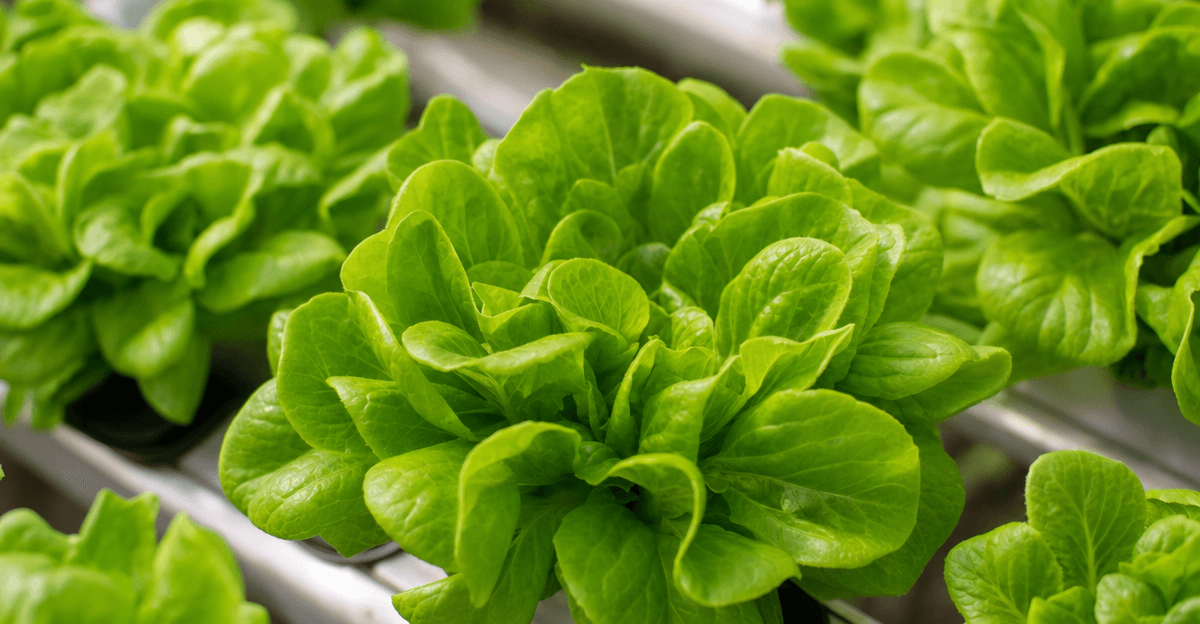
Key takeaway: pH and EC are the two numbers that control whether your plants can actually use the nutrients you give them. Keep pH between 5.5 and 6.5 and EC within your crop's target range, and most nutrient problems disappear. Ignore them, and no amount of premium fertilizer will help — nutrients precipitate out of solution, lock out at the roots, or accumulate to toxic levels. An EC meter and a pH pen are not optional equipment. They are the foundation of every successful hydroponic system.
Why pH Matters More Than You Think
pH measures how acidic or alkaline your nutrient solution is, on a scale from 0 (strongly acidic) to 14 (strongly alkaline). Pure water sits at 7.0 — neutral. Hydroponic nutrient solutions need to be slightly acidic, generally between 5.5 and 6.5, because that is where the chemistry of nutrient availability works best.
Here is why this matters: your nutrient concentrate can contain perfect ratios of nitrogen, phosphorus, potassium, calcium, iron, and every other element your plant needs. But if the pH is wrong, those nutrients change their chemical form. They react with each other, form insoluble compounds, and drop out of solution as solid particles your roots cannot absorb. The nutrients are physically present in your reservoir but chemically unavailable to your plant.
This is called nutrient lockout, and it is the single most common cause of deficiency symptoms in hydroponic systems that appear to be well-fed.
The Nutrient Availability Window
Each nutrient has a pH range where it stays dissolved and plant-available. The sweet spot between pH 5.5 and 6.5 is where all essential nutrients overlap in their availability — it is the only range where everything is accessible simultaneously.
Here is what happens to specific nutrients as pH moves out of range:
| Nutrient | Begins Declining | Severe Lockout | What Happens |
|---|---|---|---|
| Iron (Fe) | Above 6.0 | Above 6.5 | Forms insoluble iron hydroxide; chelates break down |
| Phosphorus (P) | Above 6.5 | Above 7.0 | Reacts with calcium to form calcium phosphate — irreversible |
| Calcium (Ca) | Above 6.5 (via P) | Above 7.5 | Co-precipitates with phosphorus |
| Manganese (Mn) | Above 6.5 | Above 7.0 | Precipitates as manganese hydroxide |
| Zinc (Zn) | Above 6.5 | Above 7.0 | Hydroxide precipitation; displaced by excess calcium |
| Molybdenum (Mo) | Below 5.0 | Below 4.5 | Opposite pattern — needs higher pH |
The iron problem deserves special attention. Iron is often the first nutrient to lock out because it precipitates at relatively low pH values. The type of iron chelate in your nutrient formula determines exactly when this happens:
- Fe-EDTA — stable up to pH 6.0. Degrades rapidly above 6.5.
- Fe-DTPA — stable up to pH 7.0. The best choice for most hydroponic systems.
- Fe-EDDHA — stable up to pH 9.0. Use this if your system chronically runs above 6.5.
Penn State Extension confirms that high pH is the most common cause of iron deficiency in hydroponic crops — not insufficient iron in the formula.
What Happens When pH Is Too Low
Most growers worry about high pH, but low pH causes problems too. Below pH 5.0, several things go wrong:
- Molybdenum becomes unavailable. Plants need molybdenum for nitrogen metabolism.
- Calcium and magnesium uptake drops. Both are less available in strongly acidic solutions.
- Root damage. Very low pH (below 4.5) can directly damage root cell membranes.
- Aluminum and heavy metal toxicity. These elements become excessively soluble in strongly acidic conditions, reaching toxic concentrations.
The takeaway: pH 5.5–6.5 is not arbitrary. It is the narrow band where plant biochemistry, nutrient solubility, and root health all function simultaneously.
A Note About pH Charts
Most "nutrient availability vs. pH" charts you see online are based on soil research from the 1930s and 1940s — primarily Truog's work from 1946. These charts show nutrient availability in soil, where availability is governed by adsorption to clay and organic particles.
Hydroponic solutions work differently. Availability is governed by solubility products — the point at which dissolved ions form insoluble precipitates. The general principle (maintain pH 5.5–6.5) holds, but the specific thresholds differ from soil charts. The table above reflects hydroponic solution chemistry, not soil chemistry.
The Calcium-Phosphorus Precipitation Problem
This deserves its own section because it is the most damaging and least understood pH-related problem in hydroponics.
When pH rises above 6.0–6.2, calcium ions (Ca²⁺) begin reacting with phosphate ions (PO₄³⁻) to form calcium phosphate — the same mineral that makes up bone and teeth. This compound is essentially insoluble once it forms.
The critical detail: this reaction is irreversible. Once calcium phosphate precipitates, it will not re-dissolve when you lower the pH. It settles as a white or off-white residue on reservoir walls, pump intakes, and drip emitters. Every time this happens, you permanently lose both calcium and phosphorus from your solution.
Signs of calcium-phosphorus precipitation:
- White, chalky residue inside reservoir and tubing
- Clogged drip emitters or spray nozzles
- Calcium and phosphorus deficiency symptoms despite adequate feeding
- Solution turns slightly cloudy after pH adjustment
Prevention is the only remedy. Keep pH below 6.5, and if you need to adjust pH upward, do it very slowly and in small increments to avoid localized pH spikes that trigger precipitation even when the bulk solution is in range.
EC: Measuring What Your Plants Are Eating
Electrical conductivity (EC) measures the total concentration of dissolved salts in your nutrient solution, expressed in milliSiemens per centimeter (mS/cm) or deciSiemens per meter (dS/m) — these units are equivalent. Some meters display TDS (total dissolved solids) in parts per million (ppm) instead, using a conversion factor (typically 0.5 or 0.7 × EC in µS/cm).
EC does not tell you which nutrients are present or in what ratio. It tells you the total salt concentration. Think of it as a fuel gauge that shows how full the tank is, but not whether it contains the right fuel.
Why it matters: plant roots respond to total salt concentration through osmosis. If EC is too high, water flows out of root cells instead of in — this is nutrient burn. If EC is too low, plants cannot get enough nutrition to support growth.
EC by Growth Stage
Plants need different nutrient concentrations at different life stages. Seedlings have small, delicate root systems that cannot handle high salt loads. Fruiting plants in peak production need maximum nutrition.
| Growth Stage | EC (mS/cm) | Why |
|---|---|---|
| Seedling / Clone | 0.4–1.0 | Young roots are highly sensitive; many growers start with plain pH-balanced water |
| Early Vegetative | 1.0–1.5 | Gradual increase as root mass develops |
| Full Vegetative | 1.5–2.0 | Active growth demands more nutrition |
| Flowering / Early Fruit | 1.8–2.5 | Shift to higher potassium; support fruit development |
| Peak Fruiting | 2.5–3.5 | Maximum demand; heavy feeders like tomato tolerate the upper range |
| Late Fruiting / Ripening | 1.5–2.0 | Slight reduction improves fruit quality and sugar content (Brix) |
The 0.2 rule: never increase EC by more than 0.2 mS/cm per adjustment. Sudden spikes trigger acute osmotic stress — the same mechanism as nutrient burn but compressed into hours.
Signore et al. (2023) found that sub-irrigated tomatoes produced maximum early-season yield (5,105 g per plant) at EC 2.0 dS/m. However, by the end of the growing season, plants at EC 2.0 actually had the lowest cumulative yield — surpassed by 37% by plants at EC 1.4 dS/m. Higher EC improved fruit quality (more sugar, more lycopene) but reduced total yield over the full season — a deliberate tradeoff some growers make, and one that depends on how long the crop cycle runs.
Optimal pH and EC Ranges by Crop
Different crops have different preferences. Leafy greens tolerate lower EC and broader pH ranges. Fruiting crops demand more nutrition and tighter pH control. This table combines data from the Oklahoma State University Extension (HLA-6722), UF IFAS, Cornell CEA, and Purdue Extension.
| Crop | Optimal pH | Optimal EC (mS/cm) | Notes |
|---|---|---|---|
| Lettuce | 5.5–6.5 | 0.8–1.2 | Cornell recommends 5.8 optimal |
| Tomato | 5.5–6.3 | 1.5–3.0 | EC increases with fruit load |
| Cucumber | 5.5–6.0 | 1.7–2.5 | Sensitive to high EC |
| Bell Pepper | 6.0–6.5 | 2.0–3.0 | Moderate salt tolerance |
| Hot Pepper | 5.0–6.5 | 3.0–3.5 | Tolerates higher EC than bell |
| Strawberry | 5.8–6.2 | 1.3–2.2 | Salt-sensitive; watch EC closely |
| Basil | 5.5–6.0 | 1.0–1.6 | Low EC for best flavor |
| Mint | 5.5–6.0 | 2.0–2.4 | Tolerates higher EC than most herbs |
| Cilantro | 5.8–6.4 | 1.2–1.8 | Bolts faster at high EC |
| Kale | 5.5–6.5 | 1.2–1.5 | Wortman (2015) found 76% yield loss at wrong pH/EC |
| Spinach | 6.0–7.0 | 1.8–2.3 | Widest pH tolerance |
| Swiss Chard | 6.0–7.0 | 1.8–2.3 | Similar to spinach |
| Bok Choy | 6.0–7.0 | 1.5–2.5 | Optimal at 1.8–2.4 (Ding et al., 2018) |
| Arugula | 6.0–7.5 | 0.8–1.2 | Very tolerant of higher pH |
| Microgreens | 5.5–6.5 | 0.8–1.2 | Short crop cycle; minimal EC needed |
| Watercress | 6.5–6.8 | 0.4–1.8 | Prefers slightly alkaline |
| Chives | 6.0–6.5 | 1.8–2.4 | Moderate feeder |
| Parsley | 5.5–6.0 | 0.8–1.8 | Low EC preference |
| Rosemary | 5.5–6.0 | 1.0–1.6 | Mediterranean herbs prefer lean feeding |
| Dill | 5.5–6.4 | 1.0–1.6 | Similar to other Mediterranean herbs |
Pattern to notice: leafy greens (lettuce, arugula, microgreens) cluster around EC 0.8–1.5 mS/cm. Fruiting crops (tomato, pepper, eggplant) cluster around 2.0–3.5 mS/cm. Herbs split — Mediterranean herbs (basil, rosemary) prefer lean feeding at 1.0–1.6 mS/cm, while vigorous herbs (mint, chives) tolerate 1.8–2.4 mS/cm.
How to Measure pH and EC
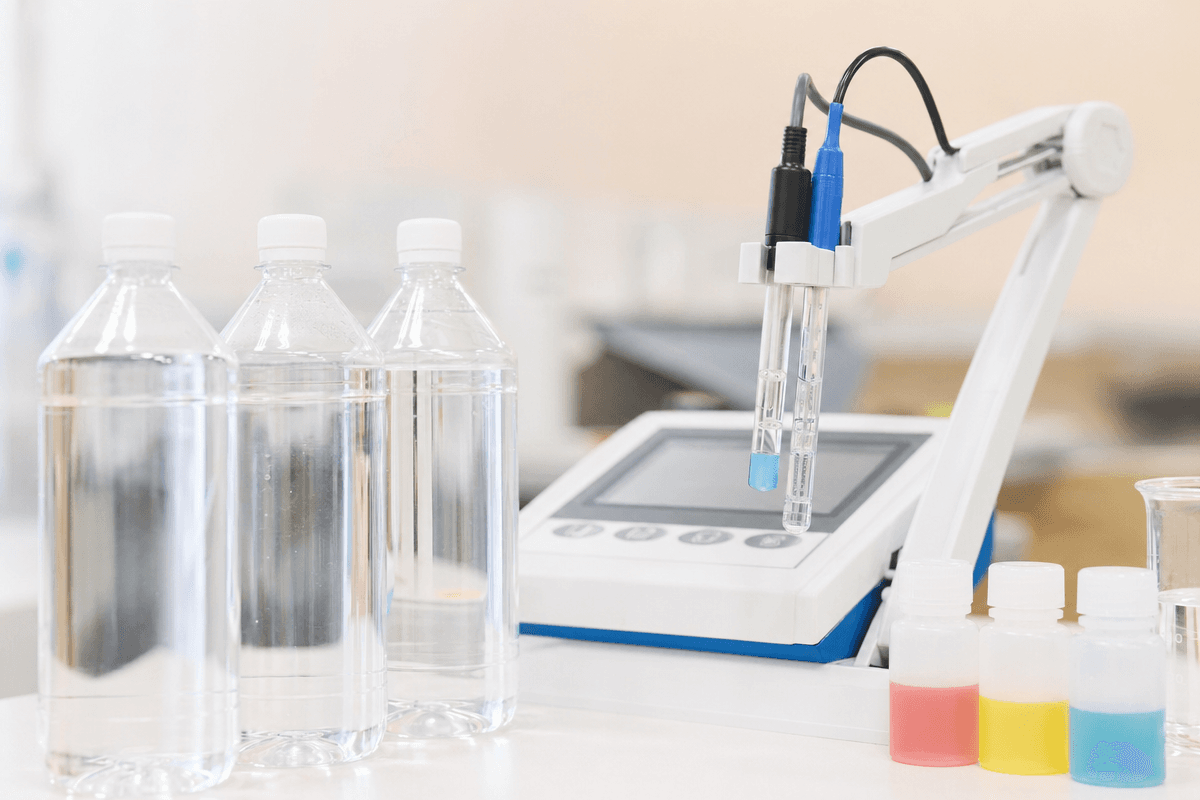
pH Measurement Options
| Equipment | Price (USD) | Accuracy | Best For |
|---|---|---|---|
| Liquid test kit (drops) | $8–15 | ±0.2 pH units | Beginners; backup method |
| pH test strips | $5–10 | ±0.5 pH units | Quick checks only |
| Budget digital pH pen | $15–30 | ±0.1 pH units | Casual growers; monthly calibration |
| Mid-range pH pen (Apera PH20) | $50–72 | ±0.01 pH units | Serious hobbyists; weekly calibration |
| Professional combo meter (Bluelab) | $250–330 | ±0.01 pH units | Daily use; measures pH, EC, and temperature |
Recommendation: a mid-range pH pen ($50–72) is the minimum for reliable results. Budget pens drift quickly and give false confidence. Liquid test kits work well as a backup — they cannot go out of calibration.
Calibration Matters
A pH meter is only as accurate as its last calibration. Missouri Extension recommends calibrating weekly using two buffer solutions:
- pH 4.01 buffer — acidic reference point
- pH 7.01 buffer — neutral reference point
These two points bracket the hydroponic measurement range (5.5–6.5). Always calibrate at both points. Single-point calibration leaves room for slope error.
Buffer solutions cost $8–15 per bottle. They are shelf-stable for approximately two years unopened. Once opened, use promptly — CO₂ absorption from air shifts their pH over time.
EC Meters
EC meters are simpler than pH meters — they measure electrical resistance, which is less prone to drift. A basic EC pen ($20–40) is adequate for most growers. The Bluelab combo meter measures pH, EC, and temperature in one device, which eliminates the need for separate instruments.
Temperature compensation matters. EC readings change with temperature (approximately 2% per degree Celsius). Always use a meter with automatic temperature compensation (ATC), or measure at a consistent temperature. The standard reference temperature is 25°C (77°F).
When to Measure
- Check pH daily in recirculating systems (DWC, NFT, ebb and flow)
- Check EC daily — a rising EC means plants are drinking water faster than nutrients (dilute the solution); a falling EC means plants are consuming nutrients faster than water (top up with nutrients)
- Check after every nutrient addition or water top-up
- Check runoff pH and EC in drain-to-waste systems — this tells you what is happening at the root zone, which matters more than what goes in
How to Adjust pH
Lowering pH (pH Down)
Phosphoric acid is the industry standard for lowering pH in hydroponics. Commercial "pH Down" products are typically 10–30% phosphoric acid solutions.
- Start with 1–2 mL per gallon (0.25–0.5 mL per liter)
- Add to the reservoir with the pump running
- Wait 15–30 minutes for mixing before re-measuring
- Always add acid to water, never water to acid — this prevents dangerous splashing from the exothermic reaction
Phosphoric acid has a secondary benefit: it contributes phosphorus to the solution. The downside is that chronic overuse can push phosphorus levels too high, which ironically increases the risk of calcium-phosphorus precipitation.
Sulfuric acid is an alternative that does not add phosphorus. Sulfate ions are nutritionally neutral. Use food-grade only.
Nitric acid contributes beneficial nitrate but is heavily regulated and more dangerous to handle.
Raising pH (pH Up)
Potassium hydroxide (KOH) is the standard for raising pH. Commercial "pH Up" products are usually KOH-based.
- Start with 0.5–1 mL per gallon (0.1–0.25 mL per liter)
- KOH is extremely concentrated — it takes very little to move pH significantly
- The potassium it contributes is a beneficial macronutrient
Potassium bicarbonate is a gentler alternative for small adjustments. It adds potassium without the caustic risk of concentrated KOH.
Avoid sodium-based pH adjusters (sodium hydroxide, sodium bicarbonate). Sodium is not a plant nutrient and accumulates in recirculating systems. Keep sodium below 50 ppm.
What About Organic Alternatives?
Citric acid drops pH quickly when you add it, but it does not last. Root-zone microorganisms metabolize citrate as a carbon source, producing CO₂ and bicarbonate — which raises pH right back up. You end up chasing pH in circles. The same applies to acetic acid (vinegar).
UF IFAS makes one exception: for simple Kratky-method lettuce systems that are non-recirculating, 2 teaspoons of white vinegar per gallon can set the initial pH. This works because the solution is not reused and microbial populations in the reservoir are minimal.
For recirculating systems, stick with mineral acids. They do not decompose.
How Much to Add
There is no universal dosing chart because every nutrient solution has different buffering capacity — the resistance to pH change. A heavily buffered solution (high alkalinity source water) requires more acid to move pH than a weakly buffered solution (reverse osmosis water).
The process:
- Add a small measured amount (start with 1 mL per gallon)
- Mix thoroughly with pump running for 15 minutes
- Measure pH
- Record how much you added and how far pH moved
- Repeat if needed
After a few adjustments, you will know your system's response rate. Write it down. A 40-gallon DWC reservoir with tap water might need 4 mL of pH Down to move from 6.8 to 6.0. The same reservoir with RO water might need only 1 mL.
pH Drift: Why Your pH Keeps Changing
pH drift is not a malfunction — it is a normal consequence of plant roots interacting with the nutrient solution. Understanding why it happens is the key to managing it instead of constantly fighting it.
The Charge Balance Mechanism
When roots absorb nutrients, they must maintain electrical neutrality. Every ion absorbed requires releasing another ion of the same charge:
- Nitrate uptake (NO₃⁻): roots release hydroxide (OH⁻) or bicarbonate (HCO₃⁻) → pH rises
- Ammonium uptake (NH₄⁺): roots release hydrogen ions (H⁺) → pH drops
Most hydroponic formulas are nitrate-dominant — 80–95% of nitrogen comes as nitrate. This means the net ion exchange pushes pH upward. This is why the universal complaint in hydroponics is "my pH keeps going up." For a full diagnostic of the four real causes and the fixes that actually last, see Hydroponic pH Keeps Rising? The 4 Real Causes and the Fixes.
Drift Rates by System Type
| System | Typical Drift | Direction | Why |
|---|---|---|---|
| DWC (Deep Water Culture) | 0.2–0.3 units/day | Usually upward | Maximum root-solution contact |
| NFT (Nutrient Film Technique) | 0.1–0.3 units/day | Usually upward | Thin film allows rapid gas exchange |
| Ebb and Flow | 0.1–0.2 units/day | Variable | Growing media provides some buffering |
| Drip (recirculating) | 0.1–0.2 units/day | Usually upward | Drift depends on media type |
| Kratky (passive) | Slower; over days | Usually upward | Non-recirculating; less root disturbance |
Reservoir size matters. A 5-gallon bucket drifts faster than a 50-gallon reservoir because there is less solution to buffer the pH change from the same amount of root activity. Larger reservoirs are inherently more stable.
The Ammonium-Nitrate Ratio: A Better Solution Than Constant Adjustment
Instead of manually correcting pH drift several times per day, you can reduce drift at the source by adjusting the ratio of ammonium to nitrate nitrogen in your formula.
Li et al. (2021), published in Frontiers in Plant Science, tested this directly on flowering Chinese cabbage. Their results:
| NH₄⁺:NO₃⁻ Ratio | pH Behavior | Yield Effect |
|---|---|---|
| 0:100 (all nitrate) | Drifted to ~pH 8.0 | Baseline (control) |
| 10:90 | Drifted to ~pH 8.0 | 1.26× yield vs. control |
| 25:75 | Self-stabilized at pH 5.8 | 1.54× yield vs. all-nitrate control (54% increase); best overall |
| 50:50 | Crashed to pH 3.6 | Reduced yield; ammonium toxicity and rhizosphere acidification |
Note: Li et al. tested only four ratios (0:100 through 50:50). At 50:50, pH already crashed to 3.6, demonstrating that even moderate ammonium excess is dangerous — pure ammonium (100:0) should never be used.
The 25:75 ratio works because the H⁺ released from ammonium uptake approximately equals the OH⁻ released from nitrate uptake, creating a self-buffering system. The nutrient solution pH stabilizes near 5.8 without intervention.
Practical application: standard hydroponic formulas contain 5–10% ammonium. If you are constantly fighting upward pH drift, look for formulas with 15–25% ammonium, or add a small amount of ammonium sulfate. Adding 0.05 g/L ammonium sulfate increases NH₄⁺ concentration by approximately 10 ppm.
Caution with temperature: ammonium becomes more toxic to roots in warm conditions because dissolved oxygen decreases. At solution temperatures above 24°C (75°F), keep ammonium ratios conservative (below 15%).
A 2024 study published in Scientia Horticulturae demonstrated that real-time manipulation of the ammonium-to-nitrate ratio can simultaneously control both pH and EC — pointing toward fully automated systems that eliminate manual pH adjustment entirely.
The Relationship Between pH and EC
pH and EC interact in ways that trip up even experienced growers. Understanding this relationship prevents chasing one number while accidentally wrecking the other.
How EC Affects pH
- Rising EC tends to lower pH slightly, because concentrated salt solutions are inherently more acidic.
- Falling EC (from water absorption exceeding nutrient uptake) tends to raise pH, because the solution becomes more dilute and less buffered.
- Adding concentrated nutrients drops pH temporarily because most nutrient concentrates are acidic.
- Adding plain water to top up usually raises pH because most water sources have alkalinity above 7.0.
How pH Affects EC
- Adding pH Down (acid) slightly increases EC because you are adding dissolved ions.
- Adding pH Up (base) also slightly increases EC for the same reason.
- If you are making large pH adjustments, you are also meaningfully shifting EC — measure both after every adjustment.
The Practical Workflow
- Top up volume first — add water to replace what plants consumed
- Adjust EC second — add nutrients to reach target concentration
- Adjust pH last — pH should be the final adjustment because nutrients and water both affect it
If you adjust pH first and then add nutrients, you will need to adjust pH again. Do it in this order every time and you only adjust pH once.
Troubleshooting pH and EC Problems
pH Won't Stay Stable
Likely causes:
- Source water alkalinity too high. Hard water contains carbonates and bicarbonates that buffer pH upward. Solution: switch to reverse osmosis (RO) water or a blend of RO and tap.
- Reservoir too small. Less solution volume means faster drift. Aim for at least 5 gallons (19 liters) per plant in DWC systems.
- All-nitrate formula. The charge-balance mechanism pushes pH up constantly. Switch to a formula with 10–15% ammonium nitrogen.
- CO₂ off-gassing. Freshly mixed solution releases dissolved CO₂ over 12–24 hours, causing pH to rise. Mix your solution and let it sit before adjusting pH.
pH Crashes Downward
Likely causes:
- Excess ammonium. If your formula has too much ammonium nitrogen (above 25%), H⁺ release from root uptake crashes pH. This is especially dangerous because low pH increases ammonium toxicity, creating a downward spiral.
- Organic matter decomposition. Dead roots, algae, or organic media (uncomposted coco coir) release organic acids.
- Bacterial activity. Nitrifying bacteria convert ammonium to nitrate, releasing H⁺. Beneficial in small amounts but can crash pH if ammonium is high.
Emergency response: add potassium bicarbonate (not KOH — it is too aggressive for a crash recovery) in small increments. Target a gentle rise of 0.3–0.5 pH units per hour. Rapid pH swings shock roots.
Nutrient Lockout
You are feeding correctly, EC is on target, but plants show deficiency symptoms. The most likely cause is pH outside the 5.5–6.5 range.
Diagnosis:
- Interveinal chlorosis (yellowing between veins on new growth) → iron lockout → pH probably above 6.5
- Purple stems and dark leaves → phosphorus lockout → check for calcium-phosphorus precipitation; pH probably above 7.0
- Leaf tip curl and browning → calcium deficiency → could be pH too high or too low; also check EC
- Stunted new growth → multiple micronutrient lockout → pH probably well above 6.5
Fix: correct pH first. Do not add more nutrients — if the problem is lockout, adding more nutrients raises EC and compounds the stress. In severe cases, drain the reservoir, mix a fresh solution at correct pH and moderate EC (reduce by 25%), and let the plant recover over 3–5 days.
EC Keeps Rising
Plants are drinking water but leaving nutrients behind. This means:
- Solution is too concentrated for your crop's current stage. Dilute with plain pH-balanced water.
- Environmental conditions (high temperature, low humidity, high light) are driving transpiration faster than nutrient uptake. The plant needs water more than food.
- Root health problems. Damaged roots absorb water passively but cannot actively transport nutrients. Check for brown, slimy roots (root rot).
EC Keeps Dropping
Plants are consuming nutrients faster than water. This is normal during peak vegetative growth or heavy fruiting. Top up with full-strength nutrient solution — if you add plain water, you dilute the formula's ratio.
System-Specific pH and EC Tips
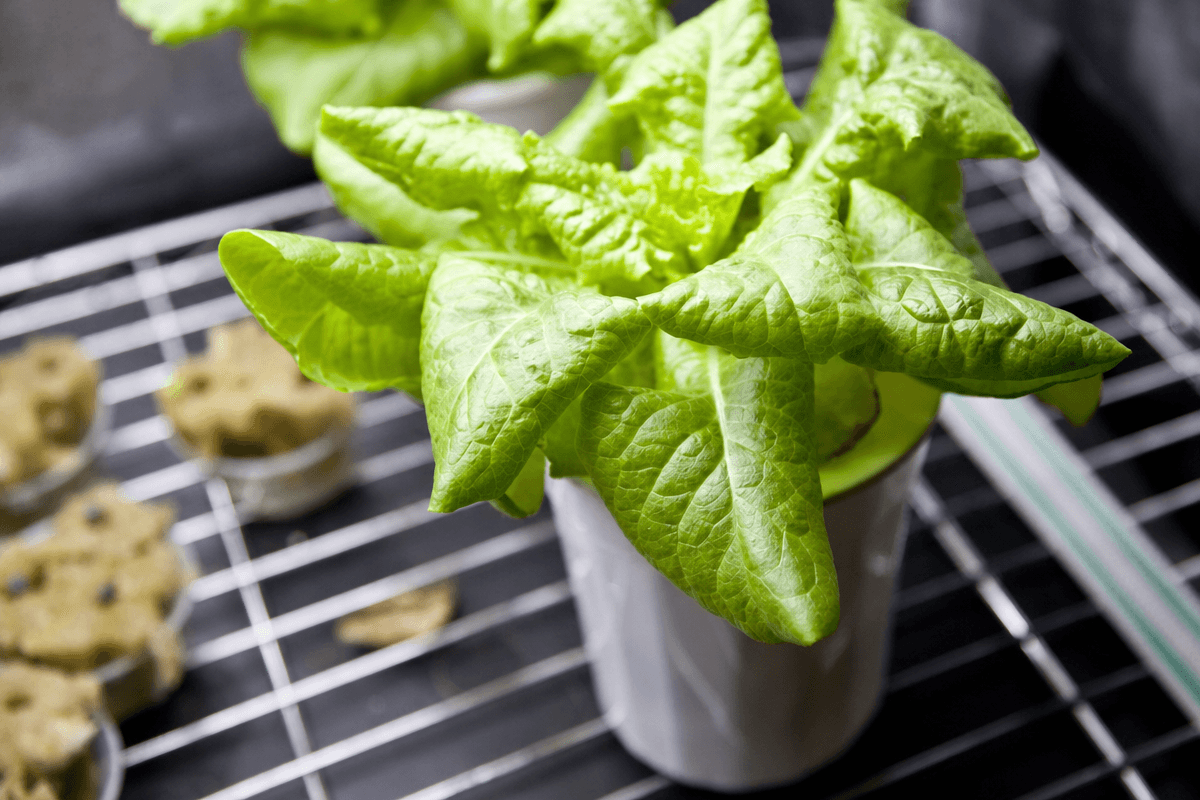
Deep Water Culture (DWC)
DWC has the fastest pH drift because roots sit in the solution 24/7, maximizing ion exchange. Check pH daily. Use larger reservoirs (minimum 20 liters / 5 gallons per plant) for stability. Maintain dissolved oxygen with an air pump — low oxygen increases ammonium toxicity and accelerates root rot, both of which crash pH.
NFT (Nutrient Film Technique)
The thin film of solution in NFT channels has minimal buffering capacity. Temperature swings cause larger pH shifts because the solution volume is tiny relative to root mass. Check pH twice daily in warm climates. Reservoir size is critical — it is the only buffer.
Ebb and Flow
Monitor drain pH and EC, not just reservoir pH and EC. The growing media (rockwool, clay pebbles, perlite) interacts with the solution during each flood cycle. Drain pH tells you what is actually happening at the root zone. Wortman (2015) found that kale yield dropped 76% in ebb-and-flow systems with suboptimal pH and EC — making this the system type with the most documented sensitivity to pH/EC management.
Drip Systems
Different growing media have different pH effects:
- Rockwool starts alkaline (pH 7.0–8.0). Pre-soak in pH 5.5 solution for 24 hours before use.
- Coco coir is near neutral but can buffer pH upward if not properly washed and buffered with calcium-magnesium. Use buffered, washed coco.
- Clay pebbles (LECA) are pH-neutral after proper rinsing. Minimal pH interaction.
- Perlite is nearly inert. Very little pH effect.
Prevention: Building a Stable System
The best pH and EC management is the kind you do not have to think about. Here is how to build stability into your system from the start:
-
Start with clean water. Know your source water's pH, EC, and alkalinity. If alkalinity exceeds 150 ppm CaCO₃, consider an RO filter. High-alkalinity water fights every pH adjustment you make.
-
Use the right reservoir size. Bigger is more stable. At minimum, maintain 5 gallons (19 liters) per plant in DWC. For NFT, use the largest reservoir your space allows.
-
Match your formula to your crop stage. Do not use flowering nutrients on seedlings. Do not use seedling nutrients on fruiting plants. This is the simplest way to keep EC appropriate.
-
Change the reservoir regularly. Full reservoir changes every 7–14 days prevent nutrient ratio drift. As plants selectively absorb certain elements, ratios become unbalanced even if overall EC looks fine.
-
Calibrate your meters. A miscalibrated pH pen is worse than no pH pen — it gives you false confidence. Weekly two-point calibration takes two minutes.
-
Keep a log. Record date, pH, EC, temperature, and what you added. After two weeks, you will see patterns — and patterns let you anticipate problems instead of reacting to them.
Putting It Together: The Daily Routine
Here is a practical daily workflow for managing pH and EC in a recirculating hydroponic system:
- Measure temperature, pH, and EC. Write the numbers down.
- Compare to yesterday. Note the direction of change.
- Top up water to the fill line using pH-adjusted water.
- Re-measure EC. If below target, add nutrients. If above, the top-up dilution should help. If still high, add more plain water.
- Re-measure pH. If outside 5.5–6.5, adjust with pH Down or pH Up in small increments.
- Wait 15 minutes. Let the pump circulate the solution.
- Final check. pH and EC should now be in range.
Total time: 5–10 minutes. That is the real investment. Every other minute you spend troubleshooting nutrient deficiencies, diagnosing leaf symptoms, or replacing dead plants is time that consistent pH and EC monitoring would have saved.
Key Takeaways
- The target: pH 5.5–6.5, EC matched to your crop and growth stage.
- The science: outside this pH range, nutrients form insoluble compounds your roots cannot absorb. This is nutrient lockout, and no amount of extra fertilizer fixes it.
- The biggest risk: calcium-phosphorus precipitation above pH 6.2. It is irreversible — those nutrients are gone.
- pH drift is normal. It is caused by the charge-balance mechanism during nitrate uptake. Manage it with reservoir size, ammonium-to-nitrate ratio, and daily monitoring.
- Adjust in this order: water first, nutrients second, pH last.
- Invest in tools. A mid-range pH pen ($50–72) and a basic EC meter ($20–40) are the most cost-effective equipment in your entire system.
- Keep a log. Five minutes of daily monitoring prevents hours of troubleshooting later.
Kudirka et al. (2023) showed that even minor pH fluctuations within the 5.5–6.5 range affected lettuce growth — adding a 3 mM MES buffer to stabilize pH increased yield by 17%, and lettuce grown at pH 5.0–5.5 had 30–36% smaller leaf area than plants at pH 5.5–6.5. pH management is not about avoiding disaster. It is about optimizing every harvest.